
Migraines affect daily life in ways that go far beyond a typical headache. From missed workdays to disrupted sleep and reduced focus, people often search for reliable medical support that fits their routine and symptoms. With telehealth becoming more common, patients now face a choice between online care and traditional office visits when seeking migraine treatment. Understanding how each option works can help determine which approach offers the best fit.
Understanding Virtual Migraine Care
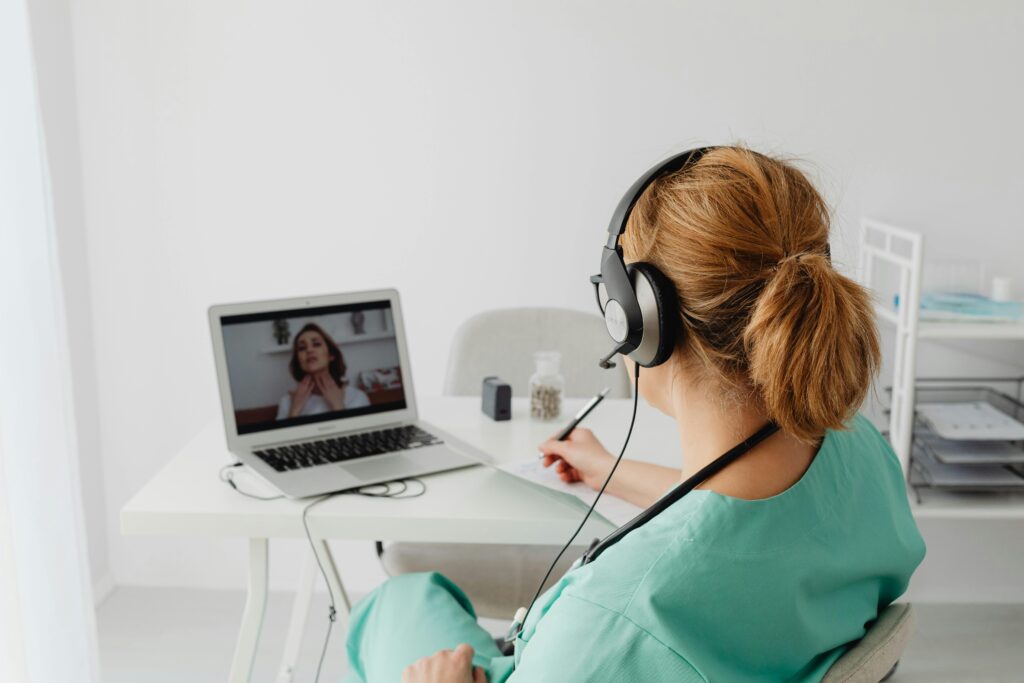
Online healthcare has expanded significantly, allowing patients to consult licensed providers from home. A virtual migraine doctor typically evaluates symptoms through video calls, secure messaging, or structured questionnaires. These providers can assess headache frequency, triggers, and medical history before recommending treatment plans.
Virtual care often focuses on diagnosis, medication management, and lifestyle guidance. Many platforms allow prescription refills for both acute and preventive migraine medications. Follow-up visits are usually straightforward, making it easier to adjust treatment based on patient feedback.
This type of care is especially appealing to those who experience frequent migraines but do not require physical exams or immediate testing.
What In-Person Migraine Visits Offer
Traditional clinic visits provide a hands-on approach. During an in-person appointment, a physician can perform neurological exams, blood pressure checks, and other physical assessments that help rule out secondary causes of headaches.
If imaging tests, labs, or referrals to specialists such as neurologists are needed, these services are more easily coordinated during a face-to-face visit. Patients with complex symptoms, sudden changes in migraine patterns, or underlying conditions may benefit from this deeper level of evaluation.
In-person care can also offer reassurance for those who prefer direct interaction or who feel more confident discussing symptoms in a clinical environment.
Convenience and Accessibility Comparison
Convenience is one of the biggest differences between the two options. Virtual appointments eliminate travel time, waiting rooms, and scheduling challenges. For individuals who experience migraines triggered by bright lights, noise, or motion, staying home can make care more accessible.
In-person visits require more planning but may be easier for those who live close to a provider or prefer consistent, long-term relationships with a local physician. Availability can vary depending on location, insurance coverage, and provider demand.
For people in remote areas or with limited transportation, virtual care may significantly reduce barriers to treatment.
Cost and Insurance Considerations
Costs can vary based on provider, location, and insurance plans. Virtual visits often have lower out-of-pocket expenses and may cost less than traditional office appointments. Some telehealth platforms offer transparent pricing or subscription-based care, which can be appealing for ongoing migraine management.
In-person visits may involve additional costs such as copays for office visits, diagnostic tests, or specialist referrals. However, insurance coverage is often broader for traditional care, particularly for complex evaluations or long-term management.
Before choosing either option, checking insurance benefits and coverage details can help avoid unexpected expenses.
Effectiveness and Patient Experience
Both approaches can be effective when used appropriately. Research and patient feedback suggest that virtual care works well for stable migraine cases, medication follow-ups, and lifestyle counseling. The ability to communicate frequently with providers can improve adherence to treatment plans.
In-person care may lead to quicker diagnosis in cases with unusual symptoms or when physical exams are essential. Some patients feel more comfortable building trust through face-to-face interactions, which can influence satisfaction and long-term outcomes.
The best experience often depends on individual needs, symptom severity, and personal preferences.
Which Option Makes More Sense for You?
There is no universal answer to which option is better. Virtual care suits those with predictable migraine patterns, busy schedules, or limited access to specialists. In-person visits remain important for new diagnoses, worsening symptoms, or situations that require physical evaluation.
Many patients use a hybrid approach, starting with in-person care and transitioning to virtual follow-ups once treatment is established. This balance allows flexibility while maintaining access to comprehensive medical support.
Choosing the right path involves considering convenience, cost, and the level of care required to manage migraines effectively.