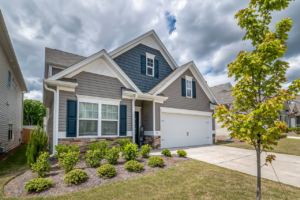
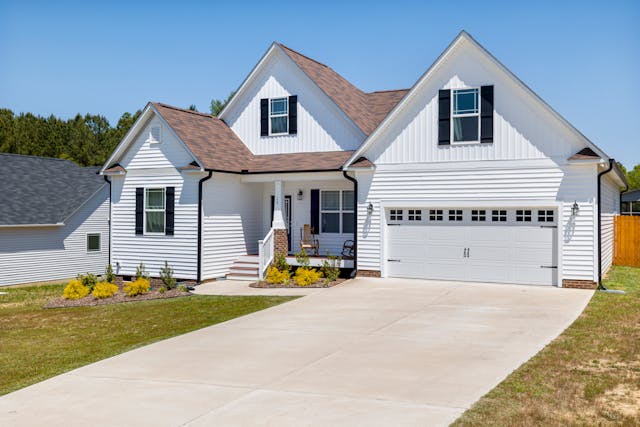
A well-designed driveway connects the home to the street while supporting daily use and long-term durability.
Photo Source: Pexels
A driveway does more than connect the street to your home. It manages water, supports vehicle loads, and sets the tone for how people experience your property. When designed well, it feels effortless to use and lasts for decades. When designed poorly, it can create safety risks, drainage problems, and ongoing maintenance costs that homeowners did not anticipate.
Good driveway design balances appearance with performance. It accounts for grading, materials, soil conditions, and how the space will be used over time. Whether you are planning a new build or evaluating an existing driveway, understanding the fundamentals can help you make choices that protect both your property and your investment.
Safety Starts with Layout and Visibility
Safety is the foundation of any successful driveway design. The layout should provide clear sightlines for both drivers and pedestrians, especially where the driveway meets the street or sidewalk. Tight curves, blind spots, and steep drop offs increase the risk of accidents, particularly in residential neighborhoods with foot traffic.
Width also matters. A driveway that is too narrow can make turning difficult and increase wear along the edges. Adequate width allows for comfortable vehicle movement and reduces the chance of vehicles drifting onto adjacent landscaping or structures. In shared or longer driveways, turnout areas or gentle curves can improve both safety and usability.
Lighting and surface condition play a role as well. Proper illumination improves visibility at night, while a stable, even surface reduces slipping and tripping hazards. These considerations are especially important in regions that experience seasonal weather changes, where ice, leaves, or debris can accumulate quickly.
Understanding Slope and Drainage
Slope is one of the most critical elements of driveway design and one of the easiest to underestimate. A driveway needs enough slope to direct water away from structures, but not so much that vehicles bottom out or traction becomes an issue. Poor grading can lead to standing water, erosion, or water intrusion near foundations and garages.
Effective drainage design considers where water comes from and where it will go. This may involve subtle cross slopes, swales, or drainage inlets that move runoff safely away from paved surfaces. The goal is to manage water without making the driveway uncomfortable or visually disruptive.
Professionals experienced in residential civil engineering often evaluate driveway slope in relation to the entire site, not just the pavement itself. For example, homeowners working with residential engineering in Pennsylvania may need to account for variable terrain, soil conditions, and local drainage patterns to ensure long term performance without recurring water issues.
Choosing Materials with Longevity in Mind
Material selection affects how a driveway looks on day one and how it performs over time. Common options include asphalt, concrete, pavers, and gravel, each with different strengths and maintenance needs. The right choice depends on budget, climate, expected traffic, and aesthetic goals.
Asphalt offers flexibility and lower upfront cost, but may require periodic sealing. Concrete provides durability and a clean appearance, though it can be more sensitive to cracking if not properly designed and installed. Pavers allow for design flexibility and easier spot repairs, while gravel can be cost effective but requires ongoing upkeep to maintain a stable surface.
Beyond the surface material, the base layer is equally important. A properly prepared base distributes loads and prevents shifting or settling. Skimping on base preparation often leads to premature cracking or uneven surfaces, regardless of the material chosen.
Planning For Maintenance Before Problems Appear
All driveways require some level of maintenance. The key is designing with maintenance in mind so that small tasks prevent larger repairs later. This includes providing clear edges, accessible drainage features, and surfaces that are easy to inspect.
Routine maintenance might involve sealing, cleaning, or filling minor cracks before they expand. Good design makes these tasks straightforward rather than reactive. For example, directing water away from the driveway reduces freeze thaw damage and surface wear.
It is also wise to think about how the driveway will be used in the future. Changes such as larger vehicles, additional parking, or altered landscaping can affect performance. A design that allows for flexibility can adapt more easily to evolving needs without requiring a full replacement.
Coordinating Driveway Design with The Overall Site
A driveway does not exist in isolation. It interacts with grading, utilities, landscaping, and nearby structures. Coordinating these elements during design helps avoid conflicts that lead to costly revisions or functional compromises.
This coordination is especially important during new construction or major renovations. Aligning driveway placement with drainage plans, walkways, and utility access supports a cleaner layout and fewer disruptions over time. Even small adjustments during planning can improve flow and reduce long term maintenance demands.
When driveway design is treated as part of a larger site strategy, it becomes easier to balance aesthetics, safety, and durability in a way that feels intentional rather than patched together.
Conclusion
A well-designed driveway supports safety, manages water, and stands up to daily use without constant attention. By focusing on layout, slope, materials, and maintenance from the start, homeowners can avoid many of the common problems that appear years later. Thoughtful planning and attention to site conditions turn a driveway from a simple access point into a durable, reliable part of the property. When design decisions are made with long term performance in mind, the results are easier to live with and easier to maintain.