

What comes to mind when you think of making a career in healthcare? Most people assume it’s multiple years of training and experience in the field before you get your qualifications.
And sure, for a great many roles, this is absolutely true. The path to becoming a doctor or surgeon, for example, is long and complex and requires intensive training and learning to become fully qualified. But these aren’t the only roles in healthcare you can look at, especially if you don’t want to wait multiple years to get a foot in the door.
This post is going to look at some entry points into healthcare that you might not have considered compared to the usual standard routes.
Emergency Medical Technician
EMT training is typically one of the fastest routes into hands-on patient care. Basic EMT training can be completed in as little as a few months and generally needs around 120 to 150 hours of learning, which includes both classroom lessons and practice on fake patients alongside real workers in hospitals or with paramedics.
From here, you can advance to the Advanced EMT or Paramedic level, which again opens up a broader scope of practice to include IV access, medication administration, and advanced airway management.
You can get emergency medical services training to help you get your foot in the door and work your way from here.
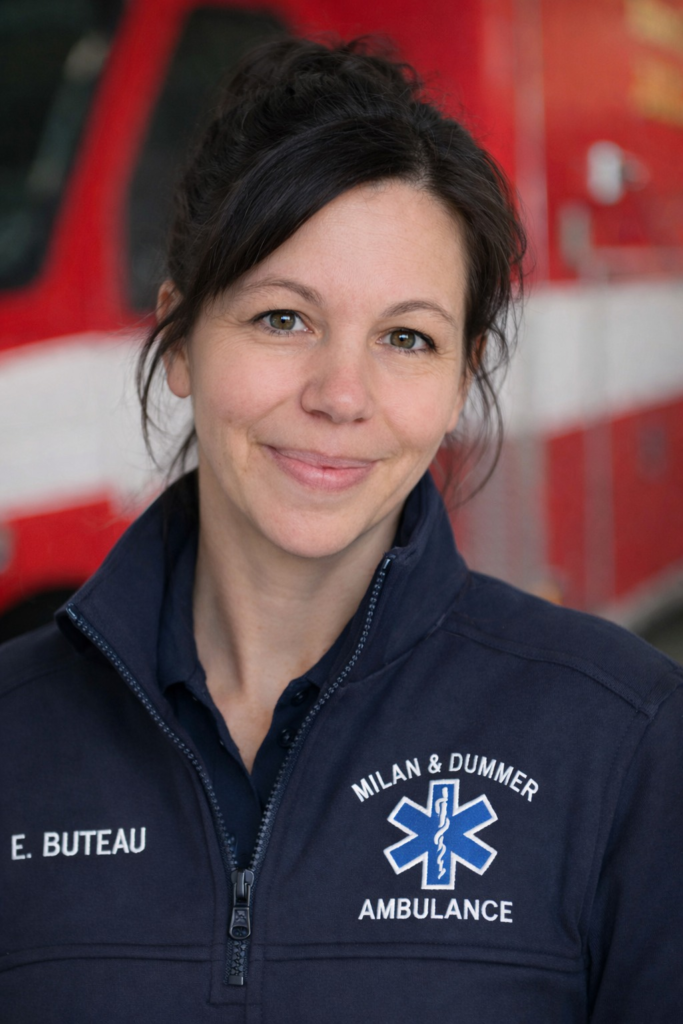
Not ready to commit to EMT right away? You can start out as an Emergency Medical Responder like me!
Surgical Technologist
A surgical technologist will work directly inside the operating room. Usually, the role involves handling instruments, maintaining a sterile field, and assisting surgeons during procedures.
For training, you’re looking at around 12 to 24 months with a qualification via a certificate or associate program. The role carries responsibility from the beginning, as you’re in the heart of an operating theatre.
Once you’re qualified, you then look at your next steps, including specializing in a certain field such as cardiovascular or neurosurgery.
Sterile Processing Technician
This isn’t usually an obvious role people consider or even know about, but if you’re looking for alternative angles in a healthcare role, it is one worth considering.
Sterile processing technicians decontaminate, inspect, and reprocess surgical instruments and medical equipment.
If no one does this, operating rooms cannot run. Training programs for this usually come in under 12 months, and you’ll gain a certification via a body such as IAHCSMM or CBSPD, both of which are widely recognized by employers. From here, you can move to positions such as supervisory or into management, or even train for a different role completely.
Patient Care Technician
Patient care technicians are people who work on the ward with patients, taking vitals, assisting with mobility, supporting personal care, etc. They’re a direct link between the patient and nursing care.
Training is generally a few months long, and you get into a role that gives you genuine exposure to the workings of a hospital regarding patient care. This way, you can see if this type of role is right for you before you decide on your next steps, if you want to make one.