
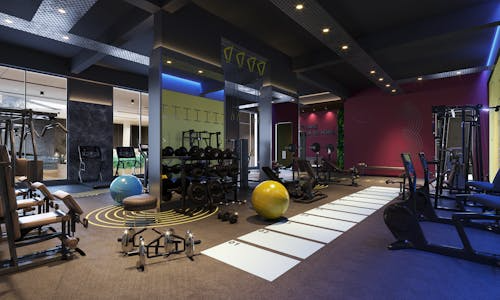
Creating a safe workout environment should be your top priority when designing or upgrading any fitness facility. Whether you’re managing a commercial gym, operating a home workout space, or overseeing a corporate fitness center, smart safety improvements protect users from preventable injuries. The right upgrades can significantly reduce slip and fall incidents, minimize impact-related injuries, and create an environment where people can focus on their fitness goals without unnecessary risks. When you understand which improvements deliver the greatest safety benefits, you’re better equipped to make informed decisions that protect everyone who uses your space. These upgrades represent essential investments that can transform your workout area into a safer, more functional environment for all fitness activities.
Enhanced Flooring Solutions for Impact Protection
Your workout space flooring serves as the foundation for safe exercise, and selecting appropriate surface materials dramatically reduces injury risks during high-impact activities. Traditional hard surfaces like concrete or standard tile can cause significant stress on joints during jumping exercises, plyometric movements, and weightlifting activities. Quality flooring materials absorb shock, provide cushioning during falls, and offer adequate traction to prevent slipping when surfaces become damp from perspiration. Modern flooring options designed specifically for fitness environments combine durability with safety features that protect both equipment and users. When professionals need to protect existing surfaces while adding shock absorption, gym floor covering provides a stable foundation that accommodates various workout styles while minimizing the jarring impact that leads to chronic joint problems and acute injuries. Beyond preventing injuries, the right surface also reduces noise transmission, which benefits both workout participants and anyone in adjacent spaces who might be disturbed by dropped weights or high, intensity movements.
Strategic Equipment Spacing and Layout Design
How you arrange exercise equipment throughout your facility directly influences user safety and determines how effectively people can move through their workouts. Overcrowded spaces force users to navigate narrow pathways between machines, which increases collision risks and limits emergency exit access during unexpected situations. Proper spacing between weight racks, cardio machines, and free weight areas allows users to perform exercises with full range of motion without endangering nearby individuals. During peak usage times when your space reaches maximum capacity, maintaining clear pathways that accommodate multiple users moving simultaneously becomes especially critical. Equipment positioning also affects supervision capabilities, since trainers and staff members need clear sightlines to monitor form and respond quickly to potential safety concerns. Strategic layout design considers traffic flow patterns, grouping similar equipment types while separating activities that might interfere with each other, like placing stretching areas away from heavy weightlifting zones where dropped equipment poses hazards.
Advanced Lighting Systems for Visibility
Inadequate lighting creates dangerous conditions where users cannot clearly see equipment, obstacles, or other people sharing the workout space. Poor visibility increases trip hazards, makes it difficult to read equipment instructions or settings, and strains eyes during activities that require visual focus. Modern lighting solutions provide consistent illumination across all areas without creating glare on mirrors or equipment screens that might distract users during critical movement phases. All corners, storage areas, and transition zones should receive adequate light, since accidents often occur in dimly lit spaces where users cannot accurately judge distances or identify potential hazards.
Proper Ventilation and Climate Control
Maintaining appropriate air quality and temperature regulation directly impacts user safety by preventing heat-related illnesses and creating comfortable conditions that support optimal performance. Inadequate ventilation allows carbon dioxide levels to rise while humidity accumulates, creating an oppressive environment that accelerates fatigue and increases heat stress risks. Quality air circulation systems remove stale air, reduce airborne contaminants, and regulate temperature to keep your space comfortable during intense physical activity. When users exercise in poorly ventilated areas, they experience faster exhaustion, reduced concentration, and impaired judgment that can lead to form breakdowns and subsequent injuries. Temperature extremes also compromise safety, excessively cold environments increase muscle stiffness and injury susceptibility, while overheated spaces elevate dangerous core body temperatures. Installing dedicated HVAC systems designed for fitness facilities ensures consistent climate control that adapts to varying occupancy levels and exercise intensities throughout the day, protecting users from environmental hazards that undermine workout safety.
Comprehensive Safety Equipment and Signage
Visible safety equipment and clear instructional signage provide essential protections that prepare your facility to handle emergencies while educating users about proper equipment usage. First aid stations should be readily accessible and clearly marked, containing supplies necessary to address common workout injuries like cuts, sprains, and minor bleeding incidents. Automated external defibrillators represent critical investments that can save lives during cardiac emergencies, and all staff members should receive training in their proper use. Fire extinguishers, emergency exit signs, and evacuation route markers help users respond appropriately during serious incidents requiring facility evacuation.
Conclusion
Implementing these five safety upgrades transforms your workout space into an environment where users can exercise confidently while minimizing injury risks that compromise their health and fitness goals. Investing in proper flooring, optimizing equipment layout, upgrading lighting systems, ensuring adequate ventilation, and installing comprehensive safety equipment demonstrates your commitment to user welfare. These improvements also reduce liability exposure by showing that you’ve taken reasonable precautions to protect facility users from foreseeable hazards. As you evaluate which upgrades to prioritize, consider both immediate safety concerns and long-term benefits that enhance your facility’s reputation and operational success. Safe workout spaces attract more users, reduce insurance costs, and create positive experiences that encourage continued participation in fitness activities.