
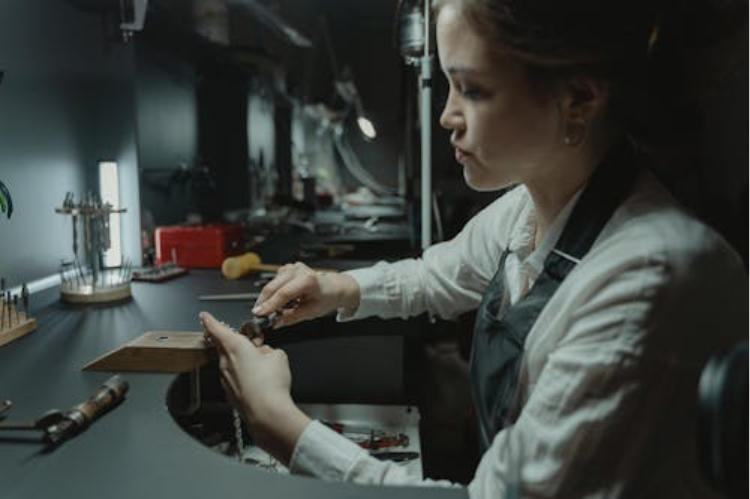
A jewelry studio is a place where beauty is born from precision — where tiny, exquisite components are shaped, joined, polished, and perfected by skilled hands. But behind every elegant finished piece is a workspace that must contend with the relentless production of fine metal dust, chemical residues, and particulate matter generated by grinding, filing, soldering, and polishing. The most admired designers in the industry understand that a clean, well-organized studio is not in tension with creativity — it is the foundation of it. How they manage their studios reveals as much about their craft as the jewels they produce.
Treating Cleanliness as a Professional Standard
Leading jewelry designers approach studio cleanliness with the same rigor they apply to their craft. A disorganized, dust-laden workspace introduces variables that compromise precision — contaminated surfaces affect finishing quality, and accumulated debris around tools creates safety risks. Top designers establish clear protocols for the end of each workday: tools are cleaned and returned to their designated places, workbenches are wiped down, and floors are swept to capture fine metal particles. This discipline is not merely aesthetic; it protects both the work and the people doing it.
Controlling Fine Dust at the Source
Metal dust is the defining environmental challenge of any active jewelry studio. Processes such as grinding, sanding, filing, and buffing release fine particles continuously, and those particles do not simply disappear — they settle on every surface in the room and are inhaled by everyone in the space. Experienced designers address this at the source by using a jewelry dust collector integrated directly into their workbench setup. These systems capture particles as they are generated, before they have a chance to become airborne and spread throughout the studio. Purpose-built dust collection for jewelry work is one of the most important investments a serious designer can make, both for health and for the integrity of their workspace.
Designing Workspaces That Are Both Functional and Beautiful
The best studio setups reflect the same design sensibility that goes into the jewelry itself. Leading designers invest in thoughtfully organized tool storage that is both accessible and visually coherent. Wall-mounted pegboards, labeled drawers, custom-fitted trays for small components, and carefully chosen lighting fixtures all contribute to a workspace that is a pleasure to be in as well as efficient to work within. When a studio looks and feels deliberate, it creates an environment that invites focused, creative work — and it signals to clients, collaborators, and apprentices that this is a professional operation of the highest caliber.
Managing Chemical Hazards and Soldering Ventilation
Jewelry fabrication involves a range of chemical agents — fluxes, pickle solutions, polishing compounds, and solvents — that require careful handling and appropriate ventilation. Designers who take safety seriously install dedicated fume extraction at soldering and chemical treatment stations. These localized extraction systems prevent the buildup of hazardous fumes that would otherwise accumulate in the studio atmosphere and pose respiratory risks over time. Proper chemical storage, labeling, and disposal protocols complete a safety system that protects both the designer and any assistants or apprentices working in the space.
The Role of Aesthetic Consistency in Creative Environments
Many top designers speak about the importance of their studio aesthetic as a creative input, not just a backdrop. A studio that reflects the designer’s visual sensibility — through the choice of materials, color palette, lighting quality, and organizational style — actively reinforces their creative identity and helps maintain the focused, intentional mindset that fine jewelry work demands. Some designers go so far as to design their studios as showpieces in their own right, understanding that the environment a designer inhabits communicates something important about who they are and what they stand for.
Conclusion
The studios of the world’s most respected jewelry designers share a common thread: they are clean, organized, thoughtfully designed, and maintained with the same care that goes into the work itself. Cleanliness is not incidental to great jewelry making — it is a precondition for it. By investing in the right tools, systems, and habits, any designer can build a studio environment that supports the highest level of craftsmanship while reflecting the elegance of the work it produces.