
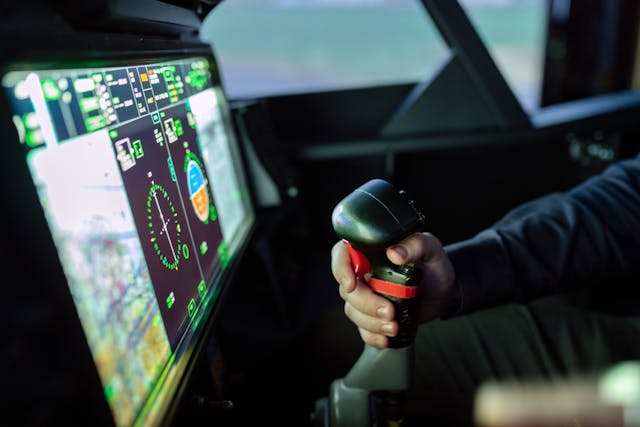
Pilot’s hand on a joystick inside a modern flight‑sim cockpit, with bright digital displays and flight instruments.
Source: Pexels
A dependable preflight is less about doing more and more about doing the right things the same way every time. When the airfield is busy and time is tight, small habits add up to smoother departures and fewer last‑minute surprises. The goal is to move from ramp to runway with calm, deliberate assurance that systems are ready and the paperwork, people, and airplane agree with your plan.
Start With a Predictable Flow
Consistency is a pilot’s best friend. Begin by setting the airplane, documents, and environment up for success. Confirm the maintenance status and required documents, then build a repeatable sequence for the walkaround so you never wonder what you checked and what you meant to check. Use the same lighting, the same path, the same “touch and look” points. As you transition to the cockpit, lay out the headset, EFB, and checklists so your hands fall where you expect them to. That small bit of order reduces mental friction and frees attention for the conditions of the day rather than the clutter of the moment.
Prioritize Power, Indications, And Redundancy
Electrics and indications sit at the center of modern flying. Before engine start, treat power as a system rather than a switch. Confirm battery health, ensure portable devices are charged, and keep charging cables tidy and strain‑free so they do not snag controls. When screens come alive, scan for the expected: caution lights that extinguish when they should, annunciators that behave by the book, and a panel layout that matches your mental model. If something looks off, pause early. It is far easier to correct a configuration or clarify a checklist step on the ramp than in motion.
Give Your Walkaround Three Extra Touches
The traditional walkaround covers fuel caps, strainer samples, tires, and control surfaces. Give it three more touches that pay back on every departure. First, lightly pressurize and release the brake system with the parking brake set and off to confirm feel and symmetry. Second, use a fingertip on each hinge line and fastener row to feel for looseness you might not see. Third, take a breath and look for anything that feels “new,” from a small fluid stain to a scuffed tire shoulder. None of these take long, and all of them catch issues that can become distractions at exactly the wrong time.
When An Indication Looks Wrong, Verify Smartly
Even with a disciplined routine, you will occasionally see a gear, door, or caution light that does not match expectations. This is where a short, well‑planned verification pays dividends. Ground crews and avionics techs often rely on user‑friendly landing gear breakout boxes to access gear‑system circuits, perform continuity checks, and confirm limit‑switch logic quickly, thanks to durable enclosures with clearly labeled connections designed for ramp and hangar use. These tools simplify landing‑gear testing and help pinpoint electrical issues before they turn into delays.
Many modern units use a universal base paired with aircraft‑specific harnesses. That pairing lets technicians validate gear limit switches and related circuits directly from the cockpit or gear bays in line with the maintenance manual, bringing routine diagnostics in‑house and reducing AOG time when a light or logic path needs confirmation. If you fly from a field with maintenance support, knowing that this kind of quick ramp verification exists can inform your decision whether to hold short and resolve a nuisance indication or taxi back confidently for a brief test that keeps the day on track.
Keep The Cabin and Cockpit Calm
A smooth departure is as much about tempo as it is about technique. Set a pace you can maintain even when other airplanes are moving. Verbalize your sterile‑cockpit line. If you fly with others, assign each person a role during engine start and taxi so you are not competing for tasks or attention. Keep checklists visible and used as checklists rather than memory tests. The quieter the mind, the more likely you are to catch the tiny detail that matters, whether that is a slip of the fuel selector, an altimeter that did not take its final set, or a flaps position that does not match the plan.
Make Small Tools Do Big Work
The best preflight tool is the one you will actually use. A bright, compact flashlight reveals labels and fittings you would otherwise miss. A simple kneeboard or seat‑pouch makes the difference between a clearance you can copy cleanly and one you need to ask for twice. For operators and schools, keeping a few well‑chosen diagnostic tools on hand speeds up decision‑making when an indication needs a second opinion. Universal test platforms that accept model‑specific harnesses are designed for real hangar conditions and are meant to be read by humans, not guessed at, which is why they are so effective under time pressure.
Close The Loop Before You Taxi
Confidence grows when you leave no loose ends. Before brake release, revisit your original plan and the airplane’s current state. Are the fuel, weight, and balance still what you briefed. Did the weather shift in a way that alters departure procedure or initial altitude. Do the annunciators and instruments now show exactly what they should. A calm, final scan is not theatrics. It is your last chance to catch a mismatch between plan and reality while the cost of fixing it is still low.
Conclusion
Preflight confidence comes from a handful of simple habits performed the same way every time. Begin with a predictable flow, keep power and indications honest, add a few tactile checks to your walkaround, and slow the tempo enough to notice small details before they become big ones. When a light or logic path needs a second look, use smart verification and then close the loop. Do that consistently and every takeoff feels less like a race and more like what it should be, a deliberate transition from ground to sky with your attention exactly where it belongs.