

Every home needs a little improvement once in a while. Sometimes, a little DIY job or replacing an old appliance might do the trick, but when your needs are a little greater, it might be time for a renovation. However, bigger projects can come with more stress, as they might require more time and work, and the consequences of getting them wrong can be a lot more costly. As such, here, we’re going to look at how you can take the stress out of your own renovation project with a little more planning and forethought.
Know What You Want
First and foremost, have a good idea of what you want from your renovation to remove the constant concern that is uncertainty. Before any work stats, think about your goals, your priorities, and your non-negotiables. Whether you’re looking to make some unique home additions, restructure your space, or meet specific needs, create a list of your wants vs. your needs. This can help you find the specialist best suited for the job and help you prioritize if you find out that your budget might not have enough room to tackle the whole list.
Set A Detailed Budget (With Some Wiggle Room)
Financial surprises can cause a lot of stress during renovations. You can avoid them with the help of a detailed budget that accounts for now just the materials and labor, but any permits, design fees, or other expenses like temporary living costs if you have to leave the home at any point. Beyond that, you should set a contingency fund that covers roughly 10 to 20% of the overall cost, to make sure that you’re able to handle any unexpected costs along the way, such as structural repairs or replacing outdated wiring.
Hire The Right Professionals
If you’re not handling the renovations yourself, then you should take the time to find the right, reputable professionals for the job. Research the home contractors with experience in the specific kind of project that you’re carrying out, read their reviews, check their licenses, and get a good look at their past work. When you find a trusted team, then it’s important to actually trust them, relying on their technical expertise. While they should certainly listen to your priorities and needs, you should also avoid micromanaging them. Otherwise, even when a project is going well, being so stuck in their business is going to make things much more stressful for both parties.
Consider A Temporary Living Plan
As mentioned in the budgeting point, you might find that your daily routines are going to get disrupted, especially if you’re working on kitchens, bathrooms, or major living areas. Using your home as normal, or even staying there during the project, might not be the most feasible option. You might have to set up temporary eating arrangements or even find yourself some short-term accommodation. Not only does it make sure that you’re taking care of your needs, but you’re not going to be as worried about getting in the way of the team’s work.
Anticipate Delays
While you might not want the project to last a lot longer than it’s estimated to, even the best plans can get knocked off schedule due to changes in the weather, unforeseen issues getting the permits you need, or a shortage of the materials you want on the market. Having flexible plans to adapt to these shifting circumstances can help. If you want your project to meet all of your standards, you might have to be willing to be a little more flexible to changes in your schedule, as well.
Focus On The End Result
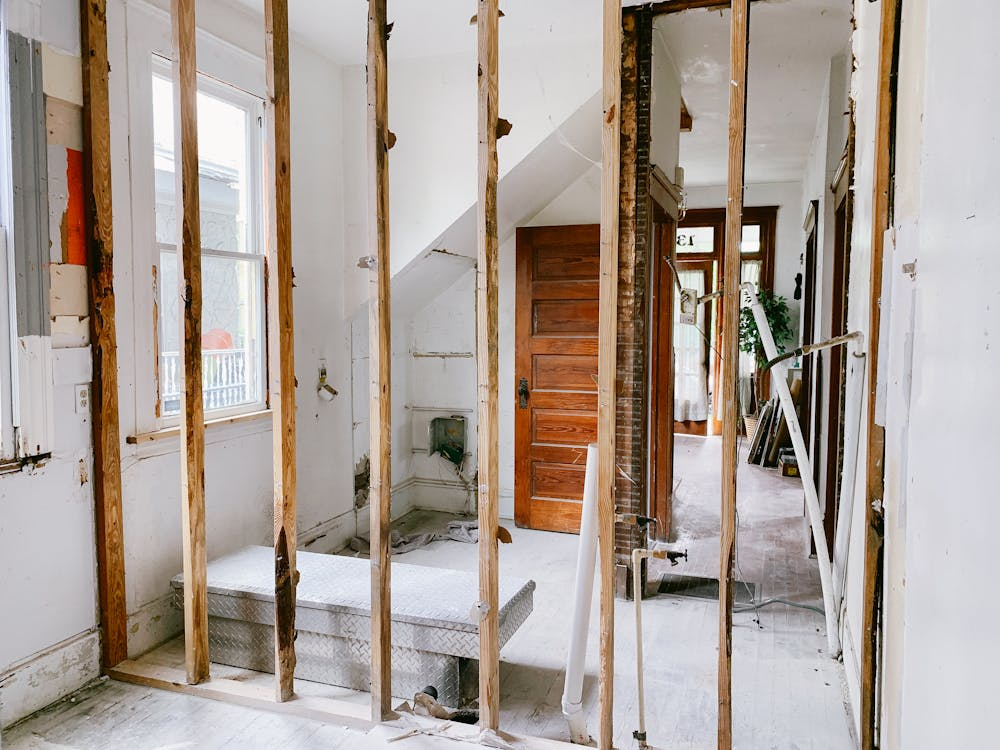
When you’re in the middle of a renovation project, especially one that involves demolition or restructuring, it can feel overwhelming when you’re right in the middle of it. Having dust and debris everywhere and being unable to access every part of the home is not a pleasant feeling. As such, try to focus less on the here and now and more on the final outcome as well as the improvements it will eventually bring. Progress photos over the days can help you see the project coming together much better than simply looking at its current state.
There’s no way to completely remove the stress of a home project, nor to make sure that absolutely nothing goes wrong or that delays don’t pop up along the way. However, with the right plans, a clear expectation of what your home is going to look like, and a good working relationship with the right professionals, you can assuage the vast majority of your concerns before the project even begins.