
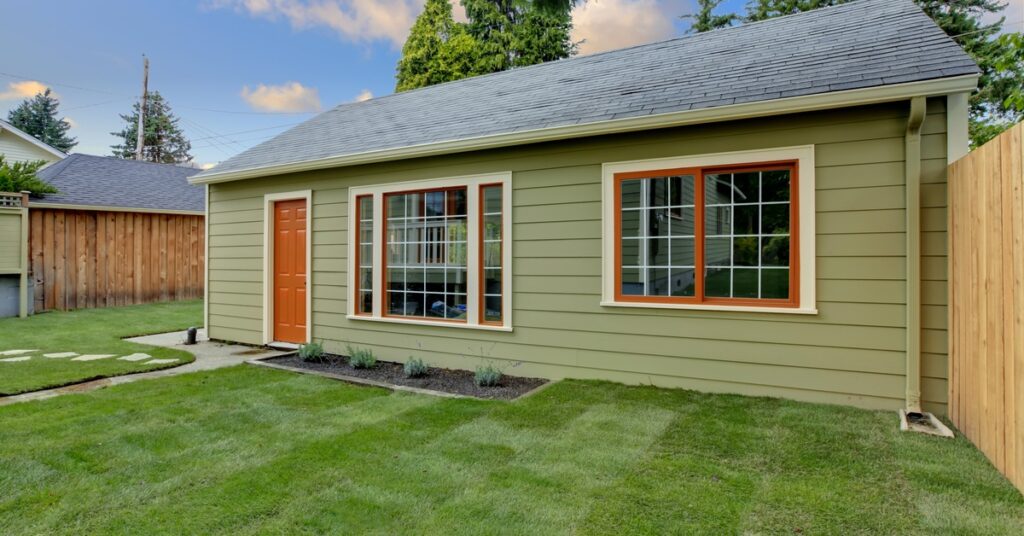
You finally built that accessory dwelling unit (ADU) in your backyard. Maybe you plan to rent it out while you tour the country in your RV, or to give your adult child a bit of breathing room. It’s cozy, efficient, and probably costs more than you expected. But here’s the catch: It’s a separate dwelling that opens you up to new liabilities.
Many homeowners assume their existing insurance policy covers ADUs, but it’s not always that simple. Learn how to properly insure your ADU property, no matter who’s living in it or where you happen to be.
Know What Type of ADU You Have
You must determine what type of structure your ADU is before shopping for coverage. Is it a detached backyard unit? A converted garage? A second story above the garage with its own entrance? Insurance companies treat each type differently.
You’ll also want to understand your zoning category. Learning how to navigate key zoning requirements for ADU construction can help you determine whether the insurance company will consider it a rental, a dwelling, or an accessory, and all that entails for insurance purposes.
Define Who’s Using the Space
Insurers will ask who’s living there, and how often. Why? Usage determines risk. A unit used for Airbnb-style hosting may require a landlord or business policy. A space for an aging parent might only need extended dwelling coverage.
Your zip code could impact your rates more than you think. For example, rental-specific insurance is required in places like Louisville, Kentucky, or Berlin, New Hampshire, if the ADU earns income.
Don’t Rely on Your Main Policy
Most standard homeowners’ policies only cover structures that you are not using as separate dwellings. ADUs with their own entrance and kitchen require property and liability coverage.
Ask your insurer if you can endorse the ADU on your existing policy. If not, a standalone landlord or rental property policy might be necessary, even if the tenant is your child.
Think Beyond Property Coverage
If you rent out the unit, even for just three months each year, you’ll need liability protection. One slip on icy steps or a faulty appliance could cost thousands.
Also, consider adding loss-of-income coverage, as it can reimburse lost rent and repairs if a pipe bursts and the space becomes uninhabitable.
Make Annual Coverage Reviews a Habit
ADUs evolve. What starts as a guesthouse can quickly become a rental, a home office, or both. Note in your calendar that you must review your insurance policy annually. Update it whenever you change how you or your tenant use the unit.
Installing solar panels, finishing a kitchenette, and other small changes can increase the rebuild value. Don’t let your coverage fall behind.
Insure Your ADU Now, Worry Less Later
Figuring out how to properly insure your ADU property might not be the most glamorous part of building one, but it’s the one that matters most if something goes wrong. An extra 20 minutes with your agent now could save you weeks of hassle later.