In the competitive environment of hospitality, where chefs and front-of-house personnel are expected to set the standards of a restaurant, the visual presentation of both individuals is a crucial part of the formation of the image and identity of a restaurant. With a change in trends, it remains imperative to know what is shaping the contemporary appearance of culinary servicepeople and women, and individuals dealing directly with guests.
Fashion-Forward Designs Are Taking the Lead
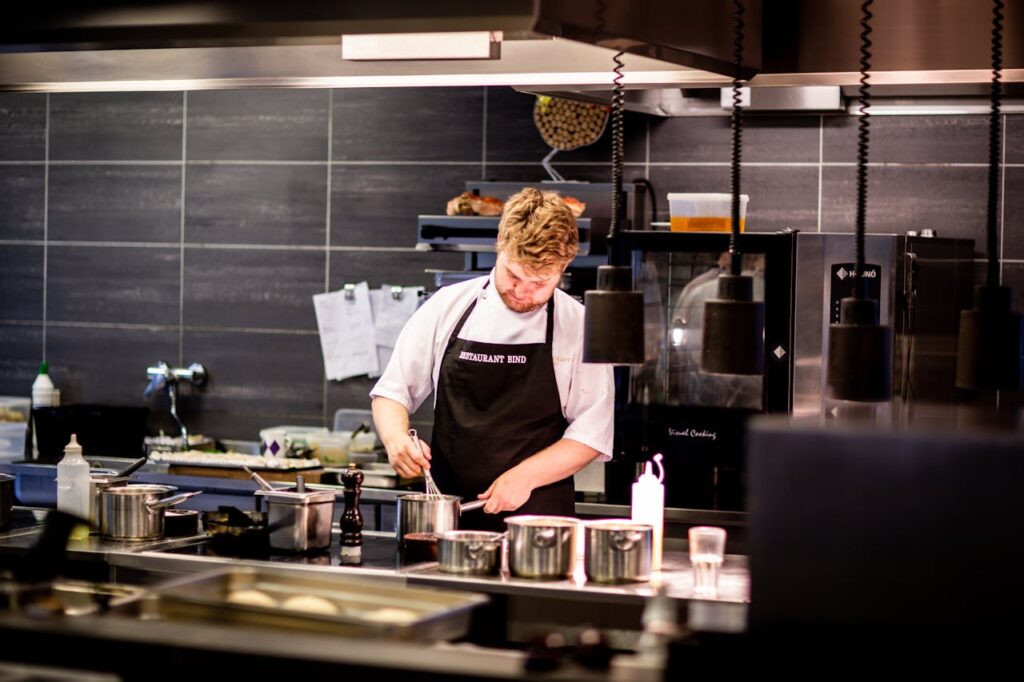
Chefs and service personnel today are not bound to simple whites and straight collars anymore. Great uniform designs that are fashion-forward are to be seen making a bold statement in kitchens and dining rooms across the world. The new uniforms usually feature the latest fashions of tailoring, well-designed lines, and presentable color selections that balance with themes or the look of the restaurant. Outdated shades such as sand, beige, and cream have been eliminated by neutral navies, charcoal, and slate, giving it a grown-up repartee, which does not sacrifice hygiene and functionality in any way.
Focus on Comfort and Mobility
The comfort and ease of movement are also eminent related to the latest uniform styles, particularly in busy kitchens and dining sections. Conventional lightweight, breathable materials, like performance blend or moisture-wicking, are now the common change in most modern chef coats and server uniforms. Such materials provide the elasticity and elongation to move around without having to choose between comfort and professionalism, especially in long shifts. The front-of-house employees also enjoy the ergonomic shape and soft finishes that can help them serve the guests effortlessly and confidently. The new functional features are ventilation features, stretch panels, and articulated seams that enhance functionality and help in avoiding fatigue.
Gender-Inclusive and Unisex Uniform Options
Contemporary uniform fashions are also getting friendlier, providing a range with provisions for various kinds of workers. Unisex clothing and genderless cuts have become popular since restaurants seek gender-inclusive environment settings where they respect personhood. Instead of having to set their personnel on the traditionally masculine or feminine style mode, many establishments have shifted to providing uniforms that do not clash with anybody, comfortably and confidently. Such change promotes equality in the workplace as well as providing more opportunities to find a uniform and stable aesthetic among all team members.
Incorporation of Sustainable and Ethical Materials
Sustainable processes within the hospitality industry are developing, and uniforms should not be an exception. Several restaurants now prefer clothing items made of recycled fibers, organic cotton, or other eco-friendly cloth materials. Besides cutting down the ecological footprint of the business, these environmentally conscious decisions are the ones that are going to trail the expectations that consumers have of products in terms of sustainability. Production ethics and labor fairness are increasingly being placed at the center of uniform sourcing, and this provides a business with an opportunity to portray its values via every nook and corner of its presentation.
Minimalist Branding and Customization
Minimalist branding is one of the most notable works of the current uniform design that creates a less conspicuous connection of the uniform to the name of the restaurant. Instead of oversized logos or intricate embroidery, most places today favor dainty touches of design, like tone stitching, subtle monograms, etched metal labels. Customization services available in the modern age make it possible to ensure that the brand image is promoted, thanks to the excellent personalization with its details that are not too excessive. Those who want to work on their visual brand can easily get custom uniforms from a reliable source like BlueCut that will give them high quality uniforms. Names can be embroidered and symbols stitched along with additional color trims that can be customized to each of the staff members, giving them a sense of ownership and pride towards their job.
Conclusion
The emerging trends in the design of current uniforms of chefs and front-of-house personnel come to show that presentation, comfort, inclusivity, and sustainability are becoming increasingly central to the hospitality industry. Uniforms are no longer only about conformity; instead, they have become strategic branding, employee satisfaction, and customer contact technique. Uniforms have the capability of not only adding aesthetics to a restaurant but also making it operate better and contributing to cultural influence with proper design and paying attention to detail.