Let’s be honest—most people don’t have the luxury of tucking their car into a temperature-controlled garage every night. If you’re parking on the street, in an open driveway, or under a questionable-looking carport that sways in the wind, you’re not alone. But here’s the thing: just because you don’t have a garage doesn’t mean your car has to suffer the full wrath of the elements.
The good news? You’ve got options—smart, affordable, and seriously effective ones. And no, it’s not just about throwing a car cover over your ride and calling it a day. From practical upgrades to simple weekly habits, there are plenty of ways to keep your car looking sharp and functioning well—rain, sun, hail, or dust storm.
You’ll even see how something like car ceramic coating fits into the bigger picture. So grab your keys, and let’s turn that exposed parking space into a maintenance success story.

Via Pexels
Understand the Enemies First
Before you protect anything, you need to know what you’re up against. The elements aren’t just inconvenient—they’re corrosive over time. Here’s a quick rundown of what your vehicle faces daily without shelter:
- UV Rays: These don’t just dull your paint; they break down plastic trim, fade upholstery, and dry out rubber seals.
- Rain and Moisture: Water spots, oxidation, and even mold can show up faster than you’d expect—especially in humid or coastal areas.
- Bird Droppings and Tree Sap: Two of the most acidic things that can hit your paint. They eat through clear coat in hours.
- Temperature Swings: From hot-and-humid to icy-and-dry, extreme changes cause materials to expand and contract. That’s how cracks and brittle parts start.
- Dust and Pollen: They seem harmless, but they’re abrasive. Even wiping them off can cause micro-scratches that dull your finish.
The key isn’t to avoid the elements, because let’s face it, that’s not realistic. The goal is to create barriers. Layers. Routines that keep your car from absorbing the damage day in and day out.
Layer 1: Create a Physical Barrier (That You’ll Actually Use)
Let’s talk covers. Yes, you’ve heard this advice before, but we’re not talking about stiff, generic tarps that scratch your paint every time you remove them.
Look for breathable, custom-fit car covers. They should:
- Allow airflow to prevent moisture buildup underneath.
- Have UV-resistant fabric for sun protection.
- Include soft interior lining to avoid abrasion.
- Come with tie-down straps so wind doesn’t turn it into a sail.
If a full car cover feels like too much effort, consider smaller barriers:
- Windshield covers (for frost or sun)
- Tire covers (if your vehicle sits for long periods)
- Magnetic side shields to protect from hail or bird debris under trees
And if you’re in a location with seasonal hazards like snow or sap, don’t be afraid to rotate your approach throughout the year.
Layer 2: Wash Smarter, Not Just More Often
Rain doesn’t clean your car—it dirties it. What settles on your car after a storm is often a cocktail of dirt, acid, and road grime. Leaving it there gives it time to bond with the paint.
Here’s your no-garage-friendly wash schedule:
- Every 2 weeks (or immediately after major weather)
- Use pH-balanced soap and microfiber mittens
- Dry with soft microfiber towels, not air drying
Pro tip: Skip the spinning brushes at cheap car washes. They might be fast, but they’re aggressive and usually filthy. Opt for touchless washes or learn how to bucket-wash at home with rinse-free formulas if you’re water-restricted.
Even better? After you wash…
Layer 3: Add Car Ceramic Coating for Year-Round Defense
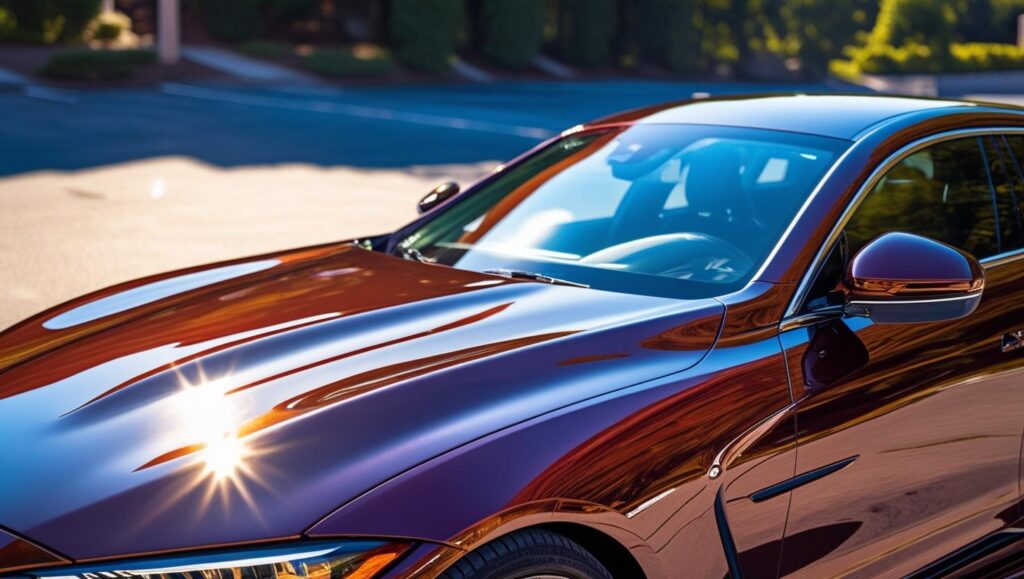
This is where car ceramic coating earns its keep. You might think it’s just a glossy finish upgrade, but it’s way more than that.
Ceramic coating is a liquid polymer applied by hand that chemically bonds with your car’s paint. What it does is form a hard, slick surface that:
- Repels water and dirt like a magnet
- Blocks UV rays that cause fading
- Makes cleaning faster and safer
- Prevents chemical etching from things like bird droppings and acid rain
Here’s the thing—you don’t need to be a car enthusiast or own a detailing studio to get this done. Many local detailers offer professional ceramic coatings for everyday drivers. It’s a one-time cost that can last years with minimal maintenance.

Via Pexels
Layer 4: Protect from the Inside Out
What’s outside matters—but the inside’s just as vulnerable when you don’t have a garage.
Dashboard cracking, seat fading, and musty smells are all signs of neglect in an open-air environment. Here’s how to protect the interior without breaking the bank:
- Use windshield sunshades every single time you park.
- Tint your windows (check local laws). Tint not only adds privacy but also blocks up to 99% of harmful UV rays.
- Condition your leather and vinyl once a month. Think of it like moisturizer for your dashboard.
- Vacuum regularly—dust and pollen inside trap moisture and lead to mildew.
Bonus move? Throw in a bag of activated charcoal or a dehumidifier pouch if your region gets especially damp.
Layer 5: Be Strategic About Where You Park
Sometimes small decisions save you big headaches. Parking under trees may offer shade, but also means sap, bugs, and birds. Park near buildings instead—they offer some shelter from wind and sideways rain.
A few more tips:
- Park your car so that its dashboard is away from the sun to avoid the harsh afternoon sun on your dashboard.
- Avoid sloped driveways where water collects at the base of your car.
- If you’re storing a vehicle long term, inflate tires slightly above normal PSI and consider jack stands to prevent flat spots.
What You Do Consistently Matters More Than What You Do Perfectly
People often think vehicle protection means expensive gadgets or pristine storage conditions. But that’s just not true. The real secret is consistency. A weekly rinse, a semi-annual coat of wax or ceramic, a smart parking habit—these add up.
And when your neighbor’s identical car is dull, peeling, and reeking of mildew after two years, yours will still have that just-detailed sparkle. Not because you had better resources, just better routines.
Final Thoughts: Make Your Parking Space Work for You
Having no garage isn’t a disadvantage—it’s just a different starting point. You don’t need four walls and a rolling door to give your car a longer, cleaner life. You need habits. You need a few smart tools. And maybe one weekend to reset your approach to car care.
Your vehicle’s resale value, daily comfort, and even safety can improve with something as simple as a windshield shade or a protective layer of coating. So start small if you need to—but start.
Because protecting your car in harsh weather isn’t about fighting nature. It’s about getting ahead of it.