
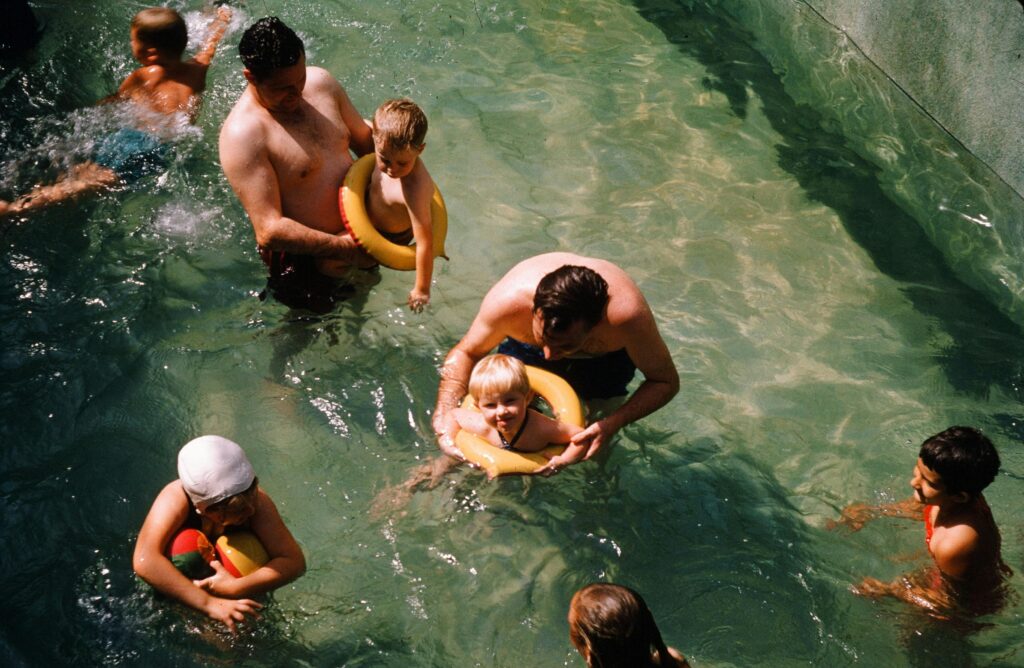
For many families, time spent by the pool is one of the highlights of warmer months. Pools bring people together for relaxation, play, and exercise, creating memories that last well beyond the season. At the same time, water environments require heightened awareness and thoughtful preparation. Even familiar backyard pools can present risks if safety routines become relaxed or outdated. Establishing clear poolside protocols helps families enjoy the water confidently while reducing the chance of accidents.
Pool safety is not about fear or restriction. It is about consistency, education, and readiness. When families take time to review safety checks and responsibilities, the pool becomes a place of enjoyment rather than concern. Thoughtful planning allows everyone to focus on fun, knowing that protective measures are already in place.
Maintaining a Secure Pool Environment
The foundation of pool safety starts with the physical environment. Families should regularly inspect barriers and access points surrounding the pool area. Fences should be fully enclosed with self closing and self latching gates that remain locked when the pool is unattended. These measures reduce the risk of unsupervised access by children or pets.
The pool deck itself deserves attention. Wet surfaces can quickly become slippery, increasing the risk of falls. Using non slip mats and keeping toys and furniture organized limits obstacles that can cause injury. Clear walkways support safer movement around the pool, especially during busy gatherings.
Visibility is another critical factor. Water should be clean and clear enough to see the bottom of the pool at all times. Proper filtration, regular cleaning, and balanced chemicals contribute to water clarity while also protecting swimmers from irritation or illness.
Establishing Active Supervision Standards
Supervision is the most effective poolside safety protocol. Active supervision means maintaining constant visual contact with swimmers and being prepared to respond immediately if something seems wrong. This responsibility should never be assumed or shared casually among adults without clear agreement.
Families benefit from assigning a designated water watcher during swim times. This person remains focused on the pool without distractions such as phones or conversations. Rotating this role during longer gatherings helps ensure attention remains sharp.
Children should be taught to recognize who is supervising and to seek permission before entering the pool. Clear rules about swimming only when an adult is present reduce confusion and reinforce accountability. Supervision also includes knowing each swimmer’s ability level and setting limits accordingly.
Preparing for Emergencies With the Right Skills
Even with strong supervision and environmental safeguards, emergencies can still occur. Preparation makes a decisive difference in outcomes. Parents and caregivers should feel confident responding to situations like submersion incidents, breathing distress, or sudden injuries.
Many families choose to complete a CPR certification online as part of their broader safety preparation. This training equips caregivers with the knowledge and confidence to act quickly while emergency services are on the way. Understanding how to perform chest compressions, support breathing, and recognize signs of distress can save valuable time.
Emergency preparedness also includes having essential equipment readily available. Reaching poles, flotation devices, and a well stocked first aid kit should be easily accessible near the pool. Clear instructions and emergency contact numbers posted nearby support fast action if an incident occurs.
Teaching Pool Rules That Build Responsible Habits
Poolside protocols should be shared with every family member and guest. Establishing simple, consistent rules helps swimmers understand expectations and reduces risky behavior. These rules should be reviewed at the start of each season and reinforced regularly.
Common guidelines include no running on the pool deck, no diving in shallow areas, and no rough play in or around the water. Children should know to enter and exit safely and to alert an adult if they notice a problem. Explaining the reasons behind the rules encourages cooperation rather than resistance.
For older children and teens, safety conversations can expand to include personal responsibility and awareness of others. Encouraging them to look out for younger swimmers builds a culture of shared care rather than reliance on a single authority figure.
Reviewing Pool Readiness Before Every Swim Session
Consistency is key to effective pool safety. Families should develop a simple pre swim routine that confirms readiness before anyone enters the water. This habit reinforces awareness and ensures that safety measures do not fade into the background.
A quick readiness check might include confirming that supervision is assigned, rescue tools are in place, and water conditions are appropriate. Weather considerations matter as well. Swimming should be paused during storms or when visibility is compromised.
By repeating these checks regularly, families create muscle memory around safety. This approach reduces oversight and reinforces the idea that pool time begins only after protective steps are confirmed.
Conclusion
Pools bring joy, connection, and relaxation to families, but they also require thoughtful responsibility. Strong poolside protocols combine environmental safeguards, active supervision, emergency readiness, and clear rules that everyone understands. When safety becomes part of the routine rather than an afterthought, families can focus on enjoyment with greater peace of mind. Consistent attention to these important checks transforms water spaces into environments where fun and safety go hand in hand.