
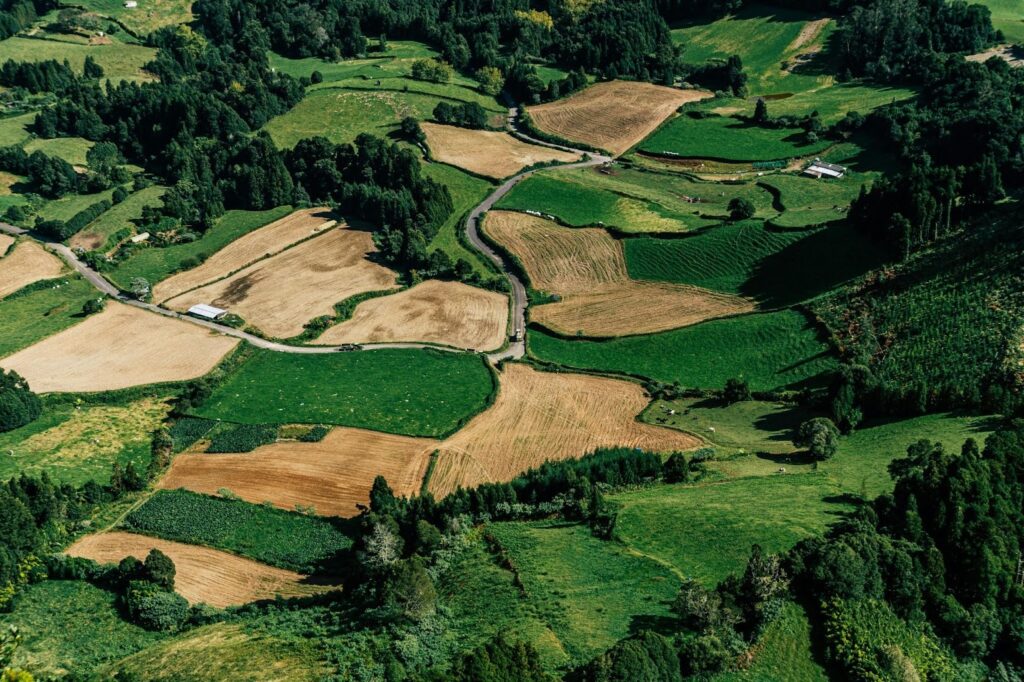
Inheriting land can be a weird thing. On the one hand, you’ve got something that holds a lot of value, but once that’s settled in, you may realize that you don’t really want it.
From here, where do you go? You could simply pass it down to your next of kin, but that feels like a waste in the here and now. Perhaps you could hold onto it in the hope that the value will increase, but then you’ll have other ongoing costs to consider.
If the land has just been sitting there for a few months and you don’t know what to do, there are several routes you can take – and not all involve actually passing it on. It has to be done right, though, and that’s what you’ll learn about in this article. Here are five options for what to do with land you don’t want.
1. Keep It as an Investment
The land you’ve got is almost certainly valuable, even if it’s not something that will fetch thousands. While the option of keeping it and hoping it appreciates may seem like something you don’t want to be involved with, there are ways to do this without major hassle.
If you’re considering this route, you can find out pretty quickly whether it’s worth it. You’ll need to look into the annual tax and maintenance costs and weigh them against the value of the land. If you discover that the ongoing costs are low relative to how the land might serve you long term, keeping it as a passive investment may be wise. The type of land also matters, as for some pieces, you’d only have to do very little in the way of maintenance.
2. Develop on the Land
Another option many people choose is to turn the land into something worthwhile. This is definitely the most involved option, and you’ll likely need plenty of capital behind you to pull it off, but it’s also the case that most people don’t have land just lying around; it’s something with unique potential, even if you don’t see it as a gift right now.
Depending on what you’d like to build there, you’ll need to pay attention to zoning rules and the special laws that apply for your area, so be sure to consult with a property developer for advice before moving forward (some areas can’t be developed at all, in which case, you’ll likely just want to try and sell the land).
3. Lease It
Just because you don’t want to deal with the land in question doesn’t mean someone else won’t. One person’s trash can be another’s treasure, so something anyone with inherited land should consider is leasing it.
Leasing enables you to retain full ownership while essentially making passive income. You turn a problem into a great asset, all while giving someone else the opportunity to flourish. As such, this is a nice option if you feel a sentimental attachment to the land, even though it seems like it’s more hassle than it’s worth. This way, it gets used for something worthwhile, but you don’t have to do much to maintain it.
Similarly to developing it yourself, you’ll need to make sure you’re clear on any local laws or regulations. Certain pieces of land can only be used for specific purposes, so make sure you’re crystal clear on this first before you go any further.
4. Sell it
If none of the options above resonate with you, or if they’re simply unfeasible, the best thing to do is sell the land. This is the only way to free yourself once and for all from the taxes, maintenance, and other such obligations associated with it.
The ideal way to do this would be through a direct cash buyer, and these are few and far between. In Alabama, for example, PlaceAcre is the only cash buyer exclusively for inherited and unwanted land, and wherever you live, you’ll need to find a firm with similar expertise in this area.
This negates the lengthy, drawn-out process associated with selling the land – the kind of process that makes keeping it and dealing with the hassle seem preferable!
Wrapping Up
Hopefully, you now feel a little clearer on what to do with the land you’ve inherited. While it might seem like an albatross around your neck at first, there are plenty of options, and if you do want to sell, finding a reputable cash buyer can make quick work of the process.
Image Credit: Pexels