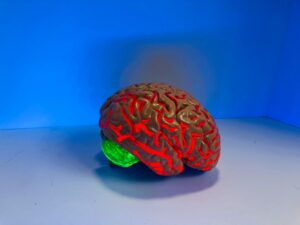

Mental health care is undergoing a profound transformation as new treatment options and advanced technologies reshape the way individuals access support. Traditional methods such as therapy and medication remain essential, yet modern innovation has expanded the range of tools available for those seeking relief from conditions like depression, anxiety, and trauma related challenges. These advancements reflect a broader understanding of how the brain functions and how individualized treatment can improve outcomes. As mental health needs continue to grow worldwide, innovation plays a vital role in providing hope and guiding individuals toward long term healing.
The Evolution of Mental Health Treatment
For decades, mental health care has relied heavily on medication and talk therapy. These approaches have helped countless individuals, but not everyone responds in the same way. Some people experience limited improvement, while others face side effects that make traditional methods difficult. This has led to a renewed focus on expanding treatment options and exploring new ways to support healing.
Recent years have brought significant progress. Advances in neuroscience have deepened understanding of how mental health symptoms develop and how brain activity changes during periods of stress, trauma, or emotional imbalance. As research evolves, clinicians are discovering strategies that target specific regions of the brain and address symptoms more directly. These discoveries form the basis of many innovative treatments now available to individuals seeking alternatives to traditional approaches.
Brain Based Therapies and Their Growing Impact
One of the most promising areas of innovation involves treatments that work by stimulating or influencing brain activity. These therapies aim to help individuals who have struggled with other forms of care and need a new path toward stability. Among these options, TMS treatment in LA stands out as a widely recognized solution for people experiencing treatment resistant depression and related conditions.
Transcranial magnetic stimulation uses targeted magnetic pulses to stimulate areas of the brain associated with mood regulation. This gentle, non invasive approach helps encourage healthier neural activity by promoting positive changes in brain function. Many individuals who do not respond to medication alone find TMS to be a valuable option that offers new possibilities for relief.
How Innovation Supports Personalized Mental Health Care
Every individual’s mental health needs are unique, and innovation has made it easier to tailor treatment plans accordingly. Personalized care has become a defining principle in the next chapter of mental health support. Clinicians can now consider factors such as brain activity patterns, treatment history, lifestyle habits, and individual preferences when recommending care.
Innovative approaches allow for greater flexibility and adaptability. For some individuals, combining a brain based therapy with traditional counseling and lifestyle support results in deeper, more lasting change. For others, breakthroughs occur when they engage with treatments that stimulate neuroplasticity or help reset patterns that have remained resistant for years.
Increasing Access to Modern Mental Health Options
As mental health challenges rise worldwide, access to effective treatment has become increasingly important. One of the greatest strengths of modern innovation is its ability to expand availability. Treatments that were once limited to research environments are now offered in clinics across major cities, giving more individuals the opportunity to explore nontraditional solutions.
Awareness also plays a crucial role. Many people have never heard of brain stimulation therapies or rapid acting interventions until they begin searching for alternative solutions. As clinicians, communities, and mental health organizations share more information about innovative treatments, individuals feel more empowered to ask questions and consider options beyond traditional care.
Looking Ahead: The Future of Mental Health Innovation
The future of mental health care is defined by growth, research, and continued dedication to understanding the complexities of the human mind. Advancements in brain imaging, neurological research, and therapeutic technology will continue to influence how treatments are developed and delivered. Providers will have more tools than ever to personalize care, reduce suffering, and support long term recovery.
As innovation moves forward, compassion and understanding will remain essential. While new therapies offer groundbreaking possibilities, the heart of mental health care lies in supporting individuals with empathy, clarity, and respect. The combination of human connection and scientific progress will shape a future where mental health care is more accessible, effective, and empowering.
Conclusion
Innovation is transforming mental health care by expanding treatment options, improving personalization, and offering new hope to individuals who have not found relief through traditional methods. Modern therapies such as TMS and other emerging approaches demonstrate how neuroscience and technology can work together to support meaningful healing. As research continues and accessibility grows, these advances will play a vital role in shaping a future where mental health care is more effective, compassionate, and responsive than ever before. Through this ongoing transformation, individuals gain access to a broader range of tools that support long term well being and renewed confidence in the possibility of recovery.