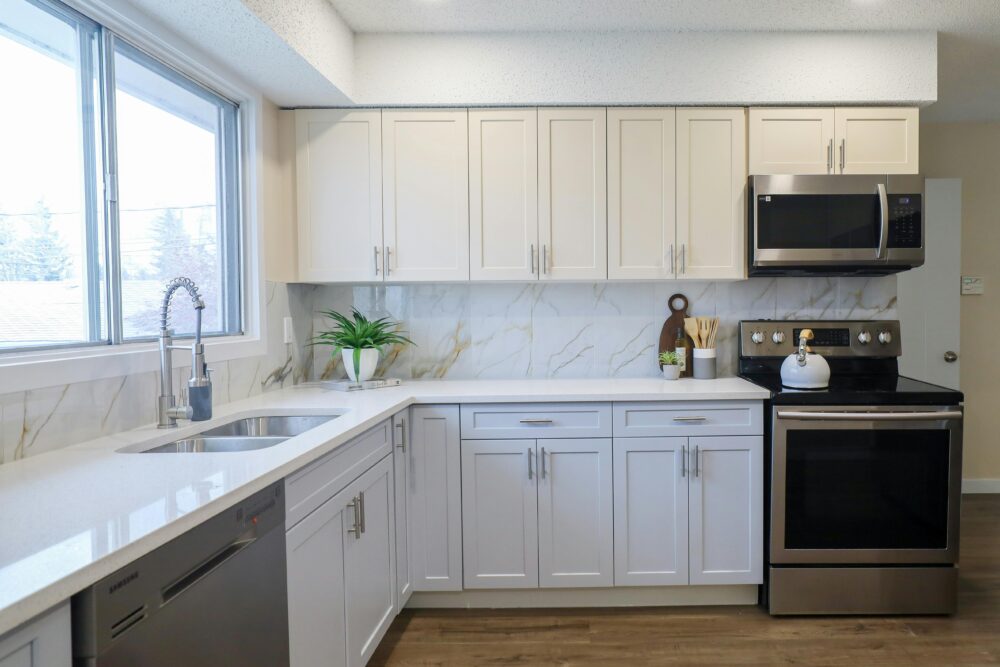

Interior design has shifted from following trends to creating spaces that feel personal, functional, and emotionally resonant. A well designed home does more than look appealing. It supports daily habits, expresses identity, and provides a sense of comfort that goes beyond surface level beauty. Designing with intention means making thoughtful choices that align with how you live and what you value. When every element has purpose, the result feels authentic rather than staged.
Creating an interior that reflects your style does not require starting from scratch or investing in luxury pieces. It begins with awareness. Understanding preferences, routines, and emotional responses to space allows design decisions to feel clear and confident. Intentional interiors come together when aesthetics, function, and individuality work in harmony.
Defining Your Personal Design Language
Before selecting furniture or paint colors, it is essential to define your personal design language. This includes understanding what styles resonate with you and why. Some people are drawn to clean lines and minimal details, while others prefer layered textures and rich color. Neither approach is right or wrong. What matters is alignment with your personality and lifestyle.
Start by noticing spaces where you already feel comfortable. These might be rooms in your own home, places you have visited, or images that consistently catch your attention. Look for patterns in color, materials, and layout rather than focusing on specific products. This helps clarify the underlying elements that create a sense of belonging.
Documenting these preferences provides a reference point for future decisions. A defined design language acts as a guide, preventing impulsive choices that may not fit the overall vision. With clarity, the process becomes more intuitive and less overwhelming.
Designing Around How You Live
A truly intentional interior responds to daily life. Consider how each space is used throughout the day and who uses it. A room designed purely for appearance can quickly become frustrating if it does not support real world needs. Function should always inform form.
For example, a living area where people gather frequently benefits from durable materials and flexible seating. A home office requires thoughtful lighting and storage to support focus. Storage solutions should reflect actual habits rather than idealized routines. When design supports behavior, the space feels effortless and welcoming.
This approach also allows style to evolve naturally. As routines change, thoughtful design makes it easier to adapt without constant renovation. Practicality strengthens the emotional connection to a space because it consistently meets expectations.
The Role of Materials and Texture in Expression
Materials play a powerful role in shaping how a space feels. Texture, weight, and finish influence both visual appeal and sensory experience. Natural materials such as wood, stone, and linen often create warmth and calm, while metals and glass can add structure and contrast.
Choosing materials intentionally means thinking beyond appearance. Consider how surfaces feel to the touch, how they age, and how they interact with light. These qualities contribute to the overall mood of a space and affect how it is experienced over time.
Texture also allows subtle expression without overwhelming the room. Layering soft and structured materials introduces depth while maintaining cohesion. This balance helps interiors feel complete and inviting, even when the color palette remains restrained.
Collaboration as a Path to Clarity
While some homeowners enjoy handling every detail themselves, collaboration can enhance intentional design. Working with professionals offers perspective, efficiency, and access to resources that may not be obvious initially. Experienced designers understand how to translate abstract preferences into tangible results.
Local expertise can be especially valuable. Professionals familiar with regional architecture and climate often provide insights that improve long term functionality. Whether consulting Aspen architects or those in your area, knowledgeable guidance helps align structural decisions with interior goals.
Collaboration does not mean giving up creative control. Instead, it creates a dialogue where ideas become clearer and more refined. The result is a space that maintains individuality while benefiting from technical expertise and thoughtful planning.
Allowing Space for Meaning and Growth
Intentional interiors leave room for change. A home that reflects style should also support growth and new experiences. This means resisting the urge to fill every corner immediately. Negative space allows design elements to breathe and provides flexibility over time.
Meaningful objects often develop organically. Art collected during travel, heirlooms, and handmade items add authenticity that cannot be replicated by trend based decor. Integrating these pieces requires patience and discernment, but they often become the soul of a space.
Designing with intention encourages a slower approach. Instead of rushing toward completion, it values thoughtful evolution. This perspective reduces waste and promotes lasting satisfaction.
Conclusion
Designing a space that reflects your style begins with intention and self awareness. By defining your design language, prioritizing function, choosing materials thoughtfully, and remaining open to collaboration and growth, interiors become more than visually pleasing environments. They transform into spaces that support well being and express identity with confidence. Intentional interiors offer a lasting connection between home and inhabitant, creating rooms that feel both personal and purposeful.