
Photo from Pexels
Starting your own gym is one of those ventures that gets your heart racing, and not just from the workout equipment. The fitness industry’s experiencing remarkable momentum right now, with wellness climbing higher on everyone’s priority list. But here’s the thing: opening a successful gym takes considerably more than enthusiasm and a room full of weights. You’ll need to develop a rock-solid business plan, navigate the maze of legal requirements, and craft a brand identity that actually resonates with people. From securing funding to designing your space, every decision shapes whether your gym becomes the neighborhood hotspot or just another closed storefront. This guide breaks down the essential groundwork you’ll need to complete before unlocking those doors for the first time.
Developing Your Business Plan and Financial Strategy
Think of your business plan as your gym’s blueprint, without it, you’re essentially building on quicksand. This document isn’t just paperwork for the bank; it’s your roadmap for making smart decisions when things get complicated. Start with thorough market research that goes beyond guessing, who exactly wants to work out in your area? What’s the competition offering, and where are they falling short? Your financial projections need to be honest, almost brutally so. Starting a small studio might run you around $50, 000, while a full, service facility could easily top $500, 000 when you factor in equipment, lease deposits, renovations, and those first few months of expenses.
Securing the Right Location and Facility
Location isn’t everything in real estate, it’s the only thing. Your gym could have the best equipment in town, but if nobody can find you or parking’s a nightmare, you’re fighting an uphill battle. Scout locations with serious foot traffic visibility, ample parking, and proximity to where your target members live or work. The neighboring businesses matter too, a gym next to a juice bar or physical therapy office? That’s synergy.
Equipment Selection and Layout Design
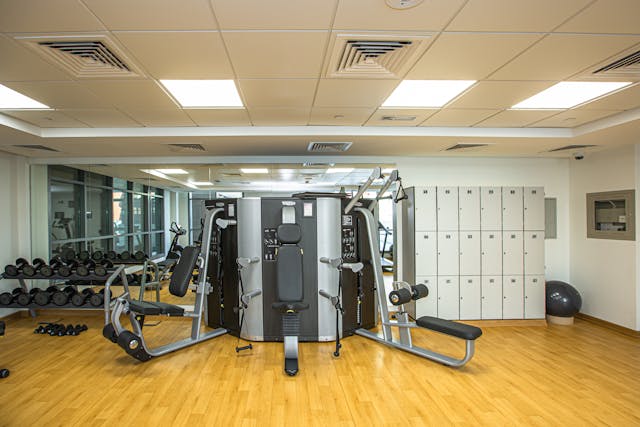
Choosing equipment feels exciting until you realize you’re making decisions worth hundreds of thousands of dollars. Balance is key, you need to meet member expectations without blowing your budget or cramping your space. First, define your gym’s personality. Are you going heavy on strength training? Cardio-focused? Functional fitness? Your equipment mix should reflect that identity.
Navigating Legal Requirements and Insurance
Legal compliance might not be glamorous, but cutting corners here can destroy your business faster than anything else. Your business structure matters more than you might think, LLC, corporation, sole proprietorship, or partnership each carries different implications for personal liability, taxes, and flexibility. Talking with a business attorney isn’t optional; it’s essential. Licensing requirements vary wildly by location, but expect to need a general business license, health department permits, building permits for any renovations, and possibly fitness-specific certifications. Planning to hire staff? Employment law gets complicated quickly. Are they employees or independent contractors? What about workers’ compensation? Are you handling wage and hour regulations correctly? Now for the big one: insurance. The fitness industry carries inherent risks, people push their bodies, equipment malfunctions happen, accidents occur. When operating a fitness facility, gym liability insurance protects against claims arising from member injuries, equipment malfunctions, and premises-related accidents. You’ll also need property insurance covering equipment and facility damage, plus professional liability for training services. Many owners add business interruption insurance too, protecting income during unexpected closures. Those liability waivers members sign? They provide some protection but don’t replace proper insurance coverage. Work with an insurance specialist who truly understands fitness industry risks, they’ll ensure your coverage matches your specific operation’s needs.
Building Your Team and Establishing Operations
Your staff can make or break your gym’s reputation, they’re the human face of your brand. Personal trainers need legitimate certifications from recognized organizations like NASM, ACE, or ISSA. These credentials prove they understand exercise science, proper form, and safety protocols. Front desk staff are your first impression, so they need exceptional customer service skills, basic fitness knowledge, and comfort with membership software.
Creating Your Brand and Marketing Strategy
Your brand is more than a logo and color scheme, it’s the entire experience people associate with your gym. Everything from your name to your messaging should align with who you’re trying to attract. What’s your story? Why did you open this gym? What values drive your decisions? Whether you’re building a tight-knit community vibe, showcasing cutting-edge technology, offering specialized programs, or providing luxury amenities, your brand should communicate that clearly. Start marketing before opening day.
Preparing for Technology and Member Experience
Modern gyms run on technology, it’s not optional anymore, it’s foundational. Membership management software centralizes critical functions: enrollment, payment processing, attendance tracking, and automated member communications about schedules, promotions, or billing. Access control systems using key cards, fobs, or smartphone apps provide security while generating valuable data about usage patterns and peak times. Consider fitness tracking technology that lets members monitor workouts, set goals, and track progress, it creates engagement that keeps them coming back.
Conclusion
Opening a gym demands serious commitment across multiple business dimensions, from financial planning and facility selection to legal compliance and marketing execution. Success in this competitive industry requires more than loving fitness, it needs strategic thinking, business savvy, and relentless focus on delivering exceptional member experiences. By thoroughly addressing each component outlined here, from securing proper insurance and hiring qualified staff to implementing effective technology and building a compelling brand, you’re setting your gym up for sustainable growth. Remember, opening day is just the starting line, not the finish.