
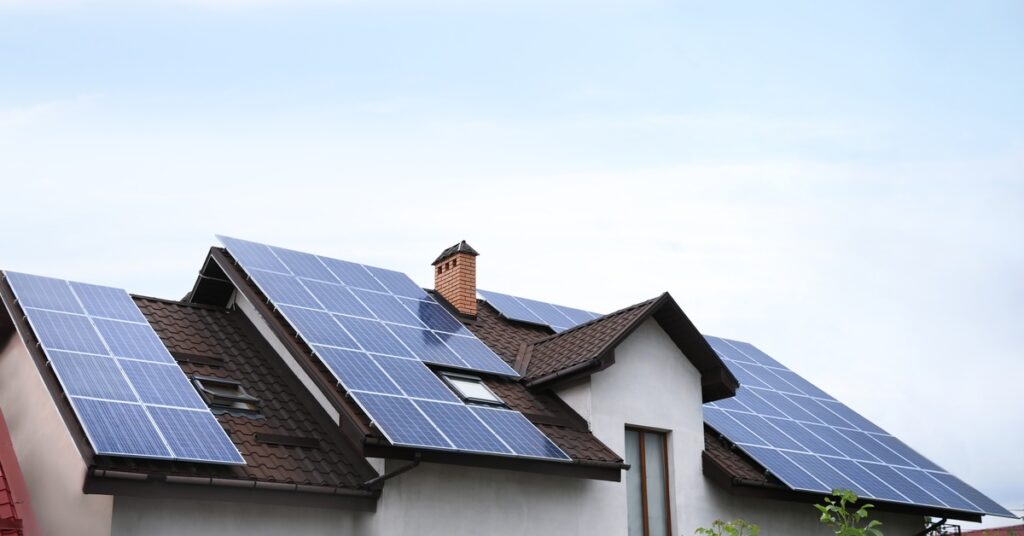
Homeowners who consider solar energy often focus on the long-term savings, but upfront pricing varies widely. Understanding the key factors influencing solar panel costs helps you set realistic expectations and make informed decisions.
System size, equipment quality, labor requirements, roof characteristics, and local policies all shape the final investment. When you evaluate each component carefully, you gain a clearer picture of how installers calculate estimates and where you can adjust choices to meet your budget.
System Size and Energy Needs
Your household’s energy consumption directly affects system size, and system size plays a major role in overall cost. If your home uses more electricity, installers design a larger system with more panels to meet that demand. Larger systems require additional equipment, mounting hardware, and labor time.
While the cost increases with size, the price per panel may decrease slightly because installers spread certain fixed expenses across more units. Accurately assessing your energy usage ensures you avoid overspending on unnecessary capacity or installing a system that fails to meet your household’s electricity needs.
Equipment Quality and Technology
Panel efficiency, inverter type, and mounting components all influence total cost. High-efficiency panels typically carry a higher price tag, but they generate more power in limited space.
Inverters convert solar energy into usable electricity, and premium models often offer better performance monitoring and durability. Even the racking system matters, as sturdier materials improve long-term reliability. When comparing quotes, you should weigh performance, warranty coverage, and expected lifespan alongside the initial expense.
Roof Type and Installation Complexity
When comparing costs, it’s important to understand what type of roof is best for solar panels. Your roof’s structure significantly affects installation difficulty and labor costs. Steep slopes, multiple angles, or limited space can increase installation time.
Roofing materials also matter because some surfaces require specialized mounting techniques. Installers often recommend simple, durable materials with minimal obstructions. Asphalt shingle roofs typically allow straightforward installations, while tile or metal roofs may require extra care. The condition and age of your roof can also add expenses if repairs or reinforcements become necessary before installation.
Labor, Permits, and Local Policies
Labor rates vary by region, and local permitting requirements often increase administrative costs. Installers must secure approvals, coordinate inspections, and comply with building codes. In some areas, utility interconnection processes involve additional steps that increase timelines and expenses.
Incentive programs, tax credits, and rebates can offset a portion of the total price, but availability depends on location. These regional differences create noticeable price variations between otherwise similar systems.
Long-Term Value Considerations
While upfront cost remains important, you should also consider durability, maintenance needs, and warranty protection. Investing in reliable equipment and professional installation often reduces future repair expenses. By carefully reviewing the key factors influencing solar panel costs, you can balance affordability with performance and choose a system that delivers lasting value.