Interior design shapes the way people live within their homes, yet it often receives attention only after problems arise. Many homeowners focus on décor or trends, while the deeper structure of layout, proportion, and purpose remains overlooked. A functional home does not happen through chance but through deliberate design choices that shape daily routines.
Every room serves a purpose beyond visual appeal, and thoughtful design ensures that purpose comes to life with clarity and comfort. When rooms lack order, even beautiful spaces feel tense, crowded, or underused. Interior design provides the framework that supports comfort, efficiency, and harmony throughout the entire home.
A well-designed home reflects the needs, habits, and priorities of the people who live there. It balances aesthetics with usability so that beauty never interferes with comfort or practicality. Learning why interiors design is the base of a functional home will ensure you create a space that reflects your personality and efficiency.
Purpose Defines Every Room
Every room must serve a clear purpose before furniture or décor enters the space. When purpose leads design decisions, each element supports daily life instead of distracting from it. This clarity prevents clutter and allows the room to function with ease and order.
A living room may host conversation, rest, or family time, yet its layout must reflect those specific needs. Thoughtful design ensures that seating, lighting, and surfaces support those tasks without conflict. When purpose remains central, the room feels intuitive and comfortable for every occupant.
Layout Shapes Daily Movement
The layout of a home determines how people move from one space to another throughout the day. Clear paths reduce frustration and help routines flow with natural rhythm. Interior design considers these patterns before any decorative choice takes place.
Poor layout creates obstacles that disrupt comfort and waste time during simple tasks. Furniture placed without intent can block access and limit usability. With thoughtful spatial planning, a home supports daily habits with quiet efficiency and calm structure.
Furniture Placement Supports Flow
Furniture placement affects how easily people interact within a room and how freely they move through it. Balanced arrangements allow conversation, relaxation, and access without strain. When each piece has a defined location, the room feels cohesive and welcoming.
With thesetips on arranging furniture for a better flow, you can create a space that supports movement, comfort, and clear visual balance. Thoughtful placement reduces tension and encourages natural interaction among family and guests. The result is a room that feels open, purposeful, and easy to use.
Lighting Enhances Function and Mood
Lighting does more than brighten a room; it shapes mood, focus, and safety. Proper placement of fixtures ensures that tasks such as reading or cooking occur with comfort and precision. Layered light sources create depth while also supporting practical needs.
Natural light also plays a central role in functional design. Window treatments should allow light control without blocking access or view. When light receives careful attention, rooms feel balanced and usable at any hour of the day.
Storage Protects Order and Clarity
A functional home requires storage that matches the lifestyle of its residents. Without adequate storage, even well-designed rooms fall into disorder. Interior design anticipates storage needs before clutter becomes a problem.
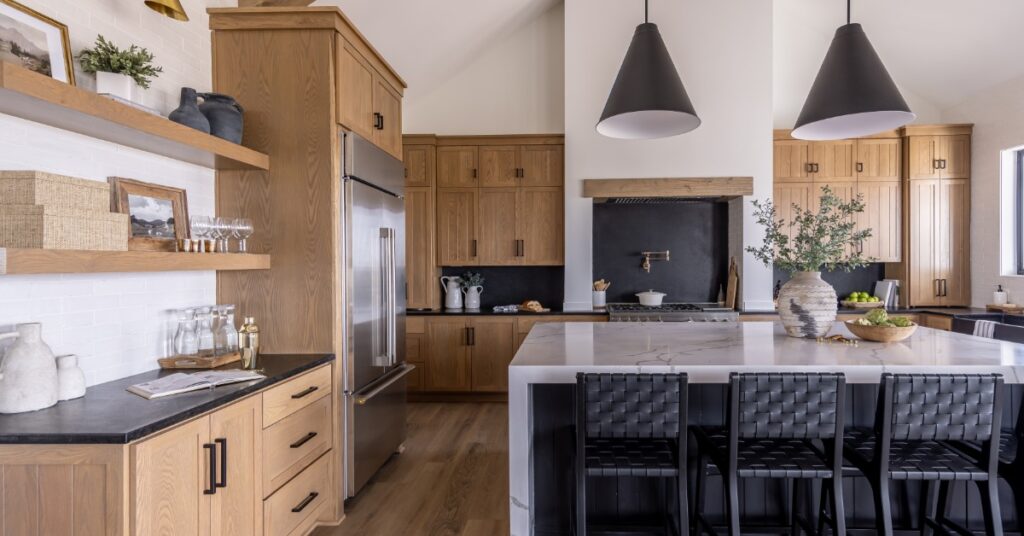
Cabinetry, shelving, and concealed compartments maintain visual calm while supporting daily use. When items have designated places, cleanup becomes simple, and stress decreases. Effective storage design preserves both aesthetics and practicality within every room.
Color Influences Behavior and Comfort
Color choices affect mood, perception of space, and emotional response within a home. Neutral tones often create calm, while deeper shades add warmth and depth. Interior design uses color to support the intended purpose of each room.
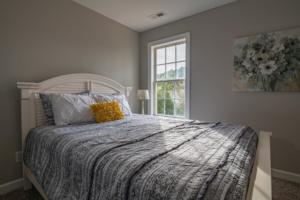
A home office may benefit from tones that promote focus and clarity. A bedroom may use softer hues that support rest and relaxation. Through intentional color selection, design enhances comfort and aligns atmosphere with function.
Materials Affect Durability and Ease
Materials determine how well a home withstands daily use over time. Durable surfaces resist wear and reduce maintenance demands. Interior design considers lifestyle before selecting finishes for floors, counters, and upholstery.
Families with children or pets require materials that endure heavy use without rapid deterioration. Smooth surfaces may simplify cleaning and preserve visual appeal. When materials match practical needs, the home remains functional and attractive for years.
Scale and Proportion Maintain Balance
Scale and proportion ensure that furniture and décor fit harmoniously within each room. Oversized pieces overwhelm space, while undersized items create imbalance. Interior design evaluates dimensions carefully before placement.
Balanced proportions allow rooms to feel neither crowded nor empty. Proper scale supports comfort and visual coherence. When each element aligns with the room size, the home feels structured and thoughtfully composed.
Flexibility Adapts to Change
Interior design is the base of a functional home, and it must adapt as life evolves over time. Families grow, work patterns shift, and new needs emerge. Interior design anticipates change through flexible layouts and multipurpose spaces.
Movable furniture and adaptable rooms allow for future adjustments without major renovation. A guest room may convert into a workspace when necessary. Flexibility ensures that the home continues to serve its residents through each stage of life.
Cohesion Connects Every Space
Cohesion links individual rooms into a unified home experience. Consistent design elements create continuity from one space to another. Interior design establishes this harmony through repeated colors, materials, and forms.
Without cohesion, a home feels fragmented and unsettled. Thoughtful transitions between rooms promote calm and clarity. When spaces relate to each other, the entire home functions as a connected and purposeful environment.
Comfort Grounds Practical Design
Comfort remains the final measure of functional interior design. A home must support physical ease as well as emotional well-being. Furniture, temperature control, and layout all influence this sense of comfort.
When comfort aligns with organization and purpose, residents feel supported within their environment. Interior design weaves these elements into a stable foundation. The result is a home that serves daily life with quiet strength and dependable structure.
Interior design forms the base of a functional home because it shapes how every element works together. From layout and storage to light and material, each decision affects daily experience in subtle yet powerful ways. A well-designed home does not rely solely on decoration but on thoughtful structure.
When interior design leads the planning process, rooms support routine instead of obstructing it. Clear purpose, balanced scale, and adaptable spaces allow households to thrive with comfort and order. Through deliberate choices, design transforms houses into homes that function with clarity and grace.