
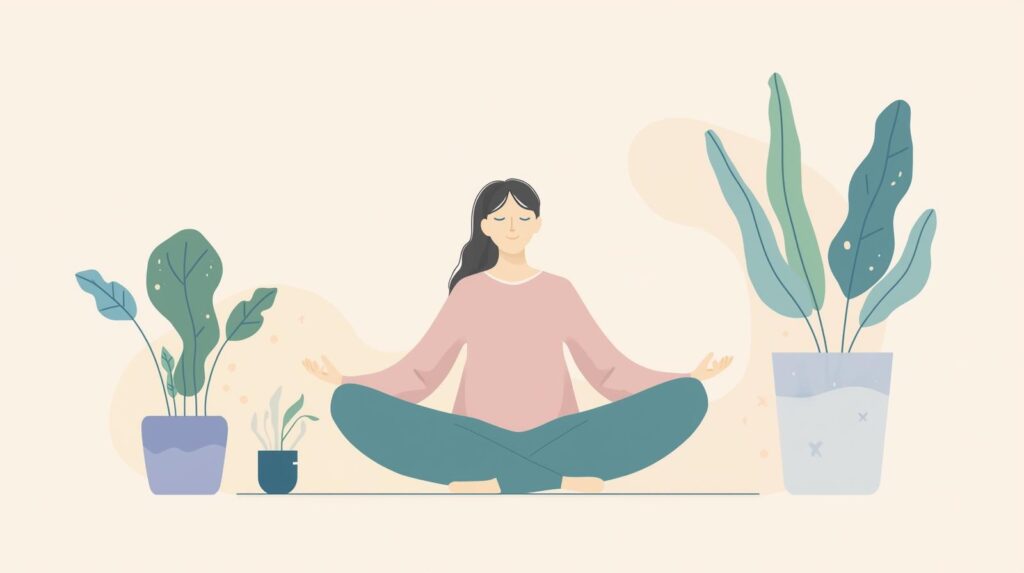
People often focus on physical health when they think about wellness; things like exercise, healthy food, and sleep usually get the most attention.
But mental health deserves to have the same level of care as these. Your thoughts, emotions, and stress levels influence how you move through every single day. When your mental health feels stable, daily challenges feel and are more manageable.
When it feels neglected, every small problem can sometimes feel as though it is completely overwhelming. The good news is that supporting your mental health doesn’t always mean that you have to have dramatic life changes; small habits and consistent support can make a lasting difference.
Let’s have a look at some of the ways that people can strengthen their mental well-being as part of their everyday routine.
Daily Habits Shape Your Mental Well-Being
Mental health improves through consistent routines. Simple daily habits help regulate mood and reduce stress. Spending time outdoors, taking short breaks during work, and limiting screen time before bed can all improve how your mind processes stress.
Movement also plays a really important role; a walk, stretching, or any form of exercise can help to release tension that has built up during the day. Physical activity encourages the body to produce chemicals that support a more stable mood.
Sleep is another essential factor; when you consistently get enough rest, your mind can process emotions and recover from daily stress. These habits might seem really small, but together they create a strong foundation for emotional well-being.

Photo by Emma Simpson on Unsplash
Support Matters When Challenges Become Overwhelming
There are times when daily habits are just not enough. Stress, anxiety, burnout, or personal struggles can become difficult to manage alone. In those moments, professional support can give you the guidance and structure that you need.
If you’re considering treatment, centers such as Legacy Healing Center offer programs designed to help individuals address their mental health and recovery challenges in a really supportive environment. Professional care allows people to work through underlying issues as well as develop tools that are going to help them maintain long-term wellness.
Protecting Your Energy at Work and at Home
Modern lifestyles often blur the boundaries between work and personal time. Remote work, busy schedules, and constant digital communications make it easy for stress to follow you throughout the day. Without having clear boundaries in place, mental fatigue can quickly build up. Creating space between work and personal life means that you will be able to look after your well-being and protect it.
This might include setting clear hours, taking breaks away from screens, or dedicating time to hobbies and relationships. Many people focus on improving their work-life balance so that they can remain productive without sacrificing their mental health. When your time and energy feel balanced, both work and personal life become a lot easier for you to manage.
Conclusion
Mental health plays a central role in how you experience every single day. When you prioritize your healthy routine, seek support during difficult times, and try to maintain a balance between work and personal life as much as you can, your overall well-being slowly improves.
Taking care of your mind is not something that should be considered a luxury; it is a necessary part of living a healthy and fulfilling life.