Upgrading an older home is both an exciting opportunity and a meaningful investment. Many older properties offer charm, character, and craftsmanship that newer builds often lack, but they may also come with outdated layouts, aging systems, and design elements that no longer meet modern expectations. Whether the goal is improved comfort, increased resale value, or simply a refreshed aesthetic, thoughtful upgrades can transform an aging home into a space that feels current, functional, and inviting. Understanding where to focus your efforts—and how to balance preservation with modernization—can help you make the most of your renovation journey.
Enhancing Structural Integrity and Efficiency
Before diving into cosmetic updates, it’s essential to evaluate the structural and mechanical components of an older home. Electrical wiring, plumbing, roofing, and insulation often require attention long before design choices come into play. Addressing these foundational elements ensures safety, improves energy efficiency, and prevents costly issues down the road.
Homeowners often begin with insulation upgrades, window replacements, and HVAC improvements to reduce energy consumption and enhance comfort. These changes may not be immediately visible, but they significantly impact long-term livability. Additionally, updating electrical panels and wiring allows you to safely incorporate modern appliances, lighting, and smart‑home features. Prioritizing these core improvements creates a solid base for all other upgrades.
Modernizing Interior Layouts and Flow
Many older homes were built with compartmentalized layouts that can feel restrictive by today’s standards. Opening up key areas—such as combining the kitchen, dining, and living spaces—can dramatically improve flow and functionality. Removing non‑load‑bearing walls, widening doorways, or reconfiguring room placements can make the home feel larger and more cohesive.
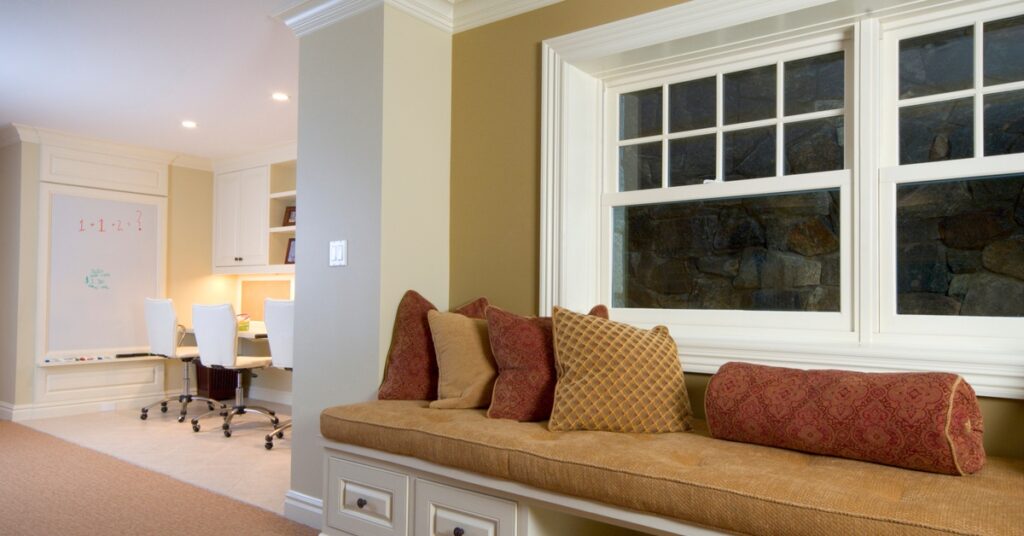
In some cases, homeowners choose to add or repurpose rooms to better suit contemporary lifestyles. Converting unused spaces into home offices, expanding primary suites, or creating multi‑purpose family areas can bring new life to an outdated floor plan. These changes not only enhance daily living but also increase the home’s appeal to future buyers who value flexible, open spaces.
Updating Design Elements for a Fresh Look
Cosmetic upgrades are often the most enjoyable part of renovating an older home. Thoughtful design choices can highlight the property’s original charm while introducing modern style. Refinishing hardwood floors, restoring vintage trim, or preserving architectural details helps maintain character, while updated paint colors, lighting fixtures, and hardware bring a contemporary touch.
Kitchens and bathrooms typically offer the greatest return on investment. Installing new cabinetry, countertops, and tile can instantly elevate these spaces. Even small changes—such as updated faucets, mirrors, or lighting—can make a noticeable difference. For homeowners looking to blend old and new, transitional design elements provide a balanced aesthetic that respects the home’s history while embracing modern trends.
Incorporating Modern Features and Architectural Enhancements
Beyond surface‑level updates, architectural enhancements can dramatically transform an older home’s appearance and functionality. Adding skylights, expanding windows, or installing glass doors can increase natural light and create a more open feel. Exterior improvements—such as updated siding, fresh landscaping, or a redesigned entryway—can also enhance curb appeal.
Inside the home, integrating contemporary architectural features can create a striking visual impact. For example, introducing a modern luxury staircase design can serve as a focal point that elevates the entire interior. These types of enhancements blend aesthetics with functionality, offering a fresh, sophisticated look while improving the home’s overall flow. When thoughtfully executed, such upgrades complement the home’s existing structure rather than overshadowing it.
Preserving Character While Embracing Modern Living
One of the most rewarding aspects of upgrading an older home is the opportunity to preserve its unique character. Original moldings, built‑ins, fireplaces, and other historic features can be restored and showcased as part of the home’s identity. At the same time, modern conveniences—such as smart thermostats, updated lighting systems, and improved storage solutions—can be seamlessly integrated to support contemporary living.
Striking the right balance between preservation and modernization requires careful planning. Homeowners should identify which elements are worth saving and which are better replaced. This thoughtful approach ensures that the home retains its charm while meeting today’s standards for comfort, efficiency, and style.
Conclusion
Upgrading an old home is a chance to blend history with modern comfort, creating a space that honors the past while embracing the future. By focusing on structural improvements, reimagining interior layouts, updating design elements, and incorporating thoughtful architectural enhancements, homeowners can transform aging properties into beautiful, functional living spaces. With the right vision and planning, an older home can become a timeless, personalized retreat that continues to evolve with your needs and lifestyle.