
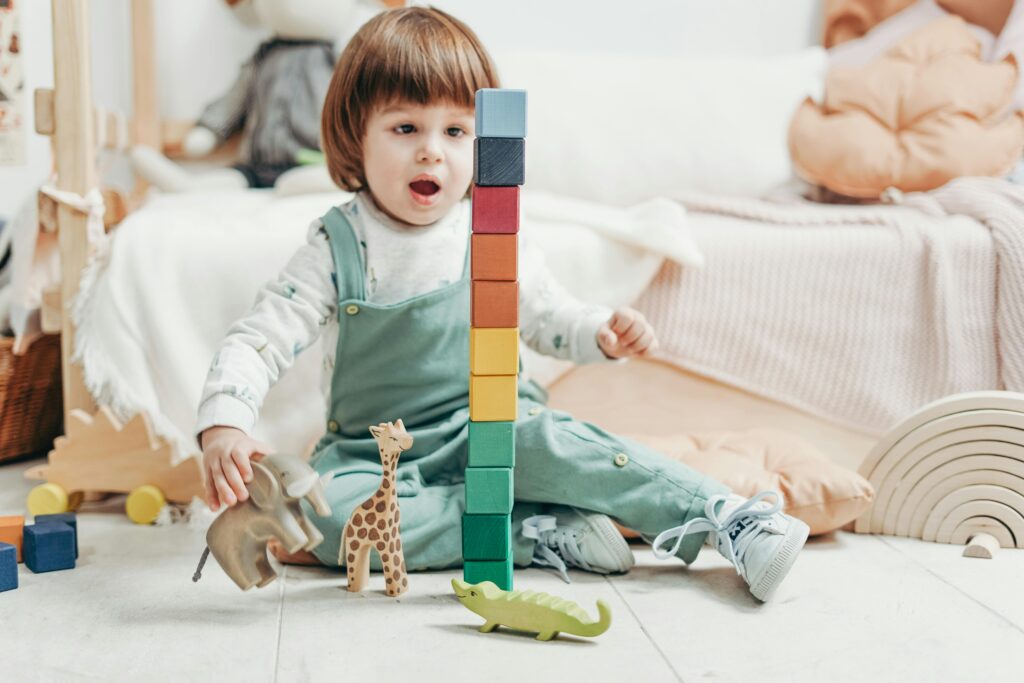
A playroom is meant to inspire creativity, imagination, and hours of fun. Yet without a plan for managing the constant flow of toys, games, and craft supplies, it can quickly turn into a cluttered and overwhelming space. Parents often find themselves struggling to maintain order while still giving children the freedom to explore and play. A well organized playroom supports both structure and spontaneity, and it creates a space where kids can enjoy their belongings and learn responsibility along the way. With the right strategy, you can transform the playroom into a place that feels cheerful, functional, and easy to maintain.
Creating a Layout That Supports Easy Cleanup
A thoughtful layout is the foundation of an organized playroom. Children are more likely to tidy up when storage is simple and within reach. Open shelving, labeled bins, and low bookcases allow kids to see where everything belongs. When toys have a consistent home, cleanup becomes faster for everyone.
Dividing the room into zones can also help reduce daily chaos. Designate one area for imaginative play, another for books and quiet time, and a separate spot for crafts or building toys. This separation encourages children to focus on one type of play at a time, which naturally limits clutter during the day. It also makes it easier to reset the room in just a few minutes.
Be sure to leave open floor space that allows kids to spread out comfortably. A playroom that feels balanced and visually calm makes it easier to think clearly and enjoy activities without distraction.
Streamlining the Toy Collection With Regular Rotation
Toy rotation is one of the most effective strategies for maintaining an organized playroom. Instead of keeping every toy accessible at all times, place a portion of the collection in storage and rotate items every few weeks. This keeps children interested in what they already own and prevents the playroom from becoming overcrowded.
This method also helps you evaluate which toys are being used and which are rarely touched. If a toy goes through several rotations without being chosen, that may be a sign that it is time to donate, store as a keepsake, or even sell your toys through a trusted local or online platform. Removing unused items opens space for the toys children genuinely enjoy and reduces the stress of managing clutter.
A rotation schedule can be as flexible as you need. Some families prefer switching toys monthly, while others rotate seasonally. The goal is to support variety without overwhelming the room.
Choosing Storage Solutions That Fit Your Family’s Needs
High quality storage plays a significant role in creating a system that lasts. Clear bins allow you to see contents quickly, while labeled containers give kids direction and reinforce organizational habits. Picture labels are especially useful for younger children who cannot read yet but can identify images.
Furniture with built in storage, such as benches with cubbies or tables with drawers, adds functionality without crowding the space. Soft baskets work well for plush toys, while stackable bins are ideal for building blocks, puzzles, and small accessories. Consider using color coded storage to help children easily identify which items belong in each section.
Vertical space is often overlooked but extremely valuable. Wall mounted shelves, pegboards, and hanging organizers keep supplies accessible and free up floor area. When every item has a designated spot, the playroom becomes easier to maintain and feels more open and inviting.
Teaching Children Responsibility Through Simple Systems
One of the most powerful benefits of a well organized playroom is the opportunity it creates to teach kids responsibility. Simple cleanup routines establish habits that extend beyond the playroom and into daily life. Begin by showing children how to put toys away and explaining why it matters. Even young toddlers can participate by placing items in open bins.
Make cleanup part of the regular routine rather than an occasional chore. A five minute tidy before meals or bedtime keeps clutter from piling up and signals the transition to other activities. Turning cleanup into a game or playing upbeat music can help make the process enjoyable rather than stressful.
Providing structure without perfection gives kids ownership of their space. They learn to take care of their belongings, value what they have, and feel proud of the role they play in keeping the room tidy.
Maintaining Organization With Consistent Review
A playroom that stays organized over time requires periodic attention. Kids grow quickly, interests shift, and toys that were once favorites can lose their appeal. Reviewing the space every few months allows you to remove broken items, donate toys that no longer fit their age range, and update storage as needed.
Seasonal reviews also make it easier to prepare for birthdays or holidays when new items arrive. Keeping the collection manageable ensures that the playroom remains enjoyable rather than overwhelming. Children participate more easily in cleanup when the overall volume of toys feels reasonable.
You do not need to aim for perfect minimalism. The goal is to create a space that supports creativity, feels comfortable, and is manageable for your family’s lifestyle.
Conclusion
A well organized playroom helps children enjoy their space while giving parents peace of mind. With a thoughtful layout, intentional rotation, smart storage choices, and consistent habits, the playroom can remain both functional and fun. Small adjustments lead to long lasting improvements, and the benefits reach far beyond daily cleanup. By creating a space that encourages responsibility, inspires imagination, and feels effortless to maintain, you set the stage for a playroom that truly supports your family’s needs.