
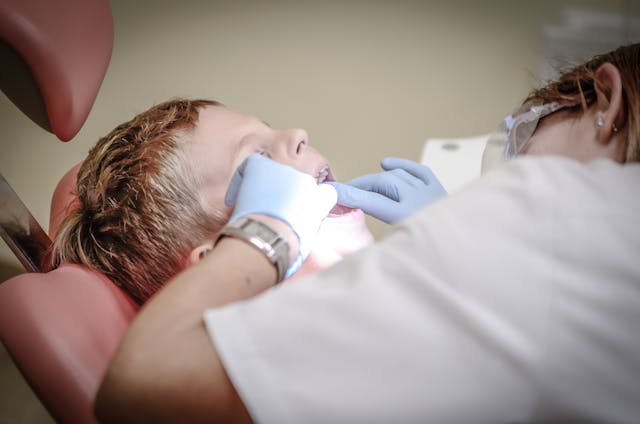
Photo Source: Pexels
A child’s first dental visit is a meaningful milestone that sets the foundation for lifelong oral health. For many parents, this appointment comes with questions about what to expect, when to schedule it, and how to prepare their child for a positive experience. The first checkup is not only an opportunity to evaluate the health of emerging teeth but also a chance to build trust, comfort, and confidence within the dental setting.
Understanding the Purpose of the First Visit
The American Academy of Pediatric Dentistry recommends scheduling a child’s first dental appointment by their first birthday or within six months of the first tooth appearing. This early start helps ensure that teeth and gums are developing properly while offering parents guidance on daily care. During the first visit, the dentist typically performs a gentle examination to check for early signs of decay, teething patterns, and overall oral health.
This appointment also allows families to ask questions about best practices for brushing, feeding habits, and thumb sucking. Establishing care early ensures that parents receive accurate information tailored to their child’s needs rather than relying on general advice or assumptions.
Choosing the Right Dental Provider
Selecting a dentist who works specifically with infants and children can make a significant difference in the experience. Pediatric dentists receive specialized training in child development, behavior, and dental growth, which equips them to provide age-appropriate care. Families may choose a provider close to home, such as a pediatric dentist in San Diego, or another nearby city depending on what fits their needs.
An ideal office environment is one that feels welcoming, calm, and engaging for young patients. Many pediatric dental practices offer kid friendly decor and a warm staff who understand how to ease a child’s nerves. Parents should feel encouraged to schedule a preliminary visit or phone consultation to ensure the practice aligns with their expectations for communication and care.
Preparing Your Child for the Appointment
Preparation can significantly influence the success of a child’s first dental checkup. Even at a young age, children respond well to gentle explanations and encouragement. Parents can describe the visit in simple terms, practice opening wide like at the dentist, or read picture books that introduce dental care in a friendly way.
Timing also matters. Scheduling the appointment during a well-rested part of the day, such as after a morning nap, helps ensure the child is calm and comfortable. Bringing a favorite comfort item like a blanket or small toy can further support a positive experience.
Parents should also complete any required forms in advance and arrive a few minutes early to reduce stress. This helps create a smooth transition from arrival to examination.
What Happens During the Checkup
The first dental visit is typically brief and focused on evaluation and prevention. The dentist will gently inspect the teeth, gums, bite, and oral tissues while explaining each step to the parent. If necessary, a soft toothbrush cleaning or fluoride application may be performed. Most dentists encourage parents to hold their child during the examination to help them feel secure.
Beyond the basic exam, the dentist will discuss feeding practices, oral hygiene routines, fluoride needs, and the role of diet in dental health. They may also demonstrate brushing techniques or provide guidance on common habits such as thumb sucking or pacifier use.
Parents should feel comfortable asking questions throughout the visit. No concern is too small, and the purpose of this appointment is to build understanding and confidence.
Establishing Ongoing Dental Habits
Following the first checkup, children should continue to visit the dentist every six months unless otherwise recommended. Consistent care helps monitor dental development and ensures that early concerns are addressed before they become larger issues. Between visits, parents can reinforce healthy habits by brushing twice a day with a small smear of fluoride toothpaste and helping their child floss once teeth begin touching.
Nutrition also plays a significant role in oral health. Limiting sugary snacks and drinks, offering water throughout the day, and encouraging balanced meals help prevent cavities. Creating a daily routine around oral care and modeling these behaviors supports long term success.
Conclusion
A child’s first dental checkup is an important step toward creating a lifetime of healthy smiles. By choosing the right provider, preparing thoughtfully, and focusing on positive habits, parents can make this milestone both meaningful and enjoyable. With early guidance and consistent care, children gain the foundation they need for confident and lasting oral health.