
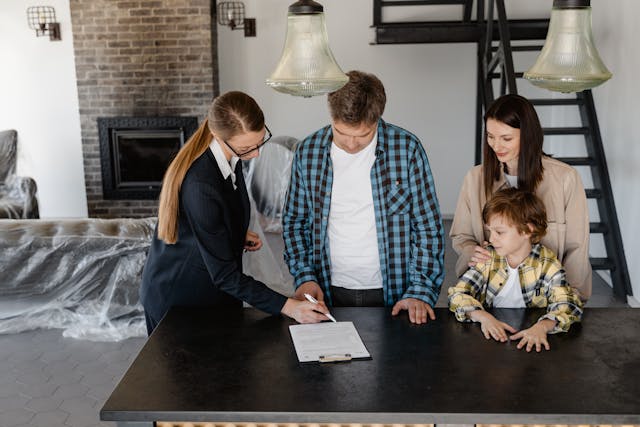
Photo from Pexels
Building your dream home ranks among life’s most significant investments and genuinely rewarding experiences. Unlike purchasing an existing property, constructing a custom home lets you create a living space that’s perfectly tailored to your lifestyle, preferences, and future needs. That said, the process demands careful planning, informed decision-making, and attention to countless details that’ll impact your daily life for years to come. This comprehensive guide walks you through the essential steps and considerations for building a home that truly reflects your vision while ensuring quality, functionality, and lasting value.
Establishing Your Vision and Budget
Before breaking ground, you’ll need a crystal-clear understanding of what you want and what you can realistically afford. Start by creating a detailed wish list that includes the number of bedrooms and bathrooms, desired square footage, architectural style, and special features like home offices, outdoor living spaces, or smart home technology. Think about your long-term needs, potential family growth, aging-in-place features, or resale value down the road. Once you’ve outlined your vision, establish a realistic budget that accounts for land acquisition, construction costs, permits, utilities, landscaping, and crucially, a contingency fund of at least fifteen to twenty percent for unexpected expenses.
Selecting the Right Location and Land
The location of your home will significantly impact your quality of life, property value, and even construction costs. Research neighborhoods carefully, considering factors like school districts, commute times, nearby amenities, future development plans, and overall community character. When evaluating potential building sites, examine the topography, soil conditions, drainage patterns, and access to essential utilities like water, sewer, electricity, and high-speed internet. Here’s something many first-time builders don’t realize: a flat, well-drained lot with existing utility connections will generally be far less expensive to develop than sloped terrain requiring extensive grading or properties needing well and septic systems. Additionally, you’ll want to review local zoning regulations, building codes, and any homeowners’ association restrictions that might limit your design options or intended use of the property. Conduct thorough due diligence, including soil tests, surveys, and title searches, before finalizing any land purchase to avoid costly surprises during construction.
Assembling Your Professional Team
Building a home requires expertise across multiple disciplines, making your choice of professionals critically important to project success. Your team will typically include an architect or designer to create your home plans, a builder or general contractor to manage construction, and potentially engineers, surveyors, and specialty contractors. Take time to interview multiple candidates, check references thoroughly, review previous projects, and verify licensing and insurance coverage. Look for professionals with experience in the type and scale of home you’re building, and make sure their communication style and work ethic align with your expectations. For homeowners planning to build high-end custom residences, professionals who specialize in luxury home construction bring the expertise needed to execute sophisticated designs and premium finishes. Establish clear contracts that outline responsibilities, timelines, payment schedules, warranty provisions, and dispute resolution procedures to protect all parties involved. Remember, you’ll be working closely with these people for months, chemistry matters just as much as credentials.
Designing for Function and Future Needs
Thoughtful design goes far beyond aesthetic appeal, it incorporates functionality, efficiency, and adaptability into every aspect of your home. Work closely with your architect to create floor plans that support your daily routines and lifestyle while maximizing natural light, views, and indoor, outdoor connections. Consider traffic flow between spaces, adequate storage throughout the home, and room proportions that feel comfortable rather than cramped or cavernous. Energy efficiency should be a top priority, with proper insulation, high-performance windows, efficient HVAC systems, and strategic orientation to take advantage of passive solar heating and cooling.
Navigating the Permitting and Pre-Construction Process
Before construction begins, you’ll need to secure various permits and approvals from local authorities. Submit your architectural plans to the building department for review, ensuring compliance with zoning ordinances, building codes, setback requirements, and environmental regulations. This approval process can take anywhere from several weeks to several months depending on your jurisdiction and project complexity, patience becomes essential here. During this period, finalize your construction loan or financing arrangements, obtain builder’s risk insurance, and work with your contractor to establish a detailed construction schedule and specification list.
Managing Construction and Quality Control
Once construction begins, maintaining active involvement ensures your vision is properly executed and quality standards are met. Schedule regular site visits to observe progress, ask questions, and address concerns promptly before they become costly problems. Your builder should provide regular updates, and you’ll want to maintain open communication channels for quick decision-making when unexpected situations arise, because they will. Pay attention to critical phases like foundation work, framing, rough-in of mechanical systems, and final finishes, as these stages significantly impact your home’s long-term performance and appearance.
Conclusion
Building the perfect home is a journey that requires patience, planning, and collaboration with skilled professionals who understand both the technical and personal aspects of creating your ideal living space. By establishing a clear vision, assembling the right team, making informed decisions throughout the design and construction process, and maintaining quality standards, you can create a home that serves your needs beautifully for generations. While the process demands significant time, energy, and financial resources, the reward of living in a space custom-designed for your life makes the effort worthwhile. Successful homebuilding balances dreams with practical realities, resulting in a dwelling that provides comfort, efficiency, and lasting satisfaction for you and your family.