
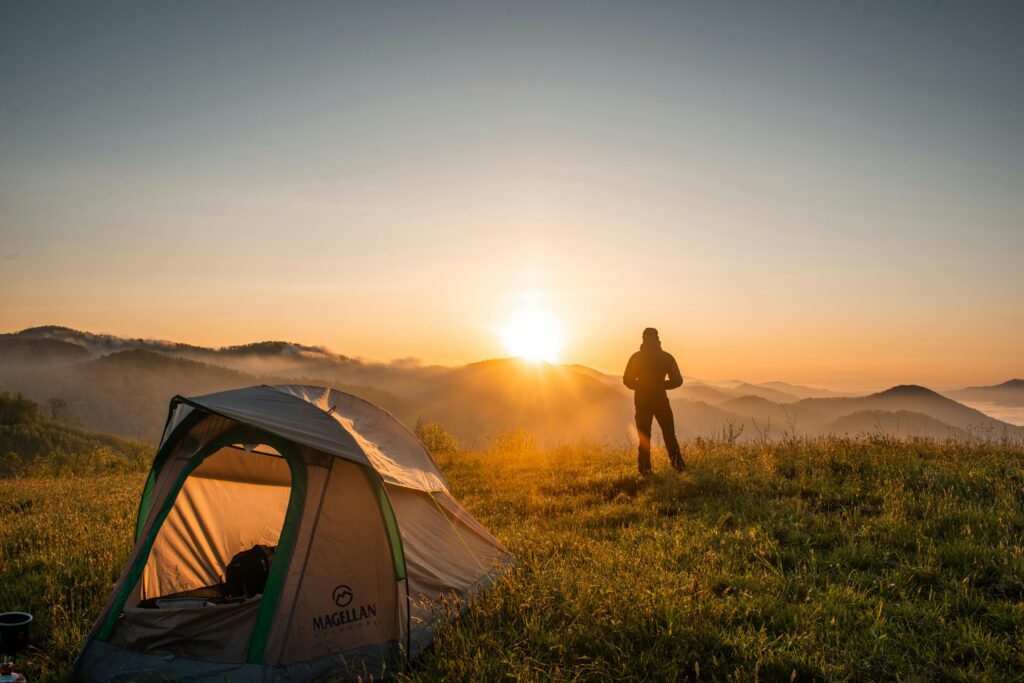
So you’re ready to try camping for the first time? That’s exciting! But if you’ve started researching what to bring, you’ve probably noticed something: everyone seems to have a different opinion about what counts as “essential. ” The outdoor gear world can feel like an overwhelming maze of products, each one promising to be the game-changer you absolutely can’t live without. Here’s the truth, though, you don’t need half of what’s out there. What you actually need is a solid foundation of gear that’ll keep you safe, reasonably comfortable, and ready to handle whatever Mother Nature throws your way.
Shelter and Sleep System Fundamentals
Think of your tent as your bedroom, living room, and safe haven all rolled into one compact package. When you’re out there and the weather turns, that tent becomes your entire world. For your first camping trip, a three-season tent sized for two to three people hits the sweet spot, even if you’re flying solo, that extra space means room for your gear and enough elbow room to actually move around. What should you look for? A rainfly that actually covers the whole tent (you’d be surprised how many don’t), mesh panels that let air flow through to prevent that awful condensation buildup, and definitely grab a footprint to protect your tent floor from sharp rocks and dampness creeping up from below.
Now, here’s where a lot of first-timers get it wrong, they obsess over the tent but forget about what they’re actually sleeping on and in. Your sleep system needs three things working together: a sleeping bag that’s rated for colder temps than you’re expecting (at least 10-15 degrees lower, because nights get surprisingly chilly), an insulated sleeping pad that does way more than just cushion your back, and something to rest your head on that isn’t a wadded-up sweatshirt. That sleeping pad? It’s not just about comfort, it’s actually your primary defense against losing all your body heat to the cold ground beneath you. Even the toastiest sleeping bag won’t help much when you’re essentially lying on a giant cold pack all night.
Cooking Equipment and Food Storage Solutions
Let’s talk about food, because even the most zen nature lover gets cranky when they’re hungry and can’t figure out how to heat up dinner. A compact camping stove changes everything, no more hoping the wood’s dry enough for a fire or waiting ages for water to boil over smoky flames. Grab yourself a reliable stove, the right fuel canisters for it, and a simple pot or pan that fits your meal plans. You’ll also want the basics: something to stir with, something to flip with, and a decent knife that can handle food prep.
Here’s something crucial that too many beginners overlook until it’s too late: proper food storage isn’t just about keeping your snacks fresh. In bear country, sloppy food storage can turn into a genuinely dangerous situation, both for you and the wildlife. Bear canisters or properly hung bear bags keep your provisions secure and animals wild, which is exactly how things should be. Car camping? Your vehicle works great for overnight food storage. When you’re putting together your provisions, first-time campers who need to organize their supplies efficiently should reference a comprehensive camping checklist essentials to ensure nothing important gets left behind. Pack more than you think you’ll need, an extra day’s worth of food serves as excellent insurance against unexpected delays or bigger appetites than planned. Don’t forget the unglamorous but necessary cleanup supplies: biodegradable soap, a scrubber, and a collapsible water jug for washing dishes. Leaving a clean campsite isn’t just good manners, it’s part of being a responsible outdoor enthusiast.
Clothing Layers and Weather Protection
Here’s a camping secret that’ll serve you well: the right clothing system beats any single “perfect” jacket. Layering isn’t just outdoor-industry jargon, it’s genuinely the smartest way to stay comfortable when temperatures swing from chilly mornings to warm afternoons to frigid nights. Start with base layers made from moisture-wicking fabrics (synthetic or merino wool work great) that pull sweat away from your skin instead of letting you stew in it. Add an insulating middle layer like a fleece or puffy jacket that traps warm air around your body, and top it all off with a waterproof, breathable shell that keeps wind and rain out while letting moisture vapor escape.
Beyond the standard three, layer setup, there are specific items that’ll make or break your comfort level out there. Extra socks deserve a spot right near the top of your packing list, wet feet lead to blisters, misery, and potentially dangerous situations in cold weather. A warm beanie keeps your head cozy (you lose a surprising amount of heat through your noggin), while gloves protect your hands during those frosty mornings when you’re trying to make coffee with numb fingers. Good hiking boots or trail shoes with solid ankle support and grippy soles prevent twisted ankles and slips on uneven ground, though make sure you’ve broken them in before your trip unless you want blistered feet.
Navigation, Safety, and Emergency Preparedness
Even if you’re camping at an established site with bathrooms and marked trails, skipping navigation and safety gear is asking for trouble. Things can go sideways fast when you’re away from civilization. A physical map of your area and a compass never run out of batteries, making them rock-solid backups even if you’re also using GPS devices or smartphone apps with offline maps. Speaking of phones, bring a fully charged power bank to keep your device alive for emergencies, photos, and digital navigation throughout your trip.
Your first aid kit might seem like overkill right up until the moment you actually need it. When you’re hours from the nearest urgent care, that kit becomes invaluable. Stock it with bandages in various sizes, gauze, medical tape, antiseptic wipes, pain relievers, antihistamines, and any personal medications you can’t skip. Throw in tweezers for splinters, scissors, blister treatments (seriously, don’t skimp on these), and a basic first aid guide that’ll walk you through handling common injuries.
Hygiene and Sanitation Essentials
Staying clean in the woods isn’t just about feeling fresh, it’s about preventing illness and respecting the environment you came out to enjoy. Biodegradable soap works for washing hands, dishes, and bodies, but here’s the catch: even “eco-friendly” soap needs to be used at least 200 feet away from water sources to avoid contaminating streams and lakes. A quick-drying camping towel takes up barely any room while actually doing its job efficiently. For bathroom situations when there aren’t facilities around, you’ll need toilet paper, a small trowel for digging proper catholes, and hand sanitizer.
A few additional hygiene items can make a huge difference in how you feel during your trip without weighing you down. Wet wipes offer a quick refresh when you can’t manage a full wash, which is more often than you’d think. Don’t forget the basics like a toothbrush, toothpaste, and floss, even in the wilderness, dental hygiene matters. Women should plan ahead for managing periods outdoors with appropriate supplies and sealed bags for disposal.
Conclusion
Getting ready for your first camping adventure doesn’t have to feel like preparing for an expedition to base camp Everest. By focusing on these genuine essentials rather than getting sucked into gear hype, you’ll set yourself up for a great experience without the stress of overpacking or overspending. These fundamentals will keep you safe and comfortable across most camping scenarios you’re likely to encounter as a beginner. As you rack up more nights outdoors, you’ll naturally figure out what additional items match your personal camping style and which heavily marketed products you can happily ignore.