
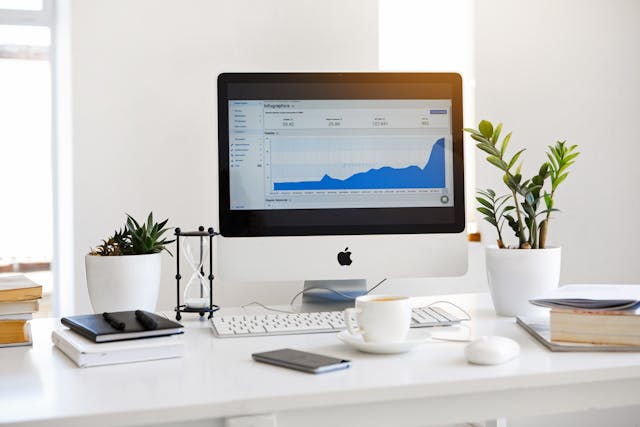
Photo from Pexels
Creating the perfect office space goes well beyond simply arranging furniture and hanging a few pictures on the wall. Your workspace has a profound impact on your productivity, creativity, and overall professional satisfaction. Whether you’re setting up a home office or designing a commercial workspace, the process demands careful planning and thoughtful consideration of multiple factors. A well, designed office environment can genuinely boost your efficiency, reduce stress levels, and create an atmosphere that inspires innovation and success.
Define Your Office Purpose and Requirements
Before making any purchases or design decisions, you need to clearly establish what your office needs to accomplish. Consider the type of work you’ll be doing, will you be meeting with clients face-to-face? How much storage space do you realistically require? What equipment is absolutely essential for your daily operations? A graphic designer will have vastly different needs than a financial consultant or a freelance writer. Take a thorough inventory of all the tools, technology, and furniture pieces you’ll need to function effectively in your day-to-day work. Think about your workflow patterns and how you naturally move through tasks during a typical workday.
Select the Optimal Location and Space
The physical location of your office dramatically affects its functionality and your professional success in ways you might not immediately realize. When choosing a space, evaluate factors such as natural lighting, noise levels, accessibility, and proximity to essential amenities like coffee shops or shipping centers. Natural light is particularly crucial, it reduces eye strain, improves mood throughout the day, and can significantly lower energy costs over time. Consider the room’s dimensions and layout carefully, ensuring there’s adequate space for movement, storage, and all necessary equipment without feeling cramped or cluttered.
Create a Functional Floor Plan
With your space selected, developing a detailed floor plan becomes your blueprint for success and efficiency. Sketch out where each piece of furniture and equipment will be positioned, carefully considering traffic flow and the relationship between different work zones. Position your desk to take advantage of natural light without creating annoying screen glare, typically perpendicular to windows rather than facing them directly works best. Designate specific areas for different activities such as focused work, collaborative sessions, storage, and perhaps even a small relaxation zone where you can step away briefly.
Invest in Quality Infrastructure and Climate Control
The hidden systems within your office walls are just as important as the visible design elements, perhaps even more so. Proper insulation and climate control create a comfortable environment that allows you to focus on work rather than temperature discomfort or distracting drafts. Evaluate your heating and cooling systems to ensure they can adequately service your office space throughout all seasons, from sweltering summers to frigid winters. Poor temperature regulation doesn’t just cause discomfort, it leads to distraction, reduced productivity, and potentially damaged equipment that could cost you thousands. Consider the energy efficiency of your climate control solutions, as this impacts both your environmental footprint and operational costs month after month. Adequate ventilation is essential for maintaining air quality and preventing that stuffiness that can cause fatigue and headaches during long work sessions. Addressing moisture concerns and proper sealing prevents issues like mold growth or structural damage that could compromise your workspace and your health. When constructing or renovating office buildings, professionals who need to ensure superior thermal performance and moisture protection often rely on spray foam roofing for comprehensive climate control benefits that last for years. Modern insulation materials offer excellent thermal performance while also providing soundproofing benefits that create a quieter, more focused environment where you can actually concentrate.
Choose Furniture That Combines Function and Style
Your office furniture serves as both the foundation of your workspace and a reflection of your professional image to anyone who enters. Invest in an ergonomic chair that provides proper lumbar support, you’ll likely spend several hours seated each day, so this isn’t the place to cut corners. A quality desk with appropriate height and sufficient surface area accommodates your work style and equipment needs without forcing you to make compromises. Consider adjustable-height desks that allow you to alternate between sitting and standing positions throughout the day, which research shows can improve both health and productivity.
Implement Technology and Connectivity Solutions
Modern office productivity depends heavily on reliable technology infrastructure and seamless connectivity that just works when you need it. Ensure your internet connection provides sufficient bandwidth for video conferencing, cloud applications, and large file transfers without frustrating lag times. Invest in quality networking equipment, including a robust router and possibly mesh Wi-Fi systems for larger spaces that eliminate dead zones. Plan your power needs carefully, installing additional outlets if necessary to avoid those unsightly extension cords snaking across your floor.
Personalize and Optimize Your Environment
The final step transforms your functional office into an inspiring workspace that reflects your personality and motivates peak performance every single day. Add personal touches through carefully selected artwork, plants, or meaningful objects that create an environment where you actually enjoy spending time. Plants not only improve air quality but also add life and color to your space, reducing stress levels and increasing creativity in ways that research continues to validate. Consider the psychology of color when selecting paint, accessories, and décor, different hues can genuinely influence mood and productivity more than most people realize.
Conclusion
Building your dream office is an investment in your professional success and personal well-being that pays dividends through increased productivity and genuine job satisfaction. By systematically addressing each aspect, from initial planning through final personalization, you create a workspace that truly serves your unique needs and working style. Remember that your ideal office evolves over time, so remain open to adjustments and improvements as your career grows and circumstances inevitably change. The effort you invest in creating a thoughtfully designed office environment will reward you daily through improved focus, enhanced creativity, and a professional space you’re genuinely proud to work in and show to clients.