
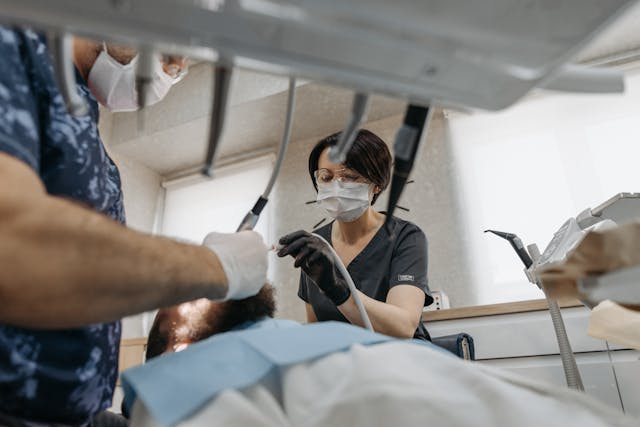
Think about the last time you visited a dentist. Chances are, your experience was vastly different from what your parents or grandparents encountered decades ago. The dentistry field has undergone a remarkable transformation, driven by technological advancements that have revolutionized how we approach oral healthcare. Modern dental practices now blend cutting-edge equipment with digital solutions that seemed like science fiction just a generation ago.
Digital X-Rays and Imaging
Remember those bulky, uncomfortable bite-wing holders from traditional X-rays? Digital radiography has completely changed that experience. These modern systems capture crystal-clear images instantly and display them on computer screens within seconds, letting your dentist analyze and discuss findings with you right away. What’s particularly reassuring is that digital X-rays emit significantly less radiation, we’re talking about up to 90 percent less exposure compared to their conventional counterparts. That’s a substantial safety improvement for routine examinations.
Intraoral Cameras
Ever wish you could see what your dentist sees when examining your teeth? Intraoral cameras make that wish a reality. These remarkably small, pen-sized devices equipped with high-resolution cameras can navigate comfortably throughout your mouth, capturing detailed images of teeth, gums, and other structures from angles that mirrors simply can’t reach. The real magic happens when those images appear instantly on chairside monitors, transforming what was once an abstract conversation into a visual, tangible discussion about your oral health. This transparency has proven invaluable in building trust and understanding between patients and practitioners.
CAD/CAM Technology
Waiting weeks for a crown while dealing with a temporary restoration? That frustrating experience is becoming a thing of the past thanks to Computer-Aided Design and Computer-Aided Manufacturing technology. Traditional methods involved taking messy impressions, shipping them to external laboratories, and scheduling multiple appointments spread across weeks. CAD/CAM systems have flipped that script entirely by enabling dentists to design and mill custom restorations right in their offices during a single visit. Using digital scans, they create precise three-dimensional models of the prepared tooth, which a sophisticated milling machine then transforms into a high-quality ceramic restoration within minutes.
Three-Dimensional Imaging and Planning
Two-dimensional X-rays can only tell you so much, they’re like looking at a map when what you really need is a globe. Three-dimensional imaging technologies, particularly cone beam computed tomography scanners, provide comprehensive views of oral and maxillofacial structures that reveal the complete picture. These systems generate detailed volumetric images showing precise positioning of teeth, bone density, nerve pathways, and sinus cavities with remarkable clarity. This technology truly shines during complex procedures like dental implant placement, orthodontic treatment planning, and evaluation of jaw joint disorders. Dentists can virtually plan surgical procedures before making any incisions, anticipating potential challenges and determining the optimal approach to minimize complications. When planning complex restorations and implant placements, professionals who need to capture precise surface geometry and detailed measurements increasingly rely on dental photogrammetry to enhance accuracy and treatment outcomes. The ability to visualize anatomy in three dimensions has dramatically reduced surgical risks and made treatment outcomes far more predictable than ever before.
Laser Dentistry
If the sound of dental drills makes you anxious, laser dentistry might be exactly what you’ve been hoping for. These focused light beams offer a gentler, more precise alternative to traditional drills and scalpels for numerous procedures, from removing decay to reshaping gum tissue to whitening teeth. What really sets lasers apart is how they often eliminate the need for local anesthesia during cavity preparation, which is particularly appealing if you’re not fond of needles. The precision is remarkable, dentists can preserve more healthy tooth structure while targeting only diseased tissue, which promotes faster healing and reduces post-operative discomfort significantly.
Digital Impression Systems
Those gag-inducing putty impressions? They’re rapidly becoming obsolete. Digital impression systems use sophisticated optical scanners to capture highly accurate three-dimensional models of teeth and soft tissues in just minutes, without any of the discomfort, unpleasant taste, or anxiety that many patients associate with conventional impression materials. The dentist can review the scans immediately to verify completeness and accuracy before you even leave the chair, which eliminates those frustrating callbacks for retakes. Once captured, digital files can be instantly transmitted to dental laboratories or used with in-office milling systems, speeding up the fabrication process considerably and eliminating opportunities for distortion during shipping.
Teledentistry Platforms
Not every dental concern requires an immediate office visit, and teledentistry has emerged as a practical solution that expands access to care. This approach is particularly valuable for patients in rural areas, those with mobility challenges, or anyone seeking convenient consultations without travel. Video conferencing technology enables dentists to conduct remote consultations where they can review symptoms, provide preliminary diagnoses, and offer guidance on urgent care needs. You can share photographs of problem areas and describe concerns from the comfort of home, receiving professional advice that helps determine whether an in-person visit is truly necessary.
Artificial Intelligence and Diagnostic Software
Artificial intelligence is quietly transforming dental diagnostics in ways that might surprise you. Machine learning algorithms trained on millions of dental images can now detect cavities, periodontal disease, and other conditions with remarkable accuracy and consistency, sometimes spotting issues in early stages when treatment is most effective. These intelligent systems function as valuable second opinions, reducing diagnostic errors and ensuring comprehensive examination of all dental structures. It’s not about replacing human expertise, it’s about augmenting it.
Conclusion
The integration of advanced technology into dentistry has created unprecedented opportunities to deliver superior patient care with greater comfort, precision, and efficiency than ever before. From diagnostic imaging that reveals hidden problems to treatment systems that restore teeth in single appointments, these innovations have fundamentally transformed the dental experience while expanding the scope of possible treatments. As technology continues advancing at a rapid pace, we’ll undoubtedly see further breakthroughs that make procedures even less invasive, more predictable, and more accessible to diverse patient populations. The dental profession’s ongoing commitment to adopting and refining these technological tools demonstrates a dedication to excellence and patient-centered care that benefits everyone.