
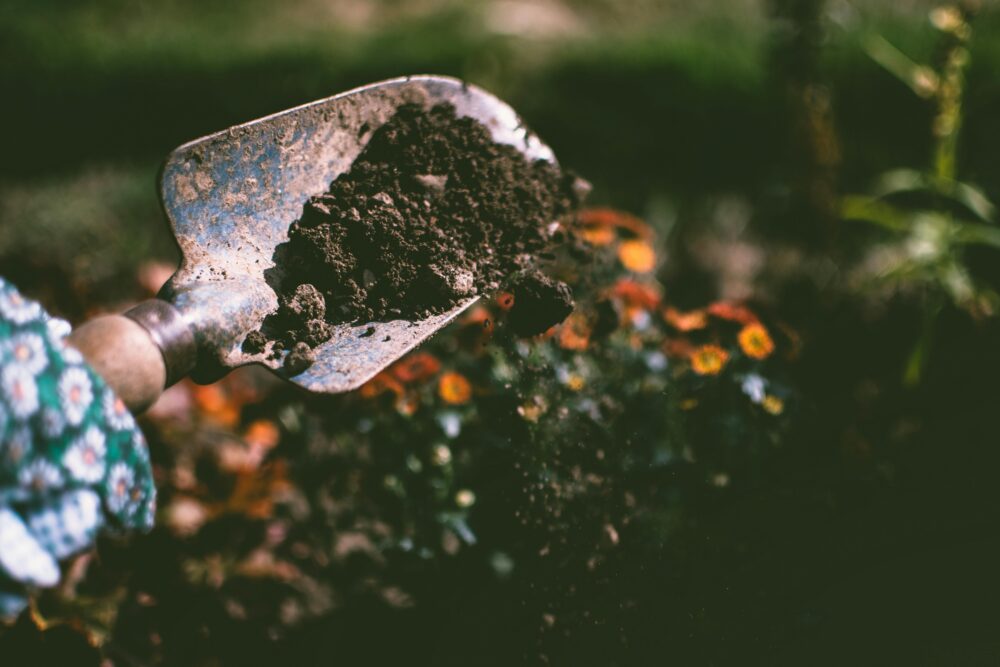
Starting a garden can be one of the most rewarding hobbies you’ll ever pick up. There’s something magical about growing your own fresh produce, nurturing beautiful flowers, and connecting with nature in such a hands-on way. If you’re just beginning, the gardening world might feel a bit overwhelming at first. All those specialized terms, countless plant varieties, and techniques that seem complicated can make anyone hesitate. But here’s the good news: with some foundational knowledge and a patient approach, anyone can develop a thriving garden that brings genuine joy and satisfaction throughout the seasons.
Understanding Your Growing Environment
Before you get excited and start planting seeds everywhere, take a step back and really understand your specific growing environment. This knowledge is absolutely crucial to your gardening success. Your local climate zone determines which plants will actually thrive in your area, so it should be your very first consideration when planning any garden project. Most regions follow USDA hardiness zones, which tell you the average minimum winter temperatures and help you pick plants that can handle your weather. Beyond just the climate zone, though, you’ll want to assess how much sun your garden gets throughout the day, since most vegetables need at least six to eight hours of direct sunlight to really flourish.
Soil Preparation and Amendment
Here’s a truth every experienced gardener knows healthy soil is the absolute foundation of any successful garden, acting as both anchor and nutrient source for your plants. Start by testing your soil’s pH level and nutrient content, you can grab an inexpensive home test kit or send samples to your local agricultural extension office for more detailed analysis. Most vegetables and flowers are happy with slightly acidic to neutral soil, between 6. 0 and 7.
Selecting the Right Plants for Your Skill Level
Choosing the right plants might be the most critical decision you’ll make as a beginning gardener, because early successes build the confidence you need to keep going. Start with hardy, forgiving plants that’ll tolerate minor mistakes in watering, feeding, or placement, save those temperamental divas for when you’ve got more experience under your belt. Vegetables like tomatoes, lettuce, radishes, and zucchini are generally easy to grow and give you quick, satisfying results that’ll make you feel like a gardening genius. For flowers, consider resilient options like marigolds, zinnias, sunflowers, and cosmos, these cheerful bloomers tolerate various conditions and flower like crazy with minimal fuss. Herbs are another excellent starting point, with basil, mint, parsley, and chives thriving in both garden beds and containers while providing fresh flavors that’ll upgrade your cooking instantly. For beginners interested in growing their own gourmet ingredients indoors, an easy mushroom grow kit provides a simple way to cultivate fresh mushrooms without dealing with all the complexities of outdoor gardening. When you’re at the nursery browsing plants, don’t be shy about asking the staff for recommendations suited to beginners in your climate zone; they’re usually happy to share their expertise. Reading those plant tags carefully will help you understand each plant’s specific needs for sun, water, and space before you commit to bringing them home.
Watering Techniques and Schedules
Getting your watering practices right can honestly make the difference between plants that thrive and ones that just sort of exist disappointingly in your garden. Most beginners tend to overwater rather than underwater, which might seem counterintuitive but can lead to root rot, fungal diseases, and weak plant development that leaves you wondering what went wrong. The general rule that experienced gardeners swear by is to water deeply but less frequently, which encourages roots to grow downward searching for moisture rather than staying shallow and dependent on you. Early morning watering works best since it gives foliage time to dry during the day, reducing the risk of those pesky fungal problems that just love damp conditions.
Basic Maintenance and Pest Management
Regular maintenance keeps your garden healthy and productive while preventing those small problems from snowballing into major setbacks that could’ve been avoided. Weeding should become part of your routine, and yes, it must be consistent, because weeds are competing with your desired plants for water, nutrients, and sunlight while potentially harboring pests and diseases you don’t want. Mulching around your plants with organic materials like wood chips, straw, or shredded leaves does triple duty: it suppresses weed growth, retains soil moisture, and regulates soil temperature throughout the day. Deadheading those spent flowers might seem tedious, but it actually encourages many plants to produce even more blooms, extending your garden’s beauty throughout the entire season.
Conclusion
Embarking on your gardening journey requires patience, careful observation, and a genuine willingness to learn from both your successes and your setbacks and trust me; you’ll have both. By understanding your growing environment, preparing quality soil, selecting plants appropriate for your skill level, mastering watering techniques, and maintaining your garden with consistency, you’re building a strong foundation for years of gardening enjoyment ahead. Remember that even the most experienced gardeners encounter challenges and outright failures sometimes, these experiences aren’t setbacks but valuable lessons that’ll enhance your skills over time. Start small with manageable projects that won’t overwhelm you, celebrate your victories no matter how minor they seem, and don’t get discouraged by occasional disappointments as you develop your green thumb.

