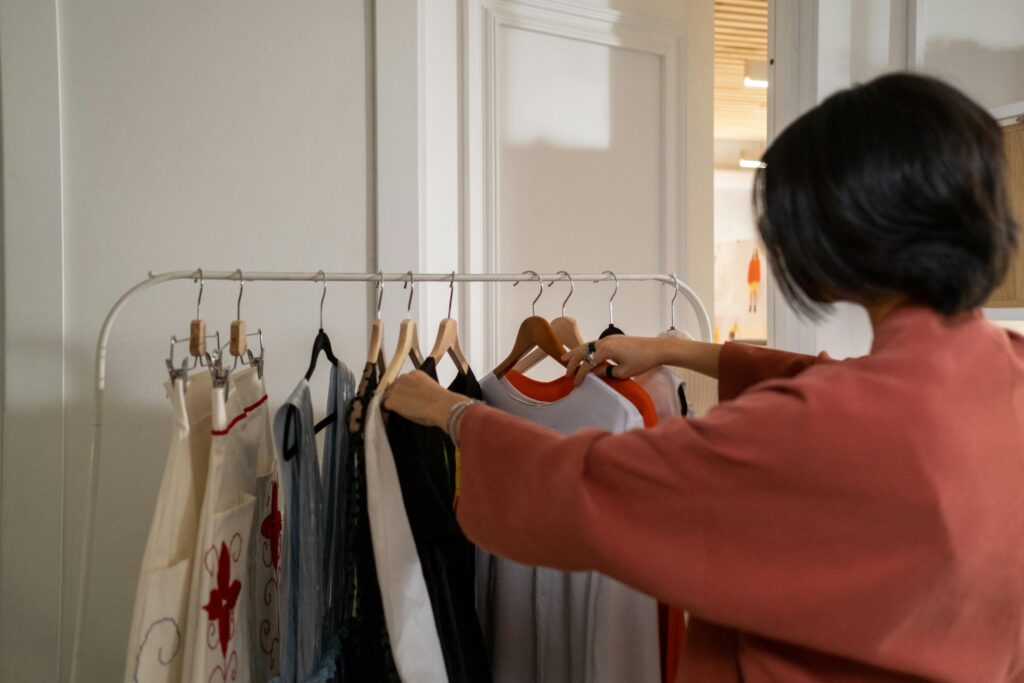
Creating a wardrobe that truly reflects your personal style is more than just shopping for clothes you like. It’s about curating a collection of pieces that align with your lifestyle, flatter your body, and make you feel confident every time you get dressed. A well-built wardrobe is intentional, versatile, and expressive. It evolves with you and supports your day-to-day needs while showcasing your individuality. Whether you’re starting from scratch or refining your current closet, the process begins with understanding what makes your style unique.
Define Your Style Identity
Before you can build a wardrobe that reflects your personal style, you need to define what that style is. Start by examining what you naturally gravitate toward. Look at your favorite outfits and identify common themes. Are you drawn to clean lines and neutral tones, or do you prefer bold prints and vibrant colors? Do you favor classic silhouettes or more relaxed, bohemian shapes?
Consider your lifestyle as well. Your wardrobe should reflect how you spend your time. If your days are filled with meetings and professional engagements, you may lean toward structured pieces. If you’re often outdoors or traveling, comfort and functionality might be your priorities. Creating a mood board or saving outfit inspiration can help clarify your preferences and guide future purchases.
Invest in Foundational Pieces
Once you’ve identified your style, focus on building a strong foundation. These are the pieces that serve as the backbone of your wardrobe and can be styled in multiple ways. Think of items like tailored trousers, well-fitting jeans, classic blouses, and versatile dresses. These staples should be high-quality, comfortable, and easy to mix and match.
Neutral colors and timeless silhouettes are ideal for foundational pieces because they offer flexibility. You can layer them, accessorize them, and wear them across seasons. When your wardrobe is built on reliable basics, it becomes easier to incorporate trendier or more expressive items without sacrificing cohesion.
Add Personality Through Statement Pieces
While foundational items provide structure, statement pieces bring personality. These are the garments that showcase your unique taste and make your wardrobe feel truly yours. Statement pieces can include bold prints, interesting textures, or distinctive accessories. They don’t have to be flashy, but they should reflect something about you.
The key is balance. Too many statement items can make your wardrobe feel chaotic, while too few may leave it feeling bland. Choose pieces that you love and that make you feel confident. Whether it’s a patterned blazer, a colorful handbag, or a pair of standout shoes, these items should complement your foundational wardrobe and elevate your overall style.
Consider Seasonal and Lifestyle Needs
A wardrobe that reflects your personal style should also be practical. Consider the climate where you live and the activities you regularly engage in. Your closet should include seasonal essentials like coats, boots, and lightweight layers, as well as items suited to specific occasions.
For example, if you enjoy beach vacations or live near the coast, having stylish and functional swimwear is important. Modest bathing suits for women over 50 often feature flattering cuts, supportive designs, and elegant details that cater to both comfort and style. Pairing them with lightweight cover-ups and sandals creates a cohesive look that feels both age-appropriate and fashion-forward. Including pieces like this ensures your wardrobe supports your lifestyle while staying true to your aesthetic.
Edit and Evolve Over Time
Building a wardrobe is not a one-time task. It’s an ongoing process that evolves with your tastes, body, and lifestyle. Regularly assess your closet to identify what you wear most and what no longer serves you. Let go of items that don’t fit, feel uncomfortable, or no longer align with your style.
Editing your wardrobe helps maintain clarity and prevents clutter. It also makes room for new additions that better reflect your current preferences. As your style evolves, be open to experimenting with new colors, shapes, or trends, but always stay grounded in what feels authentic to you. A wardrobe that reflects your personal style should grow with you, not against you.
Conclusion
Creating a wardrobe that reflects your personal style is a thoughtful and rewarding process. It requires self-awareness, intentional choices, and a willingness to evolve. By defining your style identity, investing in foundational pieces, incorporating statement items, and considering your lifestyle needs, you can build a closet that feels both functional and expressive. When your wardrobe aligns with who you are, getting dressed becomes a daily act of confidence and creativity.