
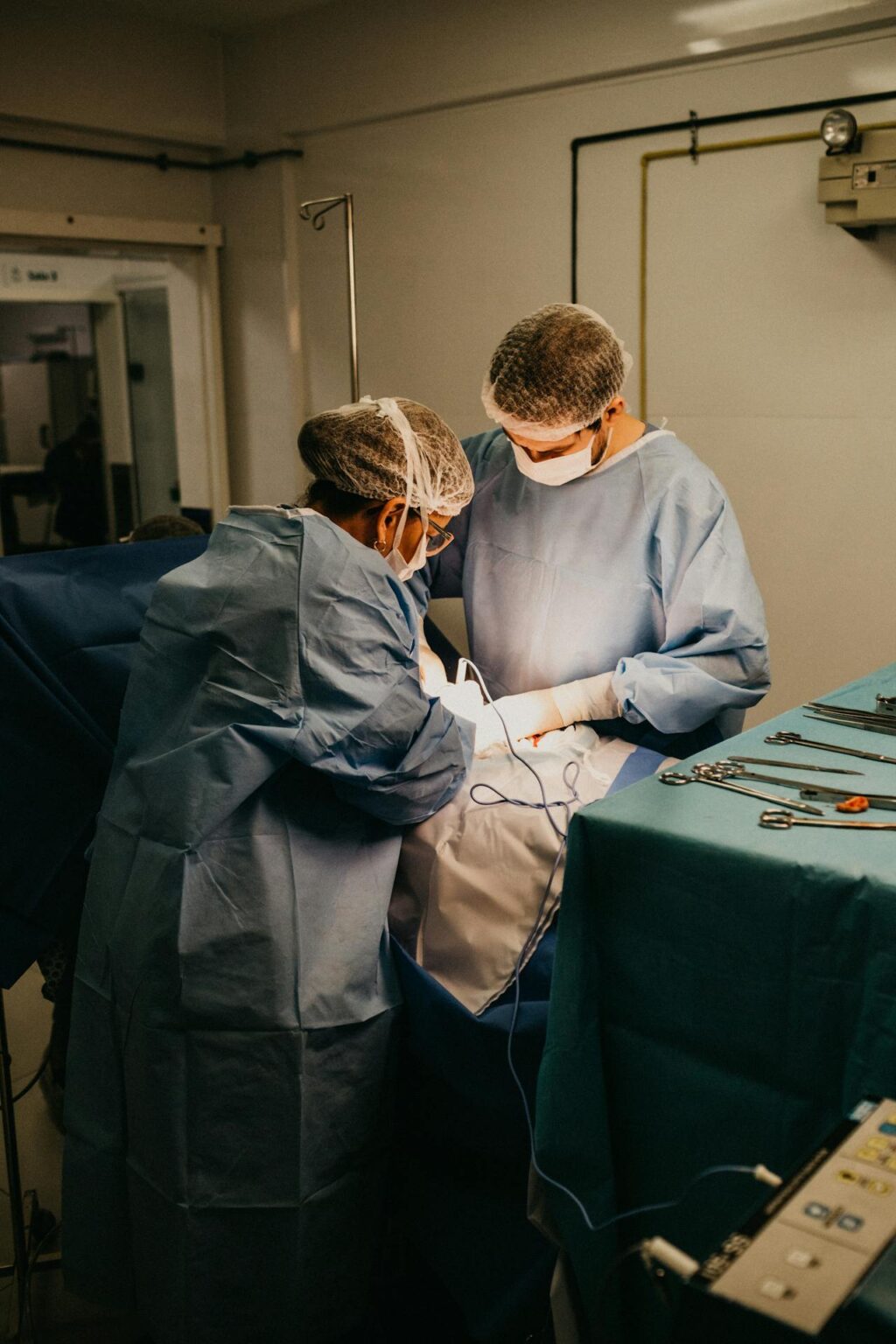
Robotic-assisted surgery has brought about a revolution in precision in operating rooms. These systems convert a surgeon’s hand movements into tiny movements using robotic arms, which can work with much greater accuracy than human hands alone. This precision plays a crucial role in sensitive procedures like neurosurgery, heart surgery, and prostate removals where even the smallest error can cause serious problems.
Better Vision and Access
Robotic surgery has a revolutionary impact on visualization during operations. Doctors use high-definition 3D cameras that give zoomed-in views of where they’re operating. This helps them spot body parts more and tell the difference between healthy and sick tissue. Robots also let surgeons reach tricky spots in the body without making big cuts. Smaller cuts mean less damage, less bleeding, and a lower chance of infection. These good points matter for tough surgeries where cutting someone wide open would be riskier.
Consistency and Reproducibility
Unlike manual surgery robotic systems deliver steady results across operations. Robots get rid of changes caused by tiredness, pressure, or human limits. This steadiness makes sure that each move happens with the same exactness, no matter the time or how complex the case is. Hospitals that use robotic platforms often see fewer problems and better surgical results. Set ways of doing things backed by robotics also make it simpler to teach new surgeons and keep high standards across surgical teams.
Integration with Advanced Surgical Tools
Robotic systems now work together with other cutting-edge surgical tools to cut down on problems. For instance, surgeons can link up live imaging, AI-guided navigation, and smart tools with robotic platforms to make better choices during an operation. This teamwork lets doctors adjust to surprises and make smarter decisions.
Baxter Advanced Surgery plays a big part in this setup. They make new products that stop bleeding and seal tissue, which go hand in hand with robotic surgeries. Their tools help lower risks during surgery and help patients get better faster. When used alongside robotic systems, these tools create a safer and more productive operating room.
Better Results and Happier Patients
Surgical innovations aim to enhance patient results. Robotic-assisted surgery achieves this goal. Patients feel less pain, face fewer issues, and get back to their routine quicker. The reduced need for blood and lower chance of infection also boost long-term health. Besides the health perks, robotic surgery often makes patients happier. The idea of small cuts and fast healing appeals to patients and can boost a hospital’s reputation for top-notch care.
Conclusion
Robots aren’t just making surgery better—they’re changing healthcare as we know it. They make operations more exact, help doctors see better, work more, and use advanced tools. This leads to fewer problems and better care for patients. As more hospitals buy these machines, surgeries will become safer, smarter, and more focused on what patients need. The future of surgery looks brighter than ever.