
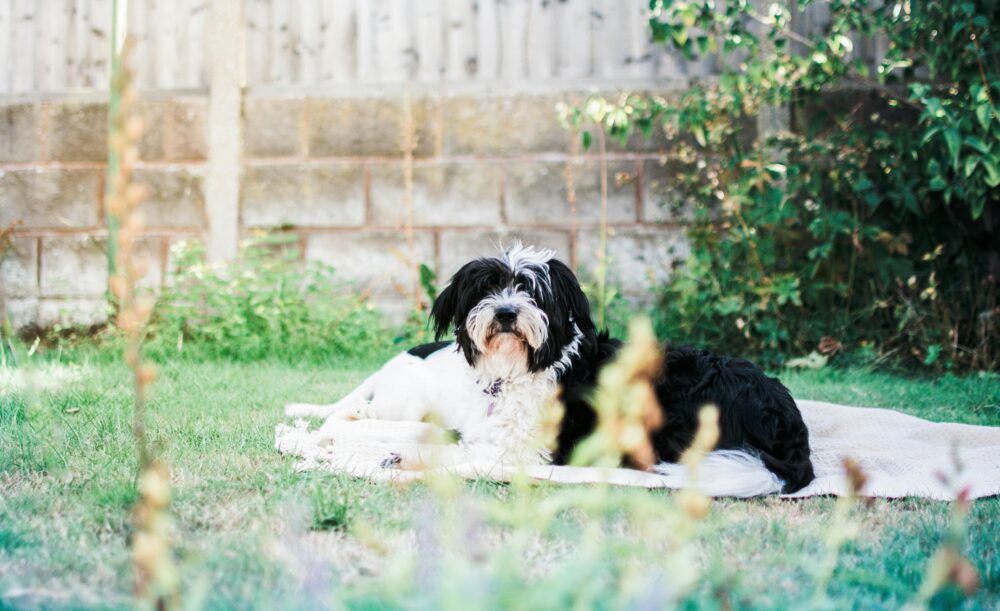
Creating a beautiful outdoor space doesn’t have to come at the expense of your pet’s safety. As more families prioritize pet-friendly environments, landscaping choices that are non-toxic and low-risk for animals have become increasingly important. From the plants you choose to the materials you install, every element of your yard can contribute to a safe and enjoyable space for your furry companions. Whether you’re starting fresh or updating an existing landscape, here are some smart, pet-safe options to consider.
Opt for Pet-Safe Plants
Many common landscaping plants are toxic to dogs and cats, so selecting greenery that’s safe for pets is a crucial first step. Avoid popular but harmful varieties like azaleas, lilies, sago palms, and oleander. Instead, choose non-toxic alternatives such as marigolds, snapdragons, sunflowers, and rosemary. These plants not only add color and texture to your yard but also pose no threat if your pet decides to nibble.
Ground covers like creeping thyme or clover can be great substitutes for traditional grass in certain areas. They’re soft underfoot, resilient, and safe for pets to walk or lie on. When planning your garden beds, be sure to check plant toxicity lists from reputable sources like the ASPCA to ensure your selections are pet-friendly.
Use Natural Mulch and Avoid Chemicals
Mulch is a staple in landscaping, but not all types are safe for pets. Cocoa mulch, for example, contains theobromine, the same compound found in chocolate, and can be toxic to dogs. Instead, opt for pet-safe mulches like shredded pine, cedar, or untreated wood chips. These materials help retain moisture, suppress weeds, and add a polished look to your garden without posing a risk to your animals.
Equally important is avoiding chemical treatments such as pesticides, herbicides, and synthetic fertilizers. These substances can linger on surfaces and be ingested or absorbed through paws. Look for organic or natural alternatives that are labeled as safe for pets, and always follow application instructions carefully.
Consider Hardscaping for Durability and Safety
Hardscaping elements like patios, walkways, and retaining walls can enhance both the functionality and safety of your yard. Materials such as flagstone, brick, and concrete are durable and easy to clean, making them ideal for areas where pets frequently roam. Smooth surfaces reduce the risk of injury, while well-placed paths can guide pets away from delicate garden beds or off-limits zones.
When designing hardscape features, think about how your pet interacts with the space. Avoid sharp edges, loose gravel, or unstable stones that could cause injury. Incorporating shaded areas and cool surfaces can also help protect pets from overheating during warmer months.
Install Pet-Friendly Turf Solutions
Maintaining a lush lawn can be challenging when pets are part of the equation. Natural grass often struggles under heavy foot traffic, digging, and pet waste. One increasingly popular solution is synthetic turf, which offers the look of real grass with added durability and minimal maintenance.
For those in the central U.S., artificial grass from NexGen Lawns is a standout option. Their products are designed with pets in mind, featuring drainage systems that handle waste efficiently and materials that resist odors and bacteria. This type of turf provides a clean, green surface year-round, eliminating the need for harmful lawn treatments and reducing mud and mess inside the home.
Create Shaded and Enclosed Spaces
Pets need protection from the elements just as much as people do. Incorporating shaded areas into your landscape design helps keep animals cool and comfortable, especially during hot summer days. Trees, pergolas, and shade sails are excellent options for creating relief from the sun.
Enclosed spaces, such as fenced-in yards or designated pet zones, offer safety and peace of mind. Choose fencing materials that are secure and appropriate for your pet’s size and behavior. Adding features like dog runs, agility equipment, or cozy shelters can turn your backyard into a haven for play and relaxation.
Conclusion
Designing a pet-friendly landscape doesn’t mean sacrificing style or functionality. With thoughtful choices in plants, materials, and layout, you can create an outdoor space that’s safe, beautiful, and enjoyable for every member of the family, including the four-legged ones. By prioritizing non-toxic options and considering your pet’s needs, your yard can become a place where everyone thrives. Whether it’s lounging in the shade, exploring garden paths, or playing on durable turf, a well-designed landscape offers endless opportunities for connection and comfort.