
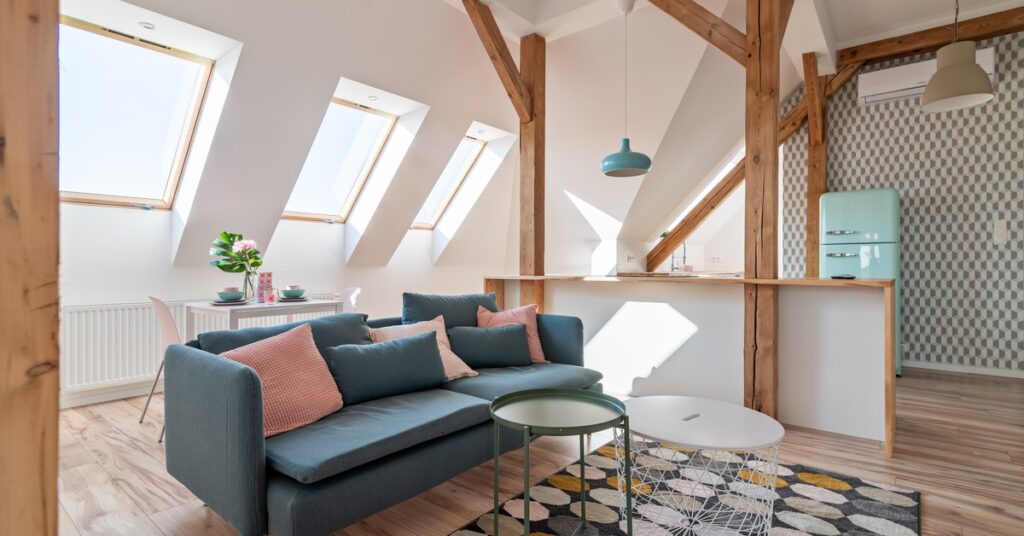
Living in a disorganized environment can often lead to feelings of stress and anxiety. A cluttered home can impact your mental health and make it difficult to focus on daily tasks. However, transforming your living space into a serene and orderly environment doesn’t have to be overwhelming.
Here are five easy steps to organize your home.
1. Decluttering Your Space
The first step in organizing your home is decluttering. It’s essential to be honest with yourself about what items are truly necessary and which are simply taking up space. Start with one room at a time, focusing on making significant changes without feeling overwhelmed. A practical approach to decluttering involves sorting your belongings into three categories: keep, donate, and discard. The “keep” category should consist of items you use regularly and hold sentimental value. The “donate” category includes items in good condition that others might find useful. Finally, the “discard” category contains items that are broken or no longer serve a purpose.
2. Categorizing and Sorting Your Belongings
Once you’ve decluttered your space, the next step is to categorize and sort your belongings. This involves grouping similar items together, making it easier to find what you need when you need it. Organizing your belongings by category allows you to see everything you own and assess whether you have duplicates or excess items. This insight helps you make informed decisions about what to keep and what to let go of, streamlining your possessions.
3. Creating Designated Spaces for Each Category
With your belongings categorized and sorted, it’s time to create designated spaces for each category. This step involves assigning specific areas in your home for different types of items, promoting order and accessibility. For instance, designate a shelf for books, a drawer for office supplies, and a cabinet for kitchen utensils. When creating designated spaces, consider the flow of your daily routines and how you use each room. Place frequently used items within easy reach, while storing seasonal or rarely used items in less accessible areas. This strategic placement minimizes clutter and reduces the time spent searching for items, enhancing the overall functionality of your home.
4. Implementing Storage Solutions
To maintain organization, you can implement effective storage solutions tailored to your needs. Storage solutions come in various forms, from shelving units and baskets to drawer dividers and hooks. There are even options for things like Christmas tree storage. Just choose options that align with your lifestyle and fit the available space, ensuring they contribute to a clutter-free environment. Consider multifunctional furniture that doubles as storage.
5. Maintaining Your Organized Home
Once you’ve established an organized system, the key to long-term success is maintenance. Regularly assess your home and make adjustments as needed to ensure it continues to meet your needs. Remember, organization is an ongoing process that requires mindful attention. Involve the entire household in maintaining the organized environment. Encourage family members to adopt the systems you’ve established and hold regular family meetings to address any organizational challenges. Working together fosters a sense of teamwork and ensures everyone contributes to preserving the calm and orderly atmosphere of your home.
Conclusion
Transforming a cluttered home into a calm and organized space is an achievable goal with the right approach. Remember that organization is not a one-time task but a continuous journey that evolves with your needs and lifestyle.