
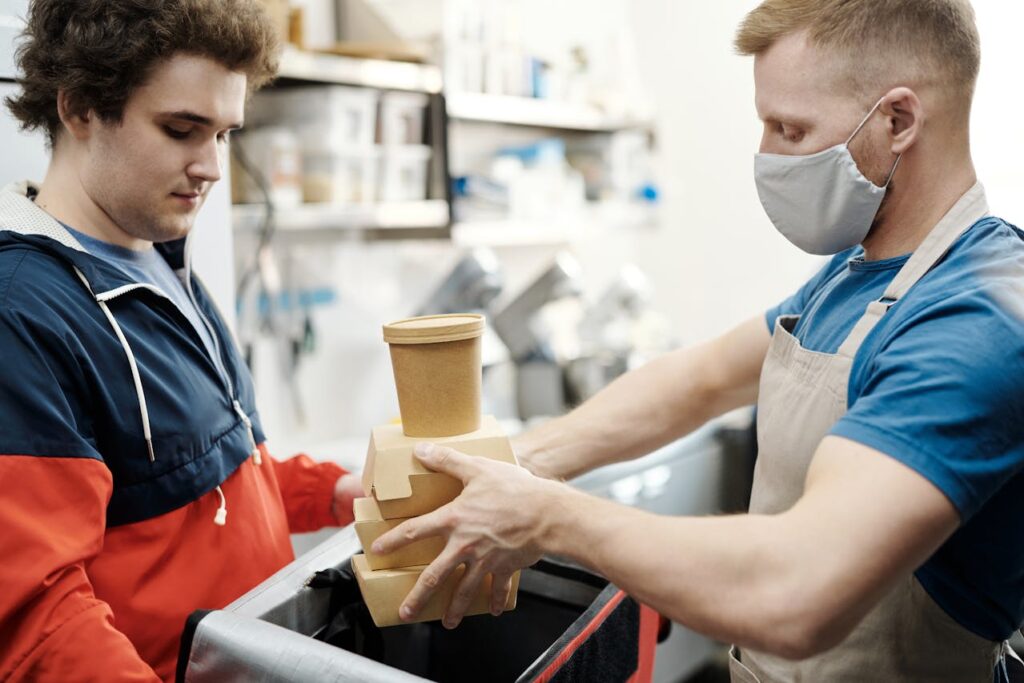
Custom food packaging delivers a strong first impression in crowded aisles, because tidy structure and clear graphics signal care and quality. Packaging shapes decisions through readable labels, steady colors, and neat finishes that reduce confusion and save time at shelves. Consistent packs support brand memory across sizes and formats, since recognizable details help products stand out in busy settings. Thoughtful packaging also protects contents, reduces waste, and improves handling, which keeps operations smooth and maintains trust from factory to checkout.
Brand Clarity and Recognition
Brand clarity grows when custom packaging defines colors, fonts, and layouts that match the product promise while remaining distinct within the category. Designers place names, marks, and claims in reliable positions, which teaches shoppers where to find important facts quickly and confidently. This steady structure keeps products familiar on every trip and carries the same signal across stores and screens, strengthening recognition over time. Clear visual hierarchy guides attention from brand to variety and then to benefits, so decisions happen smoothly without hesitation. Strong contrast and clean spacing maintain readability under bright lights and fast movement, which matters in compact stores. Durable materials preserve finish and print quality through handling and stocking, so the brand looks fresh during everyday operations.
Shelf Impact and Visibility
Custom forms improve visibility by using space efficiently while staying friendly to racks, trays, and cases across common retail formats. Bold panels and neat edges create tidy billboards that fit planograms while presenting information in a logical order that aids very fast scanning. Strategic sizing prevents crowding and allows easy facing, which keeps products centered and aligned, supporting orderly shelves and smooth daily replenishment. Printers deliver sharp lines and accurate color that hold under lighting and temperature changes, keeping graphics stable through long retail days. Branded seals and closures signal freshness, improving perceived value without adding complicated parts to the pack or slowing routines. Many companies choose custom-printed food packaging options to lock in color standards, repeatable text placement, and coordinated supply across regions.
Product Protection and Freshness
Custom structures protect taste, texture, and aroma by matching barriers, closures, and portion sizes to handling and storage conditions along the route. Correct fit reduces headspace and motion, which lowers breakage and keeps delicate items steady during stacking, transport, and stocking activities. Seals maintain strength through normal pressure changes, which keep air and moisture within planned limits and sustain consistent product quality throughout distribution. Labels present storage and date guidance in readable type, helping teams rotate stock and maintain steady freshness with less guesswork or waste. Tamper-evident features discourage interference and give partners simple checks that fit into existing routines without slowing lines or adding confusion.
Compliance and Information Space
Food rules require clear panels for nutrition, ingredients, allergens, and lot codes, and custom packaging reserves practical space for these details. Teams place required items in predictable locations with compliant text sizes and contrast, which supports audits and reduces relabeling across batches. Barcodes scan reliably when printers maintain quiet zones and durable coatings that resist smudging, which protects data accuracy in very fast lanes. Seasonal updates, promotional claims, and regional statements fit cleanly when layouts include flexible fields that update without crowding or clutter. Digital codes add traceability and service information, while hidden marks aid recalls and distribution checks without affecting visual harmony or clarity. Consistent information space prevents last-minute stickers and overlapping labels that weaken design balance and create confusion for busy store staff.
Cost Control and Operational Ease
Right-sized packaging reduces material use, transport volume, and storage space while protecting margins across production and shipping. Stackable forms and stable dimensions speed packing, loading, and facing, which lowers labor time and helps partners meet schedules. Durable finishes reduce damage returns and preserve appearance over time, which protects sell-through, pricing power, and inventory accuracy. Vendors coordinate print runs and dielines to minimize waste and simplify reorders across item counts, flavors, and pack sizes. Shared components like closures, liners, and trays keep procurement tidy without harming brand distinction because artwork and panels handle differentiation clearly and consistently. Consistent specifications decrease surprises, stabilize lead times, smooth estimates, and increase confidence in production planning across operations, helping forecasts.
Conclusion
Custom food packaging boosts brand awareness, shelf impact, freshness, compliance, and supply chain efficiency. Clear layouts and durable materials handle everyday pressure without confusion, which supports calm choices and steady satisfaction at retail. Right-sized buildings eliminate waste and maintain product quality, preserving profits and brand value. Packaging makes items stand out while being practical, efficient, and growth-ready by integrating design, information, and function.