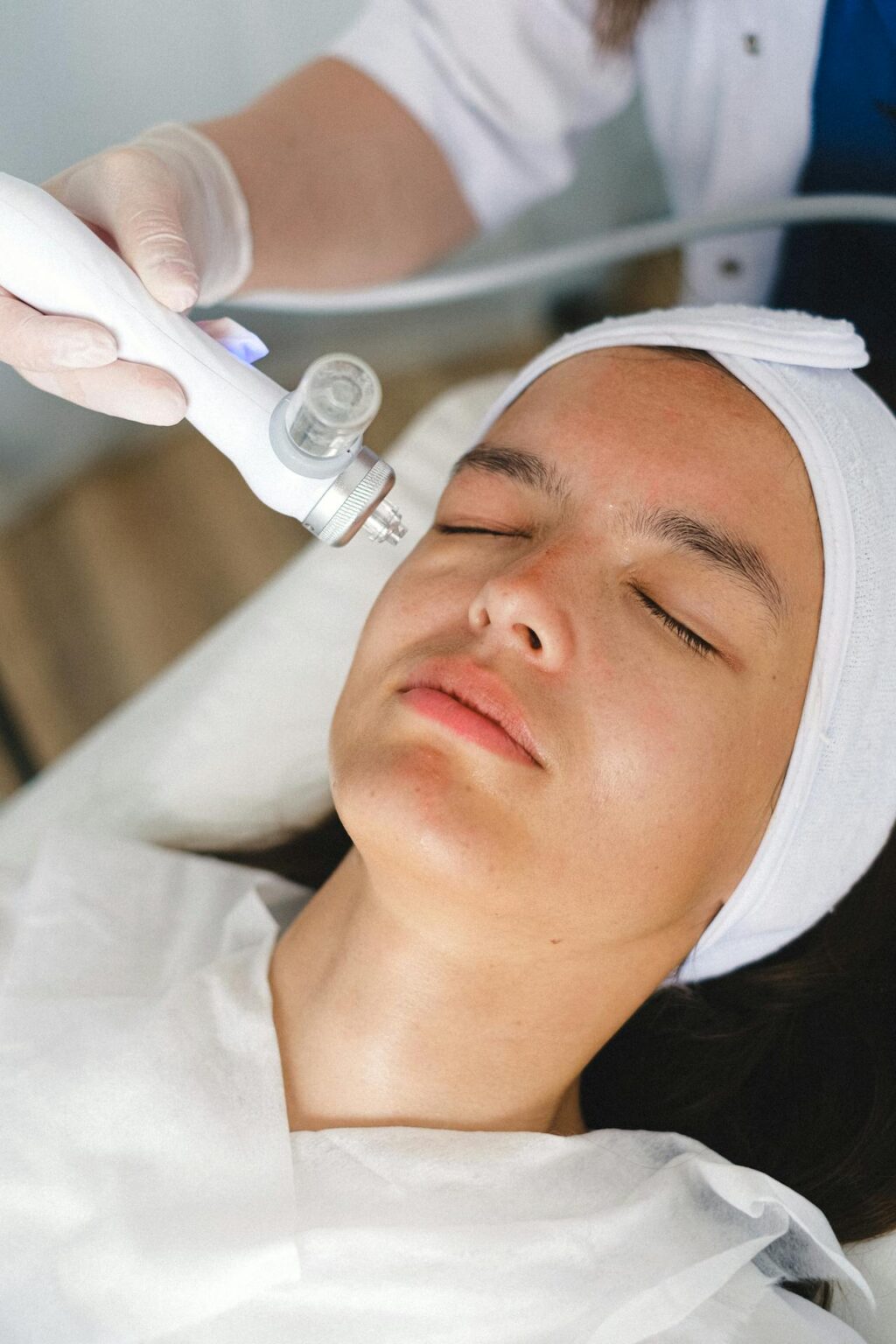
Taking care of mental wellness usually requires several measures that affect the body and mind. Although the physical advantages of non-invasive treatments are apparent, some procedures may also help patients feel more emotionally balanced. CoolSculpting is typically regarded as a cosmetic technique. But, there could be indirect mental health benefits as well. Knowing how this process relates to people’s mental wellness will give a broader view of how this helps people to be confident and relaxed.
External changes might lead to internal reflection
People who undergo bodily treatment may experience a change in the way they think about themselves and their situation. It does not guarantee these changes might lead them to rethink their handling of feelings, routines, or socializing. A small change in appearance might influence attitudes or give direction. Sometimes people think something is better, while others may not, and such small changes can have a big impact on the mind. Depending on their expectations, this can form a small but helpful support to overall mental balance. Such outcomes might not be easy to measure but may still hold personal value.
Reduced distractions may support daily mood
Focusing less on certain physical concerns may leave more space to think about other areas of life. This can include everyday plans, activities, or goals that have nothing to do with how you look. Some people have fewer distractions and mental interruptions after they no longer think about a part of their body. Though this does not replace therapy or mental health care, it may provide one small area where tension is reduced. Over time, the ability to concentrate or plan without that concern could make it easier to focus on more important needs. In particular, CoolSculpting in Dallas, or where you live can help reduce specific concerns in a way that supports confidence without requiring surgical procedures or extensive recovery plans.
Self-comparison might become less frequent
People often feel pressured against their comparison, especially with their appearance. It is difficult to do but some changes may lessen this behavior. Reducing this mental pattern could result in more neutral thoughts or less self-judgment. This type of shift does not usually occur immediately, but it may develop over time when previous concerns are addressed. Although it may not lead to full confidence, fewer comparisons may ease emotional pressure. People who feel less attached to these thoughts might report greater ease in social or professional interactions. Again, it does not resolve every issue, but even one fewer distraction can support mental processes in small ways.
Choice and action might create subtle reassurance
After a person makes a decision and follows it, their feeling of control may increase. Even a passing emotion may offer some psychological relief. When someone chooses an option and sees results that align with expectations, it might support belief in their ability to make decisions or guide personal change. This outcome is not always guaranteed, but it could strengthen mental structure. The link between action and outcome may become clearer, offering small proof that efforts can lead somewhere. This may apply to other parts of life as well, especially when people want to take steps forward. The ability to act, decide, and see a result may affect how they approach future decisions involving emotional or social change.
Appearance and confidence might connect indirectly
While an individual’s outward appearance is not their primary identity, it can affect how they interact and move through settings. Feeling more secure in appearance might lower certain social barriers or inner doubts. This sense of ease can reflect in posture, tone, or willingness to participate in various activities. Though it is not the sole factor in mental health, appearance-related comfort might reduce stress in settings that involve public attention. These changes may be minor and build over time, depending on personal history and goals. Confidence that grows from appearance comfort may not solve deeper concerns, but can serve as a starting point for further internal work. Emotional security sometimes needs multiple supports, and physical care may be one of them.
Conclusion
How you look and feel in your body can contribute to mental health and well-being. CoolSculpting can potentially do more than change what one sees on the surface. Depending on the patient’s situation, it may support their confidence, relieve stress, and more. It may assist in establishing emotional stability but not serve as a substitute for professional care. Through non-intrusive support of body image goals, it may, in effect, indirectly encourage a more balanced and more motivated mindset.