
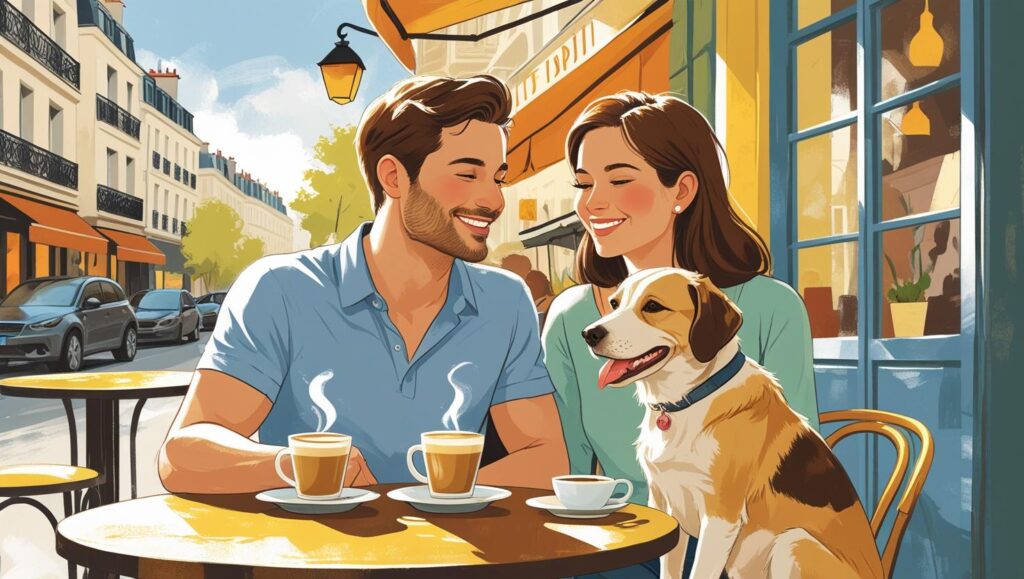
Bringing your dog along to social events is becoming increasingly popular. There are many benefits to including your dog in your social activities. Not only does it allow for more time spent together, but it can also help you feel more connected to others. In fact, socializing with your dog can be a game-changer, especially if you tend to feel a little awkward talking to people.
But even if you’re meeting people you already know, like friends, taking your dog with you can be a game-changer. Catching up with friends is one of those events where it is perfectly fine to bring your dog along. Naturally, you want to make sure your pet will be comfortable and will not disrupt the meetup. But, truth be told, most people, especially if you haven’t seen them in a long time, would instantly relax in the presence of a friendly dog. So, your dog can definitely become a good wingman, helping you get over the first moments of awkwardness when seeing long-distance friends again.
However, if you want the outing to go smoothly, it’s important to make the right preparations.
If you are planning to bring your dog to a coffee shop or café, here are some useful tips to ensure it’s a pleasant experience for everyone involved.

Choose a Dog-Friendly Coffee Spot
Before making plans, it’s important to find a café that welcomes dogs. While many places have relaxed pet policies, not all establishments are equally equipped for having dogs on the premises.
It is worth checking the café’s website or social media page. There should be clear signs that pets are welcome, such as photos of dogs, pet-friendly signage, or specific mentions in reviews.
It’s also worth considering the layout of the location. Outdoor patios or quieter corners are ideal. The less crowded and more relaxed the setting, the easier it will be for your dog.
Train Before You Go
Even in a dog-friendly environment, good behavior is essential.
Start practising with basic commands such as sit, stay, and settle. These commands will help you tell your dog to remain calm at your table. This avoids disrupting other customers, and it also ensures you can enjoy the time actually catching up with friends, rather than trying to manage your dog.
It’s a good idea to rehearse short “outings” in mildly busy environments. You can try a quiet park bench or a friend’s backyard to start. Then you can gradually build up your dog’s tolerance for stimulation and stillness. Another thing to remember is that younger pups are more likely to want to explore and play, while older dogs have a calmer temperament. So you need to plan accordingly, such as playing with your pup before heading to the café.
Bringing treats can also help reinforce positive behaviors. It’s also fair, as if you are sitting down for a coffee and cake, you want your dog to also have a nice treat.
Pack the Essentials in Style
Preparing a small set of supplies can make your coffee outing smoother and more enjoyable. At a minimum, you’ll want to bring water, a portable bowl, poo bags, and a few treats. A lot of coffee places will have a water bowl for pets, and some even have treats. But, it’s best to come prepared than not bring anything and discover the café has nothing either.
Rather than scrambling to gather everything each time, consider putting together a dedicated dog walk kit. These pre-bundled sets make it easy to grab and go, with stylish and practical combinations of harnesses, leashes, and accessories designed to match your dog’s needs.

Practice Good Doggie Etiquette
A few simple habits can help ensure that your outing goes smoothly and that other patrons feel comfortable too.
First, you want to keep your dog on a short leash. Whenever possible, make sure your dog can stay close to your table or under it. Letting them wander into walkways or approach other customers without permission is an absolute no-no. Not everyone is comfortable around dogs.
Know Your Dog’s Social Comfort Zone
Not all dogs are suited to busy public spaces. Before bringing your dog to a café, it’s important to consider their individual temperament and comfort level.
Some dogs are naturally confident and curious around new people and environments. Others may become anxious or overstimulated by unfamiliar sounds, movement, or crowds. So you want to pay attention to how your dog behaves in different situations.
If they appear tense or reluctant to settle, it may be best to keep the visit short, for example.
Knowing your dog’s limits is key. Ultimately, even well-behaved dogs may display negative behaviors when they are out of their comfort zone.

Hopefully, these few tips can help you get ready to take your dog with you next time.