
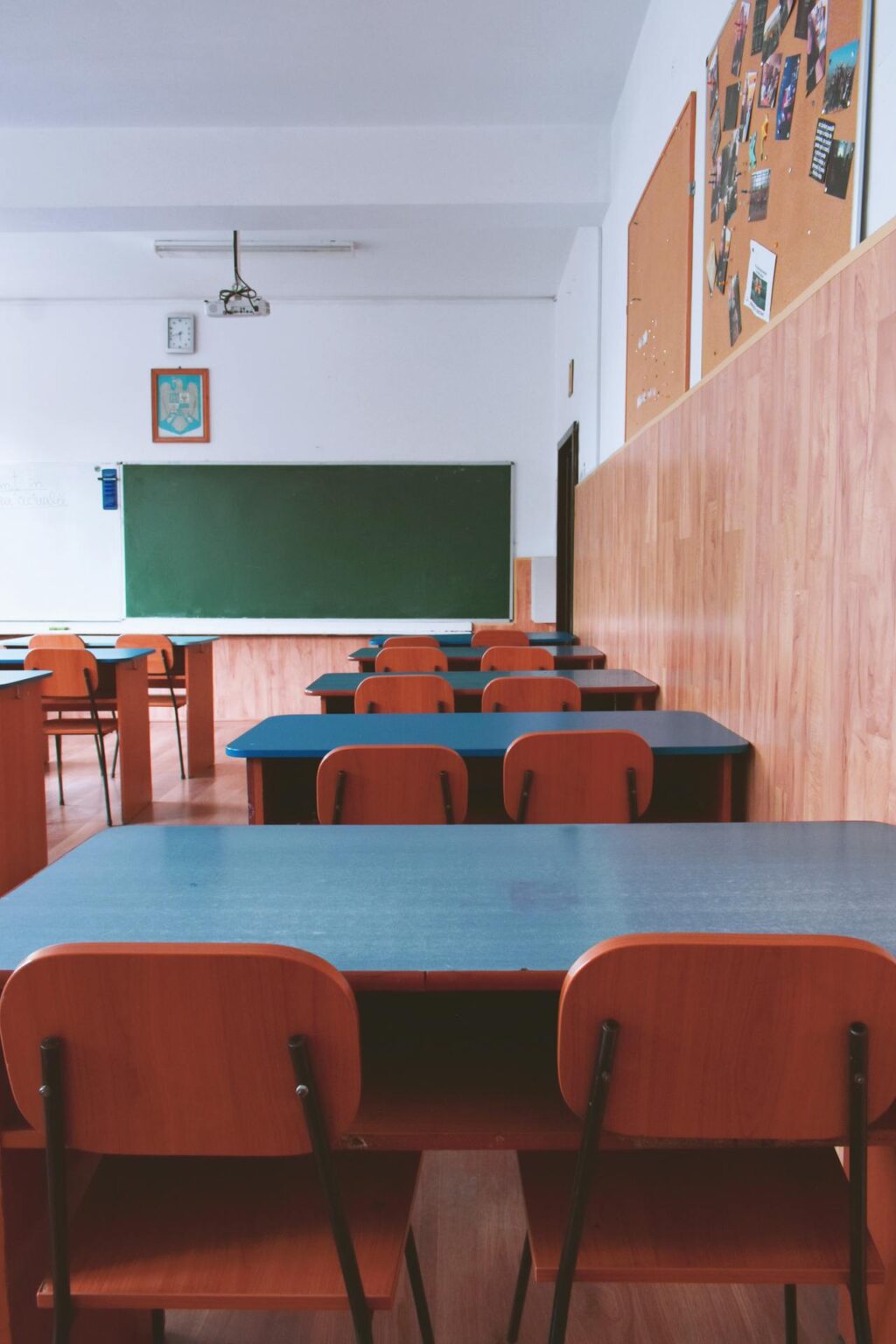
A bright classroom feels safe and ready for learning. Wide aisles keep chairs and desks from blocking paths. Smooth floors let feet move easily. Walls that stay clear of clutter help eyes rest and focus. Soft corners on tables cut the risk of bumps. Doors that open without force let hands move freely. Simple shapes and calm colors across the room lower distractions. Every part of the space helps minds settle and bodies stay secure. A room built on a clear design supports both comfort and sharp focus every day.
1. Clear and Organized Learning Space
A tidy area helps minds stay on the lesson. Desks line up with even gaps, so each person has room. Shelves hold supplies in labeled bins within arm’s reach. Cords run along walls with fast straps to stop trips. A wide rug marks a group spot without blocking walks. Walls display only key charts at eye level to guide focus. Every item sits in a set place to cut searching time. Bright labels on bins and books help hands grab the right tool fast. Simple order lowers noise and keeps attention on lessons. A clear setup helps both safety and steady learning every time.
2. Comfortable Seating and Proper Posture
A sturdy chair with a firm back supports each body shape. Cushions that stay in place soften seats without sliding around. Desk heights line up, so arms rest flat on the top. For balance, feet can be placed squarely on the ground or a small footrest. A slight tilt on the desk surface allows hands to move without straining. Soft edges on desk corners stop sharp knocks. Adjustable seats allow every person to find steady comfort. Steady posture helps eyes stay level with the board. Every shift in seating keeps the focus on learning rather than on aches. Strong support in each chair helps minds stay clear and active.
3. Optimal Lighting for Better Focus
Bright light over every desk keeps eyes fresh and sharp. Windows that face north let in soft daylight without glare. Ceiling lights stay evenly spaced to stop dark spots. Adjustable desk lamps shine on books without casting shadows. Blinds close to cut strong sun that makes eyes squint. Cool-white bulbs that do not flicker help each page look clear. Light colored walls allow light to be gently reflected throughout the room. Each bulb is hidden with a cover to spread brightness and reduce glare. Steady light reduces tired feelings in the eyes and head. Clear vision through even lighting helps reading, writing, and thinking stay strong.
4. Calm and Quiet Surroundings
Soft floor mats absorb echo and lower loud footsteps. A thick drape at the door stops sounds from the halls. Classroom walls that include a layer of insulation cut outside noise. A simple sound machine plays light white noise to mask sudden sounds. Rugs under desks reduce high-pitch clicks of chair legs. A closed-door policy during lessons stops hallway chatter from drifting in. Materials stay on shelves rather than on floors to cut rustle and crash. Soft-cushioned panels on walls soak up loud voices. Every step helps voices stay at safe levels. Gentle quiet supports listening, thinking, and talking at the right volume.
5. Secure Access to Digital Tools
Secure tablets and laptops lock onto desks with strong clamps. A simple code screen stops anyone from opening private files. A safe network hides data behind a locked gate. Approved sites load quickly without unwanted ads or pop-ups. A single dashboard shows all apps at once with clear icons. An easy log-in holds each person’s work safe and out of reach for others. A secure clicker system lets a teacher share or lock screens. Tools such as classroom management software link every device to the lesson space in real time. Every barrier keeps data safe and focuses on learning instead of on tech issues.
6. Regular Movement and Stretch Breaks
Short breaks between lessons help bodies stay loose and alert. Sitting still for a stretch under bright light refreshes both arms and legs. Gentle reach overhead opens up tight shoulders. A simple stand-and-sit exercise makes hips and knees move smoothly. Arm circles and neck rolls help eyes and hands stay ready for writing. Every shift in position boosts blood flow to the brain and muscles. Clear signals guide each move with easy steps that repeat each period. A calm pause in movement keeps energy at a steady level rather than low or too high. Small, regular moves support both safety and mental sharpness.
7. Structured and Interactive Materials
Colorful charts with big letters explain each topic with clear icons. Hands-on models fit into simple slots on the desk to show shapes and math ideas. Dry-erase boards at the front let each person draw and erase without mess. Slanted stands hold books open so hands stay free for pointers. Interactive cards slide into a board for quick quizzes that cut paper waste. A central screen shows the main steps in bright text and images that stay still. All materials rest on low shelves for easy reach without bending too far. Every tool keeps minds active and bodies safe from sharp edges or heavy items.
Conclusion
Strong learning spaces rest on clear design, steady support, and helpful tools. Bright light, calm sounds, and safe furniture help every mind stay ready. Secure tech, gentle breaks, and hands-on materials make lessons both safe and smooth. Simple order and steady routines keep focus on each new idea. A room built on these steps brings both comfort and sharp learning every day.