
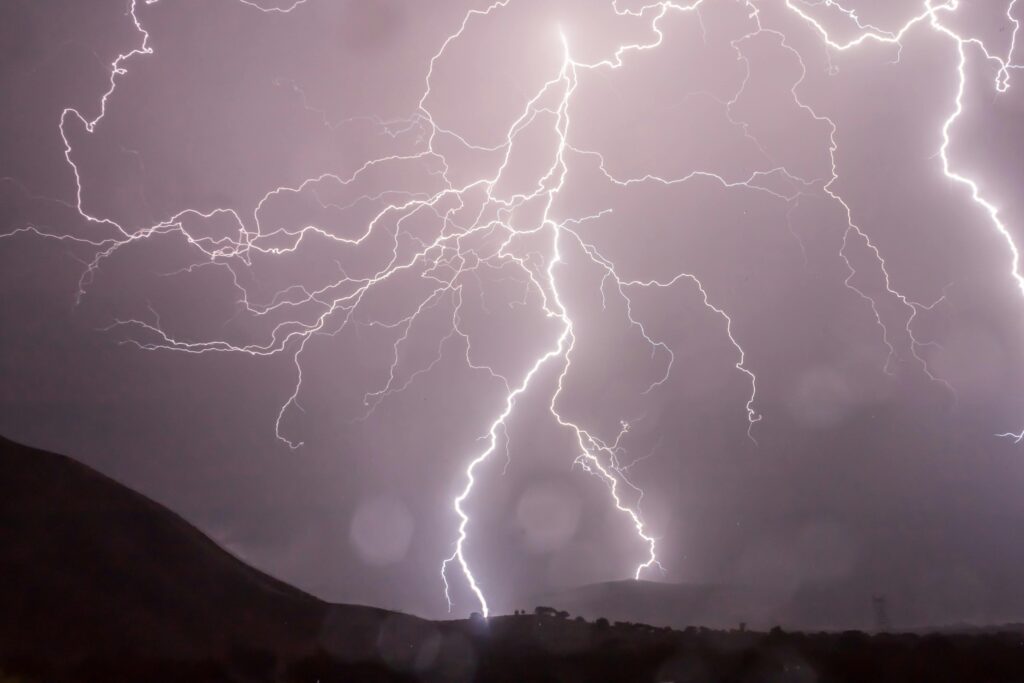
In the event of a storm, the first instinct is to seek safety. However, once the storm subsides, the subsequent damage becomes the focus. If your home is affected, you may be feeling lost and distraught. Concerns about ensuring your family’s safety, restoring your property, and how to get your life back together may leave you overwhelmed and clueless about your next step.
Here are five important and practical steps to take after your home is affected by storm damage.
1. Ensure Safety First
Before anything else, ensure your safety and that of your family. If your house sustains damage from wind, lightning strikes, or flooding during a storm, it poses a risk of further injury and danger. Hence, the first thing you need to do is ensure you and your loved ones are unharmed and safe. Do not take any unnecessary risks and wait to ensure safety before assessing your property or for documentation.
It is vital to be careful of potentially dangerous situations like a jagged window, a downed power line, or caved-in roofing materials. You may also be facing standing water, flooding, or collapsed walls. It is best to cut off gas, water, and power in the storm-hit areas. Keep an eye out for any displaced screws, exposed nails, broken glass or any other sharp object. It is better to evacuate and arrange a temporary refuge in case of storm damage. This becomes very important if your property’s roof is damaged or unstable, or if a part of any wall has collapsed.
2. Assess the Damage
After making sure that it is safe to be inside your home, take some time to really look around and get a clear picture of the damage. Do not rush into documenting everything right away. When emotions are high, it is easy to overlook details. Give yourself a moment, then walk through each room and check every part of your property, including the roof, yard, and lot. Look out for both obvious problems and smaller ones that might not be too obvious right away. Taking a careful, steady approach will help you catch everything that needs attention.
3. Document the Storm Damage
Now, start documenting anything that was damaged or lost during the storm. This will include your home, and other assets as well as important documents—anything of value. Use your phone to jot down notes while everything is still fresh. Take plenty of photos and make some videos, too. These will be really helpful when you are trying to recall the full extent of the damage later.
To collect thorough evidence of the damage, carefully walk through each room of your house and inspect all areas of your property, as long as it is safe to do so. Pay attention to both major and minor issues—look for things like roof leaks, missing shingles, dented gutters, broken windows, or doors. Also, look for flooding in the basement, signs of moisture or fire damage, exposed wiring, and water-damaged furniture or appliances. Also, remember your personal belongings, as these are usually covered under homeowner’s insurance up to a certain limit.
Try to do all of this before beginning any cleanup or repairs. It is very important to have a clear record of what things looked like right after the storm. Once you have collected everything, store your notes, images, and video clips in a secure spot. This way, you will have everything ready to go when it is time to file your insurance claim.
4. Begin the Insurance Claim Process
Once the storm has passed and it is safe to do so, get in touch with your insurance company as soon as possible. It is important to have an adjuster assess the damage before any major cleanup or repairs begin. Try to leave things as they are, unless something absolutely needs to be moved for safety. When you speak with your agent, have all your photos, videos, and notes ready to back up your insurance claim. If you are unsure about what is needed, ask them exactly about what documents or evidence they require so that there are no ambiguities.
5. Work With a Professional Contractor for Restoration
When it is time to repair and rebuild after storm damage, it is important to choose a professional and credible contractor to repair your property. It is worth putting in the time to find someone local, properly licensed, and of course with a good reputation. It is always a good idea to ask questions, check reviews, and confirm their credentials. Do not try to speed things up by going with the first person you come across, no matter how tempted you are. Take some time to do your homework, and it will save you from bigger headaches later.
Many contractors offer their services during times of need, and while most aim to help, it’s important to choose professionals who are truly equipped to handle your specific situation. Look for those who take the time to explain your options clearly and avoid rushing you into decisions. For example, if your roof was damaged during the storm, you can seek the help of established roofing contractors in Los Angeles, or in your area. Taking this approach helps ensure your home restoration is handled with care and expertise.
Conclusion
Recovering from a storm is not easy and can be quite challenging, depending on the loss and damage you may have suffered in the instance of one. However, restoring your property and resuming normalcy in your life requires you to take logical and mindful steps so that you can get your life back in order.