Bathrooms deal with more moisture, temperature changes, and daily wear than almost any other room in the house. Between busy mornings, children’s bath times, and evening showers, it is easy to overlook the small signs that something needs attention.
Unfortunately, minor bathroom problems rarely improve on their own. A little discolored grout, a dripping tap, or a slow drain might not seem urgent, but ignoring these issues can eventually lead to expensive repairs, water damage, and unnecessary disruption.
The good news is that many common bathroom problems are preventable. You do not need an expensive renovation or a complicated maintenance routine to protect your bathroom. A few simple habits, regular inspections, and timely repairs can help keep everything looking good and working properly for years.
Here are five bathroom problems that are much easier to prevent than repair, along with practical steps you can take to avoid them.
Table of Contents
1. Mold Growing Around Tiles and Fixtures
Mold thrives in warm, damp environments, making bathrooms one of its favorite places to grow. It often appears around shower screens, window frames, ceilings, grout lines, and the silicone seals surrounding baths.
Poor ventilation is one of the biggest contributing factors. When moisture remains trapped after a shower, condensation settles on walls, ceilings, and other surfaces, creating conditions where mold can develop.
Although small patches of surface mold may seem like a minor cosmetic issue, persistent moisture can eventually damage paint, sealant, plasterboard, and other building materials.
How to Prevent Bathroom Mold
Start by improving ventilation. Run your bathroom extractor fan during showers and leave it running afterward to help remove excess humidity. If your bathroom has a window, open it when weather conditions allow.
Wiping down shower walls, glass screens, and other wet surfaces can also help reduce lingering moisture. Pay particular attention to corners, silicone seals, and areas behind fixtures where water tends to collect.
Regularly inspect your bathroom for condensation, musty smells, and discoloration. If mold keeps returning despite cleaning and ventilation improvements, investigate the underlying cause rather than repeatedly covering up the problem.
Persistent mold may indicate hidden leaks, inadequate ventilation, or moisture trapped behind bathroom surfaces.
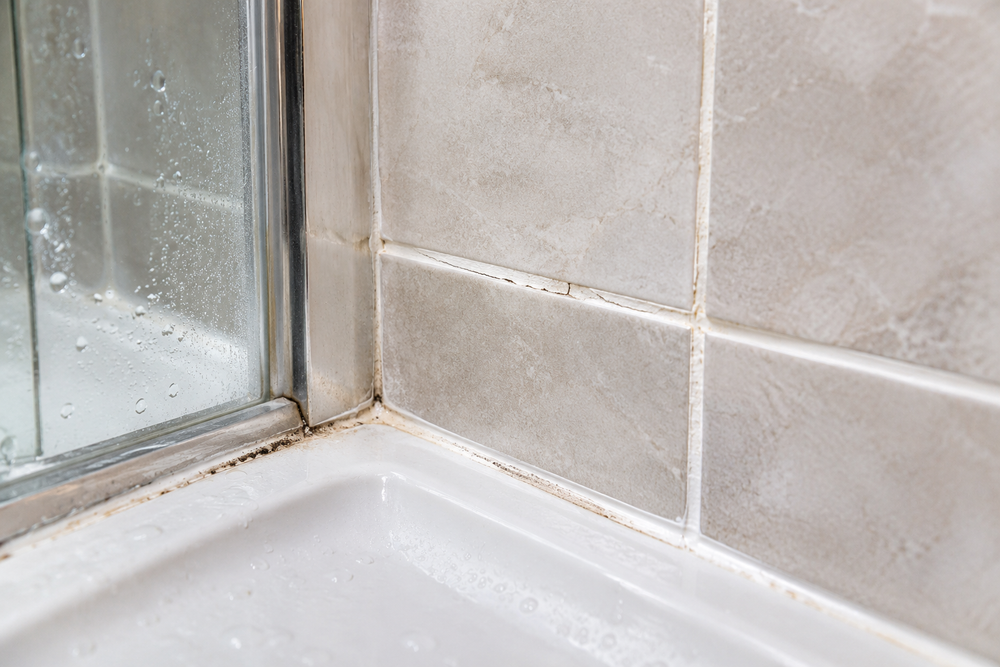
2. Cracked Grout and Deteriorating Seals
Grout fills the gaps between bathroom tiles, while flexible sealants help protect joints where different surfaces meet. Together, they contribute to the appearance and maintenance of tiled areas.
Over time, grout and silicone can deteriorate through regular exposure to water, cleaning products, temperature changes, and movement.
Small cracks or gaps might seem harmless, but they can allow moisture to reach areas behind tiles or around bathroom fixtures. When left untreated, these problems may contribute to loose tiles, damaged substrates, and hidden water damage.
How to Protect Bathroom Grout and Seals
Make it a habit to inspect grout lines, shower corners, bathtub edges, and areas around sinks.
Look for crumbling grout, loose tiles, peeling silicone, discoloration, and surfaces that remain damp long after use.
Professional tile and grout resealing can help protect suitable tiled surfaces against moisture penetration and staining, although damaged waterproofing may require more extensive repairs.
It is also important to remember that grout and sealant are not substitutes for a properly functioning waterproofing system. If water has already penetrated behind tiles, simply applying a new layer of sealant may not resolve the underlying problem.
Taking action when seals begin to fail is generally much easier and less expensive than dealing with extensive water damage later.
3. Slow Drains and Unpleasant Smells
A slow-draining shower or sink is often one of the earliest signs of a developing blockage.
Hair, soap residue, toothpaste, and everyday debris gradually accumulate inside pipes, restricting the flow of water. Ignoring the problem can eventually result in standing water, unpleasant smells, or a completely blocked drain.
Bathroom drain problems are especially frustrating because they can disrupt daily routines and sometimes require professional plumbing repairs.
How to Prevent Bathroom Drain Blockages
Simple preventative habits can make a noticeable difference.
Use drain covers or hair catchers in showers and bathtubs to prevent hair and debris from entering the plumbing system. Remove collected material regularly rather than allowing it to accumulate.
Avoid washing unsuitable materials down bathroom sinks, including cotton swabs, wipes, excessive hair, and other items that do not break down easily.
Cleaning accessible drain components periodically can also help prevent soap residue and debris from building up.
If drainage problems persist, arrange a professional inspection rather than repeatedly using harsh chemical drain cleaners, which may damage certain plumbing materials.
Pay attention to recurring odors as well. Sometimes unpleasant smells are caused by trapped debris, while other situations may indicate plumbing or drainage problems that require further investigation.
Addressing slow drains early can help you avoid the inconvenience and expense of a complete blockage.
4. Leaking Taps and Hidden Water Waste
A dripping tap is easy to ignore, especially when the leak seems minor. However, even a slow drip can waste a surprising amount of water over time.
Leaks may develop because of worn washers, damaged cartridges, loose connections, or deteriorating plumbing components.
Some leaks are immediately obvious, but others occur beneath sinks, behind bathroom fittings, or inside cabinets, making them harder to detect.
Hidden moisture can damage cabinetry, flooring, walls, and surrounding materials before you realize there is a problem.
How to Identify Bathroom Leaks Early
Check underneath basins periodically for damp patches, water stains, swelling, or unusual smells.
Inspect visible plumbing connections and look for signs of corrosion, dripping, or moisture collecting around fittings.
It is also worth paying attention to changes in water pressure and unexpected increases in water bills.
If you notice a tap that continues dripping after it has been turned off, arrange for the faulty component to be repaired or replaced.
Do not overlook the area around toilets, either. Water pooling near the base, unexpected running-water sounds, or a toilet that continually refills can indicate plumbing problems.
Repairing small faults promptly can help prevent further damage, reduce unnecessary water consumption, and avoid more expensive repairs.
5. Damaged Bathroom Surfaces
Bathroom surfaces face constant exposure to water, toiletries, cleaning products, and everyday wear.
Using unsuitable cleaners can gradually damage finishes, leaving tiles dull, fixtures scratched, and protective coatings weakened.
Abrasive scrubbing tools, harsh chemicals, and products that are incompatible with certain materials can cause damage that is difficult or expensive to reverse.
Natural stone, acrylic, glass, porcelain, and coated metal fixtures may all require different cleaning methods.
How to Keep Bathroom Surfaces in Good Condition
Choose cleaning products designed for the specific materials in your bathroom.
Avoid abrasive tools on delicate surfaces and follow manufacturer recommendations when cleaning bathtubs, shower trays, countertops, and fixtures.
Regular gentle cleaning is often more effective than allowing dirt, hard-water deposits, and soap residue to build up before tackling them with stronger chemicals.
Wiping down surfaces after use can also help reduce mineral deposits and prevent moisture from sitting in vulnerable areas.
Inspect countertops, vanity units, bathtub surrounds, and shower fixtures for early signs of damage. Small chips, peeling finishes, or damaged edges may need attention before water can penetrate the material underneath.
By using appropriate products and maintaining surfaces regularly, you can help preserve their appearance and extend their useful life.
A Simple Bathroom Maintenance Checklist
Preventing common bathroom problems does not require spending hours cleaning or inspecting every fixture. A few regular checks can make maintenance easier and help you notice problems before they become expensive.
Use this checklist to keep your bathroom in good condition:
- After showers: Run the extractor fan, remove excess water from surfaces, and allow the room to dry.
- Weekly: Clean visible soap residue, remove hair from drain covers, and check for damp areas.
- Monthly: Inspect grout, silicone seals, taps, and plumbing connections for signs of wear or leaks.
- Every few months: Check ventilation performance, look for recurring mold, and inspect surfaces for chips, cracks, or damaged finishes.
- Whenever something changes: Investigate unusual smells, slow drainage, new water stains, persistent condensation, or unexpected increases in water usage.
These small habits can help you identify developing bathroom problems without turning maintenance into another overwhelming household chore.
Frequently Asked Questions About Bathroom Problems
What are the most common bathroom problems?
Some of the most common bathroom problems include mold growth, cracked grout, deteriorating silicone seals, slow drains, dripping taps, and damaged surfaces. Many develop gradually because of moisture exposure, everyday use, or maintenance issues.
How often should you inspect your bathroom for problems?
A quick monthly inspection is a practical starting point for checking taps, seals, grout, and visible plumbing. Areas exposed to frequent moisture may benefit from more regular attention, especially if you have previously experienced leaks or mold growth.
Can small bathroom leaks cause serious damage?
Yes. Even minor leaks can contribute to moisture damage when water reaches cabinetry, flooring, walls, or other vulnerable materials. Finding and repairing leaks early can help prevent more extensive problems.
Is it better to repair or replace damaged bathroom grout?
The best approach depends on the extent of the damage. Small areas of deteriorating grout may be suitable for repair, while widespread cracking, loose tiles, or underlying moisture problems may require professional assessment and more extensive work.
Final Thoughts: Prevent Bathroom Problems Before They Become Expensive Repairs
Bathroom maintenance does not need to become another overwhelming household chore. A few minutes spent checking seals, cleaning drains, managing moisture, and inspecting plumbing can help prevent many common bathroom problems.
The most important habit is paying attention to changes in how your bathroom looks, smells, and functions. Discolored grout, persistent condensation, dripping taps, and slow drains are often early signs that something needs attention.
Addressing small issues promptly can save money, reduce disruption, and help keep one of the busiest rooms in your home in good condition.
Preventative bathroom maintenance is almost always easier to manage than dealing with extensive water damage, major plumbing repairs, or replacing damaged surfaces. A little attention now can help protect your bathroom and your home for years to come.