Protecting your home starts with recognizing everyday vulnerabilities that can make unwanted access easier. Strong security does not always require expensive equipment or major renovations. Many effective ways to improve your home security involve practical upgrades and consistent habits that help you feel more confident about your surroundings. By examining entrances, improving visibility, and making thoughtful changes to your routines, you can create a safer environment for everyone in your household.
Strengthen Your Exterior Doors
Your exterior doors form the first physical barrier between your household and an intruder. Inspect each door for loose hinges, damaged frames, or gaps that affect how securely it closes. Reinforce strike plates with longer screws that reach the framing behind the jamb, and make sure every exterior entrance has a properly installed deadbolt.
Pay attention to doors that stick, warp, or no longer latch consistently. These problems can indicate structural wear rather than minor cosmetic damage. Learning the signs it’s time to replace your entry door helps you decide when repairs will no longer provide dependable protection. Choose a replacement with a durable core and compatible hardware, then have a qualified installer check the fit.
Upgrade Locks and Manage Access
Even reliable locks become less useful when too many people possess spare keys. Consider rekeying your locks after moving into a new property or losing track of an old key. Avoid hiding spares beneath planters or outdoor decorations, where someone might easily find them. Instead, arrange access through a trusted person or a secure method that suits your household.
Smart locks can simplify access management by allowing you to change codes without replacing hardware. Some models also record entry activity, which can help you notice unusual patterns. Select products with strong account protection, keep their software updated, and maintain a backup entry plan. Ask a locksmith to evaluate unfamiliar hardware before attempting complicated repairs yourself.
Make Windows Harder To Access
Windows deserve the same attention as exterior doors, particularly on the ground floor or near accessible rooftops. Check that every window closes completely and that its locking mechanism engages without resistance. Replace damaged latches promptly rather than relying on the window’s weight to keep it shut. Where appropriate, consider additional locks that allow safe ventilation without leaving a wide opening.
Keep shrubs trimmed around windows so they do not create convenient hiding places. Window sensors can alert you when someone opens a protected window, while security film may help hold shattered glass together. Preserve emergency escape routes and confirm that any added hardware allows occupants to exit quickly during a fire.
Improve Outdoor Lighting
A well-illuminated exterior makes it easier to notice activity around your property after dark. Focus on pathways, side entrances, and areas near garages where poor visibility can conceal movement. Motion-activated fixtures can provide light when someone approaches without requiring you to leave every bulb on overnight. Position lights carefully to reduce glare into neighboring homes and avoid creating deep shadows.
Check fixtures regularly for burned out bulbs or sensors that no longer respond. Consider timers for porch lighting when your schedule changes frequently. Lighting works best when it supports clear sightlines rather than overwhelming the property with brightness.
Choose Security Cameras Thoughtfully
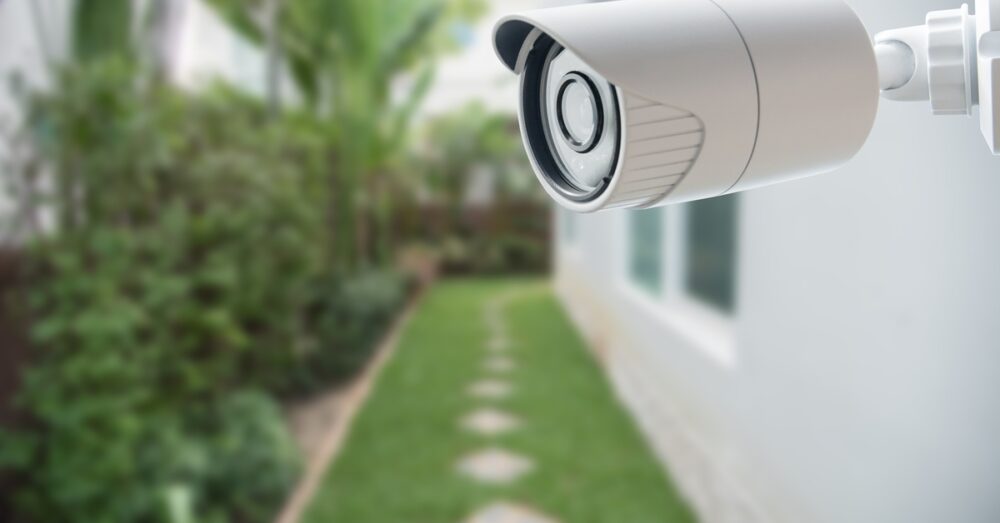
Cameras can help you monitor deliveries and review activity around important entrances. Start by identifying what you actually need to see, such as the front walkway or driveway. Mount devices where they capture useful details without unnecessarily recording neighboring private spaces.
Protect connected cameras with unique passwords and multifactor authentication when available. Update device software regularly, and limit access to household members who need it. Notifications can be useful, but excessive alerts may encourage you to ignore important events. Adjust motion zones so the system focuses on meaningful activity instead of every passing vehicle.
Build Better Everyday Habits
Home security depends as much on behavior as equipment. Establish a simple evening routine that includes checking accessible windows and locking exterior doors. Ask household members to follow the same process so everyone understands their responsibilities. Avoid announcing extended absences publicly while your property sits unattended, especially when posts reveal precise travel dates.
When leaving for several days, arrange for someone you trust to collect packages or check for unexpected problems. Use lighting schedules to maintain a normal appearance without creating an obvious repetitive pattern. Keep ladders and tools in secure storage because they could help someone reach vulnerable openings.
Secure Garages and Secondary Entrances
Garages often contain valuable belongings and may provide direct access to living areas. Test the garage door’s closing mechanism and inspect its weather seals for deterioration. Keep remote controls out of vehicles parked outdoors whenever possible. If your garage connects to your house, give the connecting door the same locking attention as your main entrance.
Do not overlook basement doors or gates along the side of your property. Repair broken latches and ensure outdoor storage areas close securely. If you use a garage door opener with internet connectivity, protect its account and review any shared permissions.
Create a Household Response Plan
Security measures should help your family respond calmly when something unusual happens. Discuss what everyone should do if an alarm sounds or someone attempts to enter unexpectedly. Identify a safe place to gather and agree on how to contact emergency services. Teach children not to open the door for unfamiliar visitors without permission.
Test alarms according to manufacturer guidance and replace weak batteries before they fail. Keep emergency contact information accessible without placing sensitive details in public view. If you notice signs of forced entry, avoid investigating alone and contact local authorities from a safe location.
Maintain Your Security Improvements
Effective protection requires occasional reassessment as your property and routines change. Walk through your home periodically to check whether locks operate smoothly and cameras still cover intended areas. Seasonal weather can loosen hardware or affect outdoor electronics, so address problems when you notice them. Review access codes after household changes and remove permissions that are no longer necessary.
Set a realistic maintenance schedule instead of waiting for equipment to malfunction. When considering a new purchase, prioritize the weakness it addresses rather than choosing features simply because they appear advanced. Consistent maintenance helps existing improvements remain dependable over time.
Make Your Home Safer With Practical Changes
The most effective ways to improve your home security combine sturdy entry points with attentive daily habits. Begin with obvious weaknesses, then add technology where it genuinely supports your needs. Regular checks and clear household expectations help each improvement deliver lasting value. With a thoughtful approach, you can strengthen protection while keeping your home comfortable and welcoming.