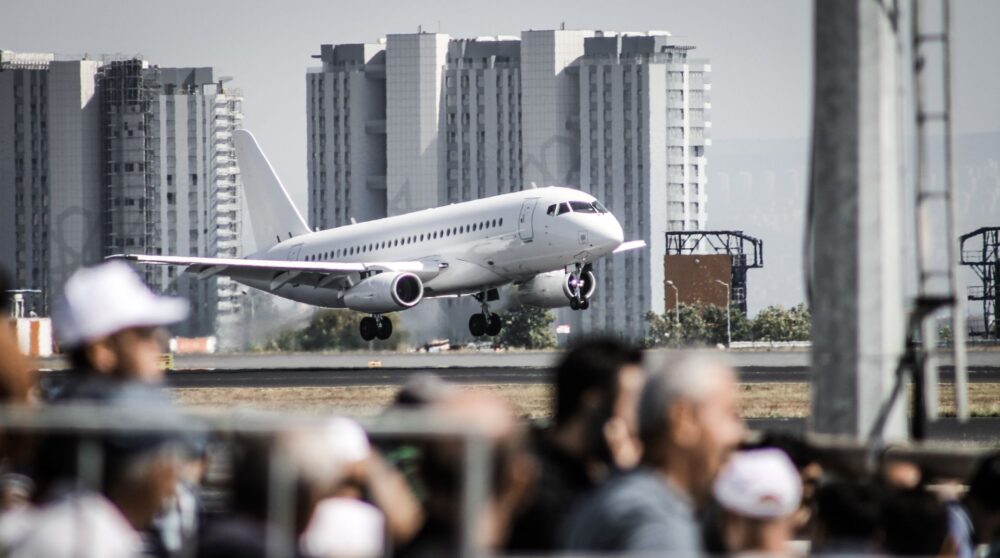
When passengers board an aircraft, they focus on finding their seats, stowing luggage, and getting comfortable for takeoff. Few give thought to the intricate systems working behind the scenes to keep the plane airborne and safe. The truth is that modern aviation safety depends on thousands of components that operate far from public view, each designed and maintained to exacting standards. These hidden systems represent decades of engineering innovation and rigorous testing, all working together to make flying one of the safest forms of transportation available today.
Understanding Hidden Safety Systems in Aircraft
Aircraft are equipped with multiple redundant systems that passengers rarely encounter or consider during their flights. The hydraulic systems, for example, power everything from landing gear to flight control surfaces, and most modern planes include three or four independent hydraulic systems so that if one fails, others can maintain control. Electrical systems include backup generators and battery banks that activate automatically if main power is lost, ensuring that critical instruments and communications equipment remain functional. Fire detection and suppression systems run throughout the aircraft, constantly monitoring for smoke or dangerous temperatures in engines, cargo holds, and other critical areas. These systems operate silently and invisibly, yet they represent some of the most important safety features on any aircraft. Pilots train extensively on how to respond if these systems malfunction, and aircraft cannot legally fly until every system passes rigorous inspection.
The Role of Avionics and Navigation Equipment
Modern aircraft rely on sophisticated avionics packages that guide planes through the sky with remarkable precision. These systems include terrain awareness and warning devices that alert pilots if the aircraft is descending too quickly toward the ground, preventing accidents caused by pilot error or instrument failure. Weather radar systems allow pilots to see storm systems and turbulent air ahead, giving them time to avoid dangerous weather or adjust altitude to find smoother air. Autopilot systems do more than simply maintain altitude and heading; they can perform automatic landings in low visibility conditions and help pilots manage workload during long flights. Traffic collision avoidance systems communicate with other aircraft and ground radar to prevent mid-air collisions, which are extremely rare but catastrophic events. Communication systems, including backup radio frequencies and satellite-based networks, ensure that pilots can always reach air traffic control and receive critical information about runway conditions, weather updates, and traffic patterns.
Structural Components Built for Durability and Integrity
The airframe itself undergoes constant inspection and maintenance to catch any signs of metal fatigue, corrosion, or structural damage before they become hazardous. Aircraft fuselages are pressurized to maintain a safe cabin environment at high altitudes, and this pressurization system includes multiple safety valves and pressure relief mechanisms to prevent dangerous fluctuations. Wing structures are designed with a safety factor that allows them to withstand forces far greater than they will ever experience during normal flight operations. Engine components are among the most heavily inspected parts of any aircraft, as these turbines and compressors operate at temperatures and pressures that would destroy almost any other material. Foreign object damage, such as debris ingestion or bird strikes, is mitigated through design features like reinforced engine inlets and special screens. Landing gear assemblies include redundant braking systems and shock-absorbing struts that must function perfectly to ensure safe landings on various runway surfaces and in different weather conditions.
Maintenance Standards and Regulatory Oversight
The Federal Aviation Administration and international regulatory bodies set mandatory maintenance schedules that require detailed inspections at regular intervals based on flight hours, calendar time, and takeoff and landing cycles. Maintenance teams follow detailed checklists and technical documentation that specify exactly how to inspect, test, and replace components to maintain aircraft airworthiness. Some inspections are relatively routine, such as checking fluid levels and examining visible wear, while others are comprehensive overhauls that require disassembling major systems to inspect internal components for cracks or fatigue. Aircraft maintenance records are meticulously documented, creating a complete history that helps identify patterns of wear or recurring issues that might indicate a design vulnerability or manufacturing defect.
Ground support operations are equally critical to this process, and facilities expanding their fleets often seek a tug for sale to ensure aircraft can be repositioned safely and efficiently during maintenance cycles. Maintenance technicians receive extensive training and certification specific to the aircraft types they service, ensuring they understand the unique characteristics and requirements of each model. Regular audits and compliance checks ensure that maintenance facilities adhere to required standards and that no corners are cut in the pursuit of efficiency.
The Human Element in Aviation Safety
Pilots, flight attendants, and air traffic controllers form the human backbone of aviation safety, constantly monitoring systems and making decisions that protect everyone on board. Flight crews train regularly in simulators where they practice responding to emergencies ranging from engine failures to decompression events, ensuring they can handle crisis situations with calm professionalism. Maintenance personnel take responsibility seriously, knowing that overlooking a small problem during inspection could have catastrophic consequences. Air traffic controllers coordinate thousands of flights daily, managing complex three-dimensional airspace to prevent collisions and ensure safe separation between aircraft. Communication protocols and standardized procedures help ensure that information is conveyed clearly and misunderstandings are minimized, even when crews speak different native languages. This combination of advanced technology and highly trained human operators creates multiple layers of protection that allow aviation to maintain its remarkable safety record.
Conclusion
The safety systems and components that travelers never see represent an enormous investment in technology, training, and oversight that makes modern aviation exceptionally safe. From redundant hydraulic and electrical systems to advanced avionics and rigorous structural inspections, every aspect of aircraft design and maintenance prioritizes passenger safety. Regulatory standards, maintenance procedures, and the expertise of aviation professionals combine to create an environment where the risks of flying are remarkably low. While it is easy to take for granted the safety of commercial air travel, that safety is the direct result of countless hidden components working together seamlessly, combined with the dedication of skilled professionals who maintain and operate aircraft every single day. Understanding these invisible systems provides reassurance that modern aviation operates with a level of precision and care that keeps millions of travelers safe in the skies.