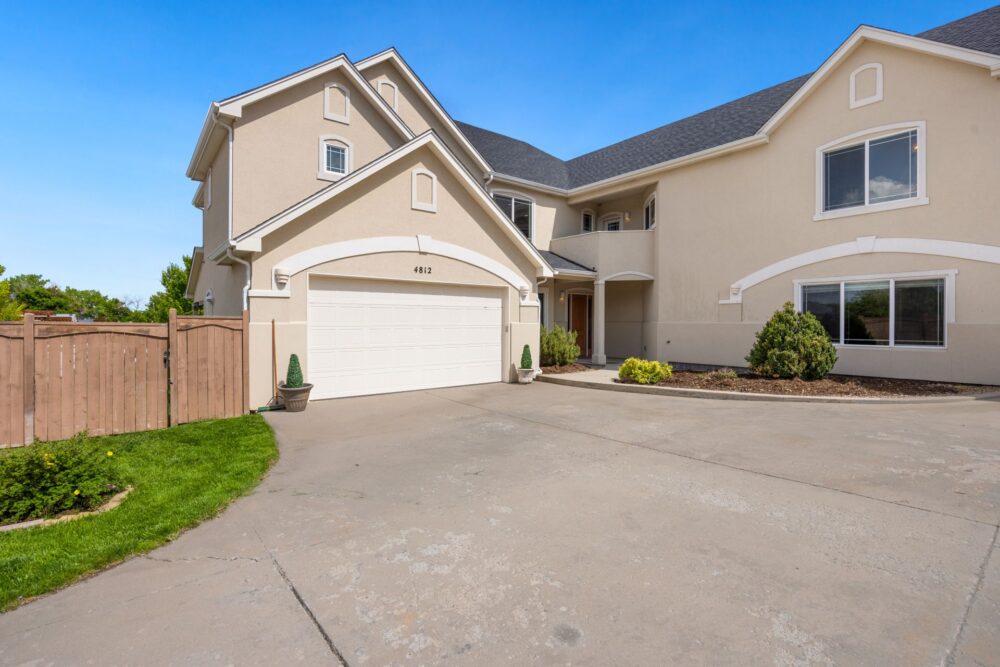
Most homeowners think of garage door safety features as basic conveniences that prevent their car from being damaged or stolen. The reality is far more comprehensive. Modern garage door safety systems serve multiple critical functions that extend well beyond vehicle protection to safeguard your entire household, your property value, and your legal liability. Understanding what these features do and why they matter supports informed decisions about garage door installation and maintenance.
1. Preventing Accidental Entrapment and Crushing Injuries
One of the most vital safety features on any garage door is the auto-reverse mechanism, which stops and reverses the door’s movement when it encounters an obstruction. This system has prevented countless serious injuries since it became standard in modern garage doors. When a door closes and touches something in its path, a person, a pet, or an object, the sensors trigger an immediate reversal to prevent crushing or trapping incidents. Auto-reverse protection is now mandated by building codes and federal regulations in most regions.
Children are particularly vulnerable to garage door accidents because they may not recognize the dangers involved. A garage door can weigh between 300 and 800 pounds, and the force it exerts when closing is substantial. Without proper safety features, a child standing in the door’s path could suffer severe injuries. The auto-reverse feature works automatically, requiring no human intervention to prevent these scenarios.
These mechanisms also protect adults during everyday use. Someone could be carrying groceries into the garage, or a family member might be walking underneath the opening while the door closes. Safety sensors detect these situations and stop the door before harm occurs. This automatic protection applies to anyone in or near the garage, regardless of age or attentiveness.
2. Detecting Obstacles with Motion and Pressure Sensors
Modern garage doors rely on photoelectric sensors, also called photo eyes, which create an invisible beam across the bottom of the door opening. If anything breaks this beam as the door closes, the sensors signal the door opener to reverse immediately. These sensors are highly sensitive and can detect even small objects or pets that might otherwise go unnoticed. They provide continuous protection without requiring anyone to actively monitor the door.
Many garage doors also include pressure-sensitive edges that run along the bottom panel. These edges detect direct contact with objects or people in the door’s path and trigger reversal just as effectively as photo eyes. The combination of both sensor types creates redundancy in the safety system, ensuring that if one sensor malfunctions, the other provides backup protection. This layered approach is particularly valuable in households with young children or pets.
Pressure sensors have evolved significantly and now offer remarkable precision. They can distinguish between a heavy obstruction that requires reversal and a light leaf that might blow into the door’s path, preventing unnecessary reversals while maintaining protection against genuine hazards. Regular testing through the manual test function on your garage door opener keeps these sensors responsive and reliable.
3. Limiting Force and Ensuring Smooth Operation
Federal regulations require garage door openers to limit the force that doors can exert during closing. This means that even if sensors fail, the door cannot apply unlimited crushing force to whatever is in its path. The force limit is calibrated to stop or reverse the door when it encounters resistance beyond a set threshold. This feature operates independently of electronic sensors, providing a mechanical safety net when technology fails.
The force-limiting feature is particularly useful for older garage doors or those that may be slightly misaligned. Even a door that is not perfectly balanced will meet its force limit before it can cause severe injury. Regular maintenance, including checking balance and alignment, keeps these limits effective and prevents excessive strain on the opener.
Understanding your garage door’s force settings can help you identify problems early. If your door suddenly closes more slowly or reverses without an obvious cause, it may be detecting resistance that signals a maintenance issue. Homeowners who rely on garage door services when adjusting force settings or diagnosing mechanical problems benefit from expert calibration that ensures both safety and long-term performance. Addressing these problems promptly prevents hazards and extends the life of the system.
4. Providing Visibility and Emergency Access
Modern garage doors often include windows or glass panels that allow you to see inside from the exterior. You can verify that a vehicle or person is not in the door’s path and confirm the garage is clear before operating the door. For parents and caregivers, this visibility provides awareness of where children or pets are before the door begins moving. The feature adds a simple but meaningful layer of situational awareness to daily routines.
Emergency access features protect your safety if you become trapped or if the door malfunctions during use. Most garage door openers include a manual release cord that allows you to lower the door by hand if power is lost or the opener fails. Teaching all family members the location of this cord and how to use it can prevent panic in unexpected situations. This knowledge is especially valuable during power outages caused by severe weather.
Some newer garage doors also include battery backup systems that allow the door to operate when main power fails. While not required on all installations, these systems ensure you can exit the garage safely during an electrical outage. They add reliability and peace of mind for households that frequently experience power interruptions.
5. Protecting Your Home from Weather and Security Threats
Garage door safety features extend to weather protection and home security. A properly functioning garage door with complete seals and no gaps keeps rain, snow, wind, and temperature extremes from entering the garage interior. This protection preserves vehicles, stored tools, and other belongings, and reduces strain on your home’s climate control system. A damaged or malfunctioning door with gaps allows weather elements inside, potentially causing significant property damage.
The security aspects of garage door safety are equally significant. A door that opens and closes properly, with functioning locks and sensors, prevents unauthorized entry to your garage and home. A door that sticks, requires excessive force to open, or has broken panels creates vulnerabilities that can be exploited. Modern smart garage door systems add another layer by allowing remote monitoring and control, with alerts sent to your phone if the door opens unexpectedly.
A well-maintained garage door also protects your property value and curb appeal. Potential home buyers view a functional, attractive garage door as an indicator of overall home maintenance standards. A broken or poorly maintained door can suggest neglect and reduce property value at the time of sale. Investing in proper safety features and routine maintenance reflects responsible homeownership and protects your financial investment.
Conclusion
Garage door safety features represent far more than optional conveniences or basic protection for parked vehicles. They form an essential system that safeguards your family from serious injury, protects your property from weather damage and unauthorized entry, and keeps your home operating reliably. From auto-reverse mechanisms to pressure sensors, force limiters, and emergency access features, each component serves a distinct protective purpose. Regular maintenance of these systems, including testing sensors and checking door balance, ensures they continue to function effectively. Treating garage door safety features as critical home infrastructure rather than simple equipment is one of the most practical ways to protect the wellbeing of your household and the security of your home.