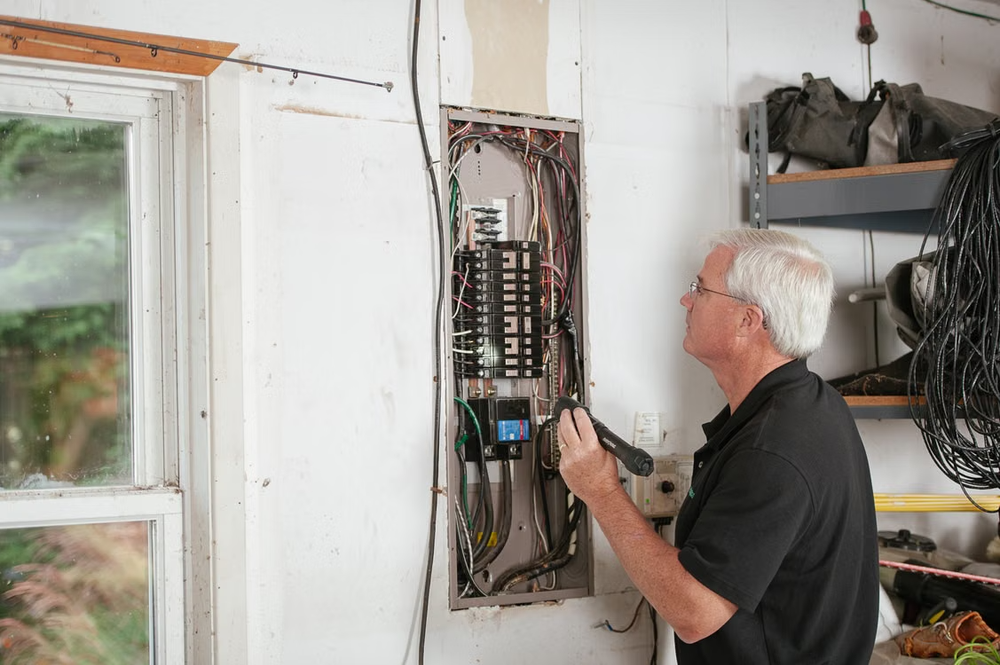
A loose power point or repeatedly tripping safety switch can tempt a capable homeowner to reach for the toolbox. Electrical faults, however, can expose you to shock, burns and house fires without giving an obvious warning first. Safe home maintenance depends on recognising where ordinary upkeep ends and licensed electrical work begins. That boundary protects your family, your property and anyone who may work on the home later.
The Allure of Self-Reliance
DIY maintenance can save money and give you a useful understanding of how your home works. Learning mechanical self-reliance also builds confidence when handling straightforward jobs such as tightening furniture, clearing gutters or replacing tap washers.
That confidence can become misleading around electricity. A quick online video may show the physical steps, but it can’t assess hidden cable damage, overloaded circuits or previous work behind your walls. Electrical systems also remain hazardous when a fitting appears inactive. Treat unusual heat, buzzing sounds and burning smells as warnings, not invitations to investigate with household tools.
Simple Fixes Versus High-Risk Tasks
Safe, simple jobs include replacing a light globe after switching the fitting off, testing smoke alarms according to the manufacturer’s instructions and changing batteries in portable devices. You can also check appliance leads visually without opening plugs or covers.
Work involving fixed wiring, switchboards, power points or ceiling fittings requires a licensed professional because mistakes can create hazards that remain hidden behind walls or inside electrical components. Even if a fault appears minor, attempting a repair without the right training can increase the risk of electric shock, fire or damage to the installation. When electrical work is needed, a licensed electrician can assess the problem, carry out the appropriate repairs or installation, and check that the work meets applicable safety requirements. Leave the affected fitting alone rather than removing covers or touching exposed components.
Knowing When to Call an Electrician
Arrange professional help when a safety switch trips repeatedly, lights flicker across several rooms, or a power point feels warm. Other urgent warning signs include crackling, scorch marks, sparks and any tingling sensation from a switch or appliance. Stop using the affected area and keep other household members away from it.
Damaged insulation deserves the same caution. These signs that frayed wiring needs attention explain why delaying repairs can allow a manageable problem to grow. During a blackout or suspected fault, unplug appliances only when you can do so safely. Never touch electrical equipment near water, and call emergency services if there is smoke, fire or an immediate threat to someone’s safety.
Preventing Avoidable Household Trauma
Prevention starts with simple observation. Once a month, look for damaged leads, discoloured power points and appliances that run unusually hot. Follow the test instructions printed on your safety switch and smoke alarms, and replace damaged extension leads instead of repairing them with tape. Keep leads away from wet areas, doorways and places where furniture can crush them.
Avoid overloading adaptors with several high-demand appliances. If your household relies on numerous power boards because there aren’t enough outlets, ask a licensed professional to assess the installation. Keep electrical inspection records with your home documents, especially after renovations or storm damage.
Most importantly, teach children not to insert objects into outlets or pull plugs out by their cords. A warm socket, persistent buzzing noise or recurring trip is enough reason to stop using that circuit and have it checked before normal household activity resumes.
Image Credit: Pexels