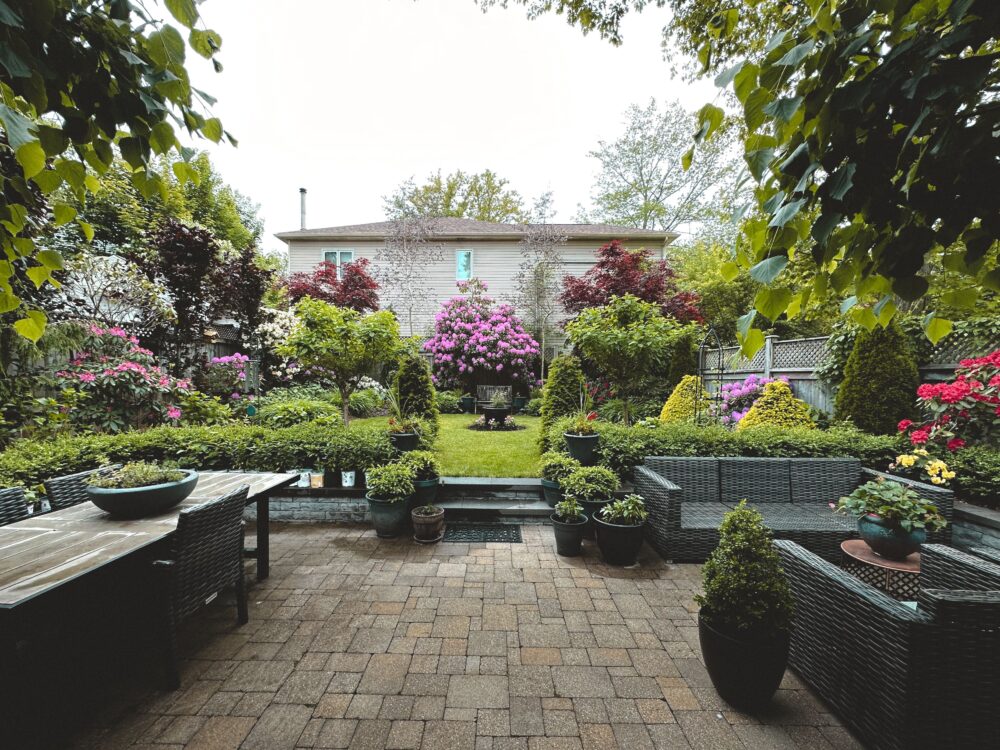
A successful outdoor project starts with a clear strategy that connects your daily needs, property conditions and available budget. Without that foundation, it’s easy to spend money on plants or features that don’t work well together. A thoughtful plan helps you create an outdoor space that feels welcoming, handles regular use and remains manageable through changing seasons. The process begins long before any digging or planting takes place.
Define Your Vision
Write down how you want to use the space before choosing materials or plants. You might need a shaded dining area, an open lawn for children or a quiet corner for reading. Give each priority a specific place in your plan.
A clear strategic vision provides a useful model for this process because it connects long-term goals with practical choices. Collect a few reference photos, then identify the details you consistently like, such as curved paths, natural colors or structured planting beds. Limit your main goals to three so the finished yard doesn’t feel crowded or disconnected.
Assess Your Resources
Measure the site and note existing features, including mature trees, slopes, drainage paths and utility access. Watch the yard at different times of day to see where sunlight and shade fall. These observations can prevent costly mistakes, such as placing a patio in a low area where water collects.
Next, establish a working budget and decide which tasks fit your skills. Small planting projects may be manageable over a weekend, while grading, retaining walls and drainage work often call for specialized knowledge. For Santa Cruz homeowners weighing both routes, the case for a professional landscaper explains where expert design and construction support can add value. A basic strategic planning process can also help you match goals to time, money and labor.
Design for Durability and Beauty
Choose materials based on exposure, maintenance needs and expected traffic. A path used every day needs a stable base and slip-resistant surface, while a decorative border can use lighter materials. Place frequently used features close to the house and keep service areas easy to reach.
Plants should suit the site’s sunlight, soil and typical moisture levels. Grouping varieties with similar watering needs makes irrigation simpler and reduces waste. Layer plants by height so taller shrubs frame the space without blocking smaller selections. For compact properties, these small-yard design tricks offer useful ideas for improving sightlines and creating a greater sense of depth.
Execution: From Plan to Reality
Create a realistic work sequence before ordering materials. Complete grading, drainage and underground utility work first. Hard surfaces, walls and edging come next, followed by soil preparation, irrigation and planting. This order protects finished areas from unnecessary damage.
Break a large project into phases if the cost or schedule feels difficult to manage. For example, you might complete drainage and a patio in the first phase, then add planting beds the following season. Order about 5 to 10 percent more paving material than your measurements require to account for cuts or occasional damaged pieces. Keep receipts, plant labels and product details together so replacements and warranty questions are easier to handle later.
Long-Term Maintenance Plans
Build a seasonal care calendar while the project details are still fresh. Record watering schedules, pruning periods, fertilizer needs and surface-cleaning tasks. New plants usually need closer attention during their first growing season, even when the mature garden is designed for low maintenance.
Inspect drainage routes after heavy rain and correct minor pooling before it affects nearby surfaces or planting beds. Once or twice a year, check edging, joints, steps and walls for movement. Replace failed plants only after identifying the cause, which may be poor drainage, unsuitable light or inconsistent watering.
A well-planned yard should become easier to care for as it matures. When every feature has a clear purpose and maintenance requirement, your outdoor space can stay attractive without consuming every free weekend.