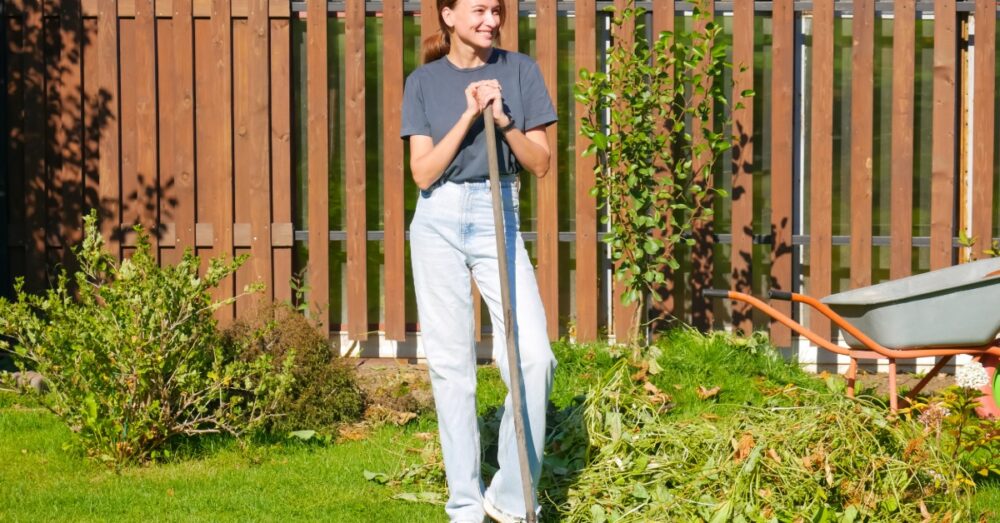
A backyard can change right along with the people who use it. One season of life might mean keeping a lawn ready for kids, pets, and weekend gatherings. Later, the same space may become somewhere quieter for gardening, relaxing, entertaining friends, or simply enjoying a cup of coffee outside.
Whatever the backyard looks like, keeping it comfortable and functional requires more than mowing the grass occasionally. A good backyard maintenance plan accounts for the entire outdoor space, including landscaping, hard surfaces, drainage, equipment, and recreational features. Breaking those responsibilities into manageable categories makes it easier to maintain the yard without feeling as though every free weekend has turned into a workday.
Start With the Lawn and Landscaping
For homes with grass, mowing is usually the most visible maintenance job, but it is only one piece of lawn care. The schedule may also include edging, watering, fertilizing, controlling weeds, aerating, and addressing bare or unhealthy patches.
Avoid assuming the lawn needs exactly the same treatment every month. Grass growth and watering requirements change with the seasons and local climate. Periodically checking irrigation systems for leaks, clogged sprinkler heads, and poorly covered areas can also prevent unnecessary water use.
Trees and shrubs need their own routine. Watch for dead or damaged branches, plants growing too close to the house, and shrubs blocking walkways or outdoor equipment. Larger branches or trees near structures and utility lines may require professional attention rather than a DIY trim.
Give Garden Beds Regular Attention
Garden beds are easier to manage when small jobs happen consistently. Pulling a few weeds regularly is considerably less intimidating than reclaiming an overgrown bed halfway through summer.
Maintenance can include refreshing mulch, removing dead plant material, dividing crowded perennials, pruning appropriate plants, and replacing annuals as the seasons change. Mulch is especially useful because it can help moderate soil temperatures, retain moisture, and suppress weeds.
This is also an opportunity to reconsider how much gardening fits the household’s current lifestyle. Someone traveling frequently or enjoying a newly empty nest may decide that lower-maintenance native or perennial plants make more sense than flower beds requiring constant attention.
Keep Patios, Decks, and Walkways in Good Condition
Hardscaping often fades into the background until something goes wrong. Include patios, decks, steps, retaining walls, and walkways in regular backyard inspections.
Sweep away leaves and debris, remove organic buildup when necessary, and look for cracks, loose boards, unstable pavers, protruding fasteners, or other developing problems. Wood decks may also require periodic cleaning and refinishing depending on their material, age, climate, and exposure. Pay particular attention to walking surfaces; a slightly uneven paver might seem like a cosmetic issue until someone trips over it during a backyard gathering.
Outdoor furniture deserves similar attention. Clean pieces according to the manufacturer’s recommendations, check for loose hardware, and store cushions or seasonal furniture when appropriate. A little preventive care helps outdoor furnishings last longer.
Include the Pool in the Routine
If the backyard has a swimming pool, it needs its own recurring maintenance schedule rather than simply being added to the occasional cleaning list. Routine pool care involves removing debris, brushing surfaces, monitoring water chemistry, checking filtration and circulation, and watching equipment for unusual changes. Weather, surrounding landscaping, and how frequently the pool is used all influence how much attention it needs.
Pool owners also need to decide which responsibilities they are comfortable handling themselves. Understanding the differences between DIY and professional pool cleaning can help clarify the time, supplies, water-testing knowledge, and consistency involved in each approach. Someone who enjoys hands-on home maintenance may prefer doing routine work independently, while frequent travelers or busy homeowners might value scheduled professional care.
Either way, consistency matters. Pool maintenance is much easier to manage when water conditions and equipment are monitored regularly instead of waiting until the water looks noticeably different.
Don’t Forget Drainage and Water Management
Some of the most important backyard features are the ones homeowners rarely think about on sunny days. During or shortly after heavy rain, look at how water moves through the property.
Check gutters and downspout outlets near backyard areas, drains, grading, and spots where water repeatedly pools. Standing water can create muddy areas and may signal that drainage deserves closer attention.
Irrigation belongs in this category, too. Inspect hoses, outdoor faucets, drip lines, and sprinkler systems periodically for leaks and damage. Seasonal climates may also require outdoor plumbing and irrigation components to be prepared for freezing temperatures.
Check Fences, Gates, and Outdoor Structures
Fences and gates provide privacy, security, and definition, but exposure to weather takes a toll. Walk the perimeter occasionally and check for loose boards, damaged panels, rusting hardware, leaning posts, and gates that no longer close properly.
Sheds, pergolas, gazebos, play structures, and other outdoor features should also make the list. Look for signs of moisture damage, pests, corrosion, loose hardware, or structural deterioration.
If children no longer use an old playset or a large structure has become more work than enjoyment, maintenance time can become a reason to rethink the space. A backyard does not have to remain frozen in the stage of life when it was first designed.
Make Room for Seasonal Tasks
Not every backyard chore needs to happen every week. Dividing responsibilities into weekly, monthly, and seasonal categories makes maintenance much more approachable.
Spring might involve cleaning outdoor furniture, preparing garden beds, inspecting irrigation, and checking for winter damage. Summer generally brings more frequent mowing, watering, pool care, and weeding. Fall may mean leaf cleanup, pruning appropriate plants, cleaning gutters, and preparing equipment for colder weather. In colder regions, winter preparation can include protecting outdoor plumbing, storing furniture, and winterizing certain systems.
Seasonal transitions are also good times to inspect tools. Sharpening, cleaning, repairing, or replacing equipment before it is urgently needed prevents frustrating delays later.
Build a Backyard Routine That Fits Your Life
The most effective backyard maintenance plan is not necessarily the one with the longest checklist. It is the one that realistically fits the property, climate, available time, and way the household currently uses the space. Consider separating jobs into three groups: simple tasks worth handling regularly, occasional projects that can be scheduled in advance, and specialized work better left to professionals.
That flexibility becomes especially valuable during life transitions. With children moving out, work becoming more flexible, or travel taking up more of the calendar, maintaining a backyard exactly as it was managed years ago may no longer make sense. Simplifying garden beds, automating irrigation, reducing lawn areas, or getting help with more technical maintenance frees up time without neglecting the property.
Ultimately, backyard care should support the life happening around it. With a thoughtful routine covering landscaping, outdoor surfaces, water management, recreational features, and seasonal needs, the backyard can remain a place to enjoy rather than an endless list of chores.